Fresh ideas from museums around the globe in your inbox each week


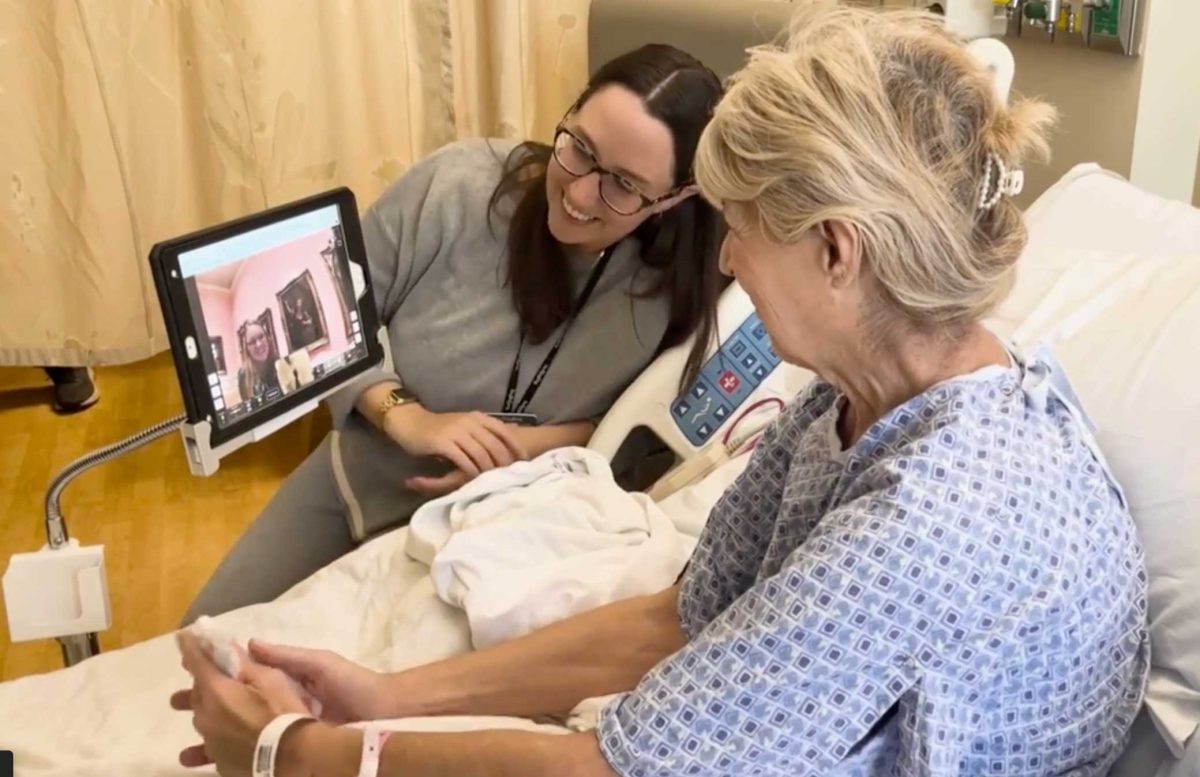
At The Ringling in Sarasota, Florida, a groundbreaking initiative is reshaping how museums engage with their communities and extend the benefits of art beyond their physical walls. Through a partnership with Sarasota Memorial Healthcare System (SMH), The Ringling has developed the Robot Tour Program, an innovative model that brings art to hospital patients via a telepresence robot named Artie.
This initiative is a practical case study in how museums can leverage technology and partnerships to fulfill their mission in new and impactful ways. For museum professionals, the Robot Tour Program offers valuable lessons on blending art, technology, and healthcare to create meaningful experiences.
A Vision for Collaboration
The Robot Tour Program is the product of collaboration between The Ringling’s education team and SMH’s integrative care division. Originally piloted in the orthopedics wing, the program quickly gained traction due to its positive impact on patients’ post-surgery recovery. Artie, the telepresence robot, became a bridge between hospital beds and gallery spaces, providing patients with immersive and interactive art experiences that alleviated symptoms like pain, anxiety, and nausea.
For museum professionals, this partnership highlights the importance of aligning museum resources with community needs. By working with healthcare providers, The Ringling identified a gap where their expertise in art interpretation could make a tangible difference.
Artie: A Practical Telepresence Solution
Artie, developed by OhmniLabs, was chosen for its user-friendly design and robust functionality. Key features include:
- Mobility: Lightweight and easy to maneuver through galleries, Artie ensures smooth navigation for guides and participants.
- Accessibility: A 4K camera with 360-degree rotation allows participants to explore the galleries from a first-person perspective.
- Communication: A built-in tablet and conference speaker enable clear audio-visual interactions between patients and museum educators.
For museum professionals considering telepresence technology, Artie exemplifies how accessibility, functionality, and user experience should guide equipment selection. Choosing technology that caters to both the facilitator and the participant ensures the program remains engaging and scalable.
Designing for Patient-Centered Engagement
Central to the success of the Robot Tour Program is its patient-centered design. The tours are built around Visual Thinking Strategies (VTS), an open-ended method that invites participants to interpret and discuss artworks using three guiding questions:
- What’s going on in this artwork?
- What do you see that makes you say that?
- What more can we find?
By focusing on observation and interpretation rather than art history or technical details, the tours become accessible to participants of all backgrounds. This approach removes barriers to engagement, fostering a sense of ownership and personal connection to the art.
Museum professionals can apply this principle to any outreach program: prioritize methods that empower participants and create space for their voices, rather than prescribing interpretations.
Integrating Art into Holistic Care
The Robot Tour Program aligns with SMH’s integrative care philosophy, which emphasizes treating patients holistically—mind, body, and spirit. Incorporating non-pharmacological interventions like art tours addresses joint commission guidelines while improving patient experiences and outcomes.
For museums, this underscores the potential of art as a tool for well-being. By framing art engagement as a complement to medical treatment, museums can demonstrate their value in addressing societal challenges beyond traditional cultural education.
Scaling Impact: Other Arts and Health Programs
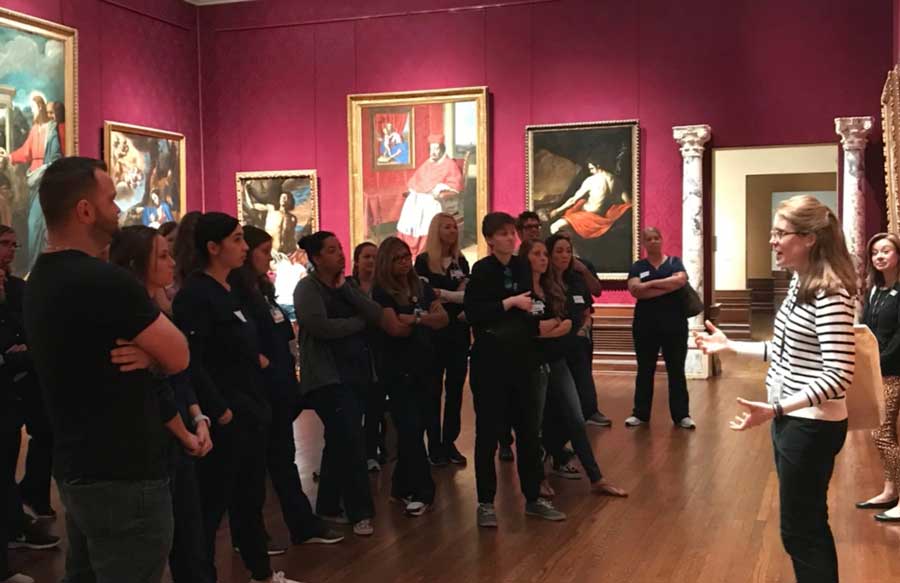
The Robot Tour Program is one part of a broader suite of arts and health initiatives at The Ringling. These programs offer museum professionals a blueprint for extending the museum’s reach and impact through strategic partnerships.
- Burnout Prevention for Healthcare Providers
A three-part program focuses on using art to combat burnout among healthcare professionals. Combining on-site, virtual, and hospital-based sessions, this initiative emphasizes self-awareness, cultural humility, and mindfulness. - Nurse Residents Program
Monthly sessions for newly graduated nurses aim to enhance observational skills, improve communication, and foster empathy. These skills translate directly into better patient outcomes and professional resilience. - Medical Student Programs
By introducing medical students to art as a tool for relaxation and reflection, this program addresses the risks of fatigue and burnout early in their careers. - Memory Loss Programs
A monthly tour for older adults with memory loss and their caregivers provides a supportive and calming experience, demonstrating the museum’s role in creating inclusive, accessible spaces.
Each of these programs reinforces the value of arts and health initiatives and highlights how museums can adapt their expertise to meet diverse community needs.
Key Takeaways for Museum Professionals
The success of The Ringling’s Robot Tour Program offers actionable insights for museum professionals:
- Collaborate Across Sectors: Partnering with organizations outside the cultural sector, such as healthcare providers, can unlock new opportunities for museums to serve their communities.
- Leverage Technology Thoughtfully: When adopting technology like telepresence robots, prioritize usability and accessibility to ensure programs are inclusive and impactful.
- Focus on Participant Experience: Design programs around the needs and preferences of participants, using methods like VTS to foster engagement and dialogue.
- Expand Definitions of Impact: Museums can play a vital role in health and well-being by offering programs that address emotional, mental, and physical challenges.
The Broader Implications
For museums worldwide, The Ringling’s work serves as a powerful example of how cultural institutions can redefine their purpose. By stepping beyond traditional roles and embracing community-centric missions, museums can become indispensable resources in addressing modern societal challenges.
Arts and health programs are not just about bringing art to new audiences; they are about reimagining the museum as a dynamic, responsive institution that contributes to the holistic well-being of its community. The Ringling’s Robot Tour Program demonstrates how museums can remain relevant, impactful, and innovative in a rapidly changing world.
For museum professionals looking to adapt similar practices, the key is to start small, seek strong community partnerships, and always prioritize the human element in every initiative. The future of museums lies in their ability to extend their reach and redefine their role as agents of change.