Fresh ideas from museums around the globe in your inbox each week

July 13 2024
 By Jim Richardson

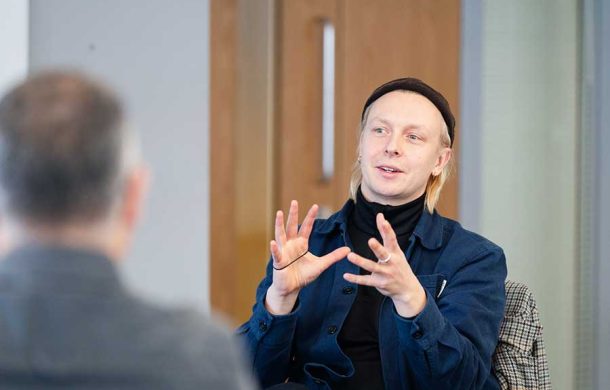
In their 2024 MuseumNext presentation, Nancy Proctor, Jeffrey Kent and Andie Townsend described The Peale’s Accomplished Arts Apprenticeships (AAA) programme. It combined paid practical work with training and support for young people entering the cultural sector.
A Building with a Teaching History
Proctor traced the building’s history from its opening in 1814 through its later use as Baltimore’s City Hall and a school for Black students. She also discussed silhouette artist Moses Williams, whom she described as probably the first Black museum professional in the United States.
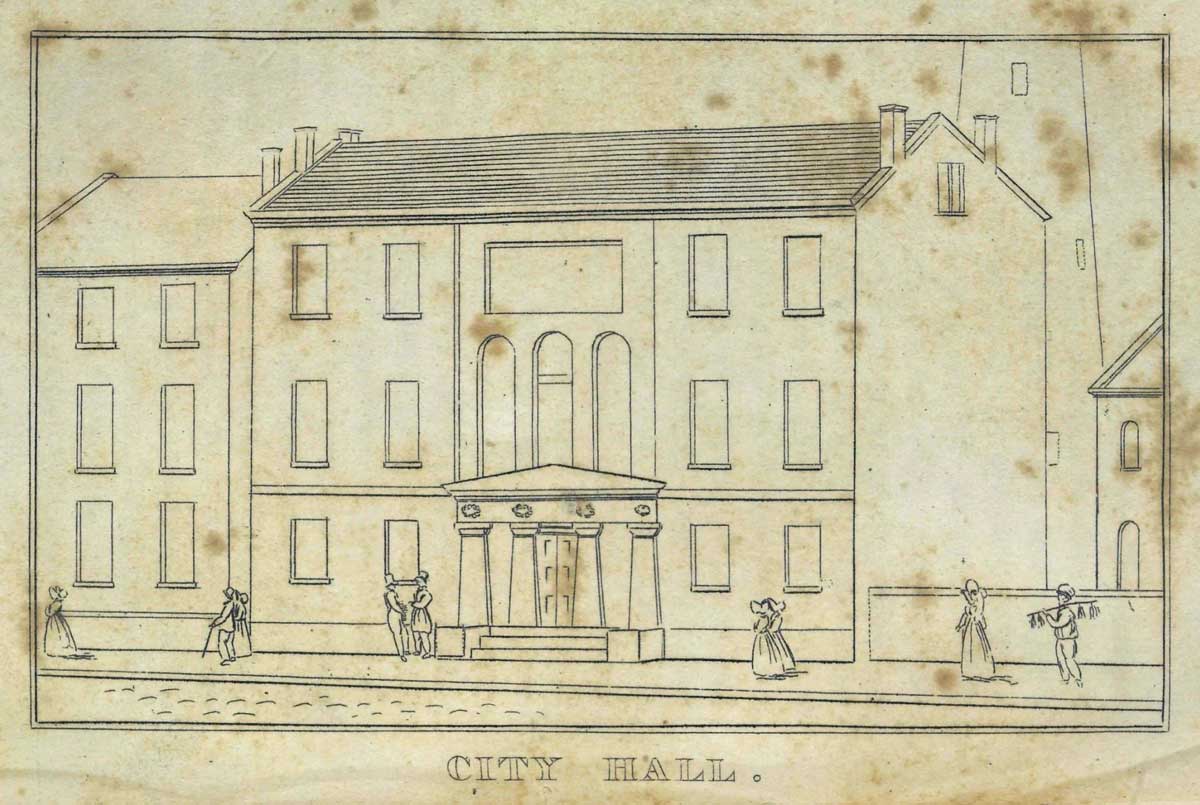
The building later housed Baltimore’s Municipal Museum. After its closure in 1997, volunteers worked to save and restore it, and The Peale reopened as Baltimore’s Community Museum in 2022.
A Teaching Museum for the Community
Today, The Peale stands as a beacon of education and cultural innovation, dedicated to preserving Baltimore’s rich heritage and empowering its storytellers. In 2020, The Peale launched a transformative workforce development programme. This initiative teaches young people and returning citizens from marginalized neighborhoods essential skills in historic preservation and exhibition preparation, opening doors to high-paying, creative careers that don’t require a college degree.
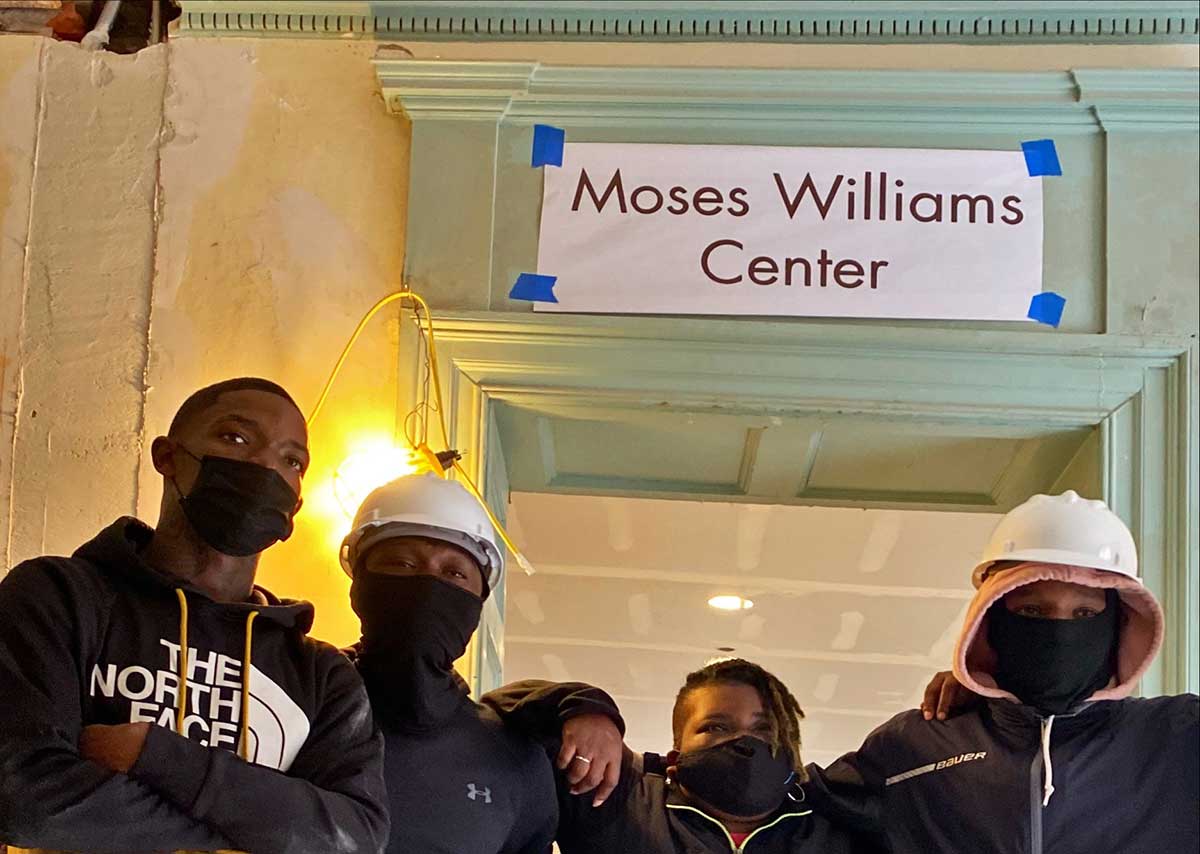
The programme operates out of the Moses Williams Centre, named in honor of the pioneering silhouette artist. The parallels between Williams’ story and the entrepreneurial spirit of the programme’s participants underscore the transformative impact of this initiative. Despite systemic challenges, these young individuals are forging impactful careers, supported by The Peale’s commitment to their development.
Hands-On Museum Apprenticeships
The Accomplished Arts Apprenticeships (AAA) programme exemplifies The Peale’s dedication to hands-on, practical education. Participants work on projects both within The Peale and at other historic sites around Baltimore, such as the First and Franklin Church, known for its long-standing ministry to the LGBTQ+ community. Apprentices learn skills like masonry repair and historic window renovation, gaining valuable experience while contributing to the preservation of significant cultural landmarks.
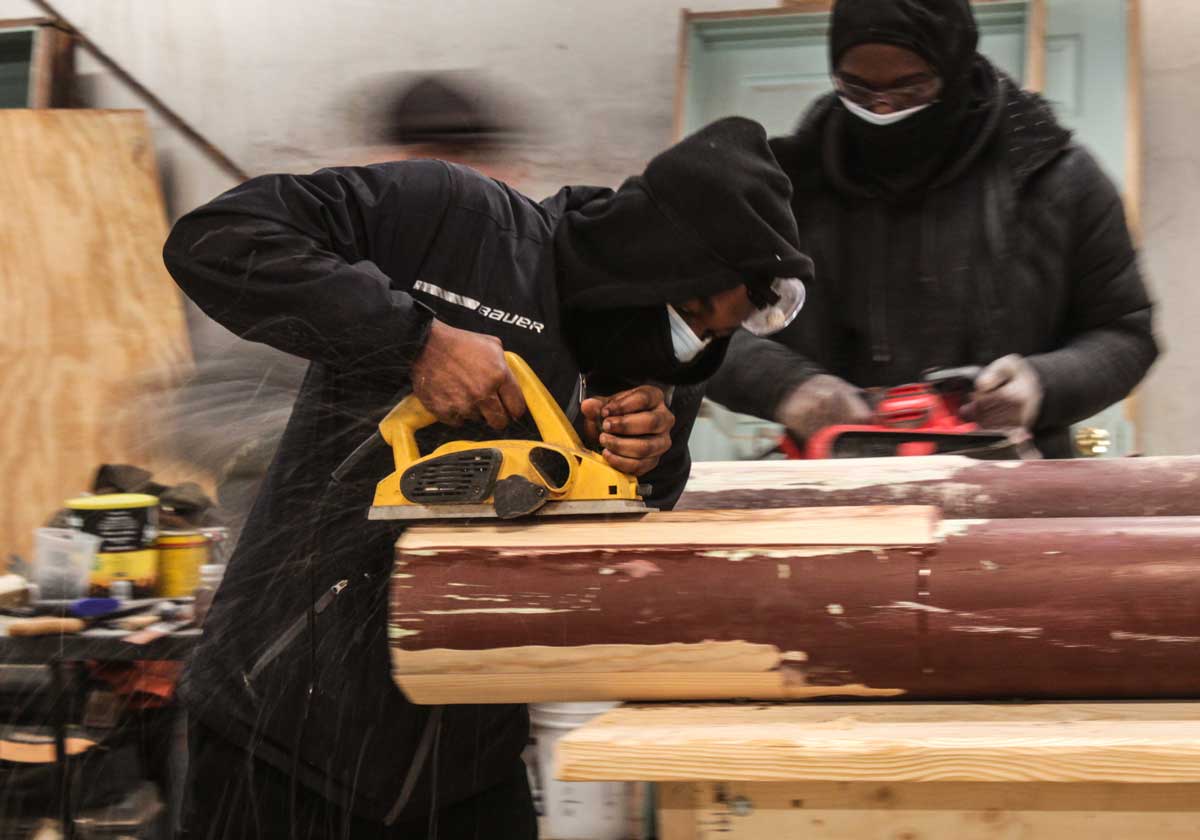
Ronald Phillips, an apprentice on the programme, described the work as an art form, blending creativity with technical skills under the guidance of experienced trainers. Ronald notes, “If it wasn’t for this programme, this wouldn’t be possible. It’s given us new obstacles and goals to reach. We never knew we could do this.”
Life Skills and Financial Literacy
The AAA programme goes beyond technical training to include essential life skills and financial literacy. Programme manager Andie Townsend emphasizes the importance of communication, teamwork, and financial management. These skills are crucial for the apprentices’ future success, whether they choose to work independently or start their own businesses. The programme’s comprehensive approach ensures that participants are well-prepared for both professional and personal challenges.
Transformative Impact on the Community
The investment in these young individuals is significant, but the returns are evident in their growth and achievements. The Peale, supported by the Baltimore National Heritage Area, provides wraparound services and a living wage, creating a supportive environment where apprentices can thrive.
Jeffrey Kent, a Baltimore-based artist and curator in residence at The Peale, underscores the importance of these programmes in diversifying the museum workforce. “Partner with professionals in the area of museum installation and curation,” he advises other museums. “Reach out to the community and start a programme where you’re teaching people how to do this work that will add diversity to this whole system of museum culture.”
What Other Museums Can Learn
The programme described at MuseumNext ran for 26 weeks, combining real exhibition and building work with communication, teamwork and financial-literacy sessions. Apprentices worked alongside experienced practitioners and could see their skills develop through the work they completed. Paying a living wage and providing wraparound support were substantial costs. For another museum, finding the training partners and funding that support is part of designing the programme from the outset.
The New Zealand Police Museum’s youth project offers an account of building relationships through repeated visits, play and reciprocal learning.

About the author – Jim Richardson
Jim Richardson is the founder of MuseumNext. He has worked with the museum sector on digital and innovation projects for more than twenty years and now spends his time championing best practice through MuseumNext.