Fresh ideas from museums around the globe in your inbox each week

Virtual reality in museums faces significant challenges including high costs, technical issues, user discomfort, potential to reduce physical visits, and limited social interaction. While it can enhance accessibility and engagement, VR may distract from core exhibits and presents health and safety concerns. Balancing VR’s benefits with traditional experiences is crucial.

Introduction
Virtual reality (VR) has been increasingly adopted by museums to create immersive and engaging experiences for visitors. While VR offers several benefits, such as enhanced accessibility and novel ways to experience exhibits, there are some disadvantages to the technology that museums must consider.
Budgeting beyond the headset purchase
One of the primary disadvantages of VR in museums is the significant technical and logistical challenges involved. VR systems require substantial investment in hardware and software, as well as ongoing maintenance and technical support. This can be prohibitively expensive, particularly for smaller institutions with limited budgets. Additionally, setting up VR experiences often demands specialized knowledge, making it necessary to hire or train staff, further increasing costs.
Want more insights like this? Explore our upcoming virtual conferences here
Planning comfort, access and session capacity
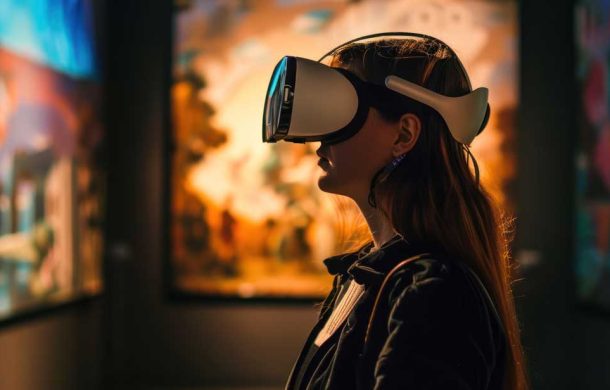
Despite VR’s potential to make museums more accessible, it can also present barriers. Not all visitors are comfortable using VR technology, and some may find VR headsets cumbersome or disorienting. Issues such as motion sickness and the physical discomfort of wearing headsets can detract from the experience, especially for older adults or individuals with disabilities. Furthermore, the need for high-end equipment can limit the number of simultaneous users, creating bottlenecks and reducing the overall accessibility of the exhibits.
Distraction from Core Content
There is a concern that VR may distract visitors from the actual artifacts and exhibits. When the technology becomes the focal point, it can overshadow the educational and cultural value of the museum’s collections. Critics argue that VR should complement rather than replace traditional exhibits, ensuring that the technology enhances the storytelling without becoming a mere gimmick. For instance, poorly implemented VR experiences can feel superficial, offering little depth or additional insight into the exhibits they are supposed to enhance.
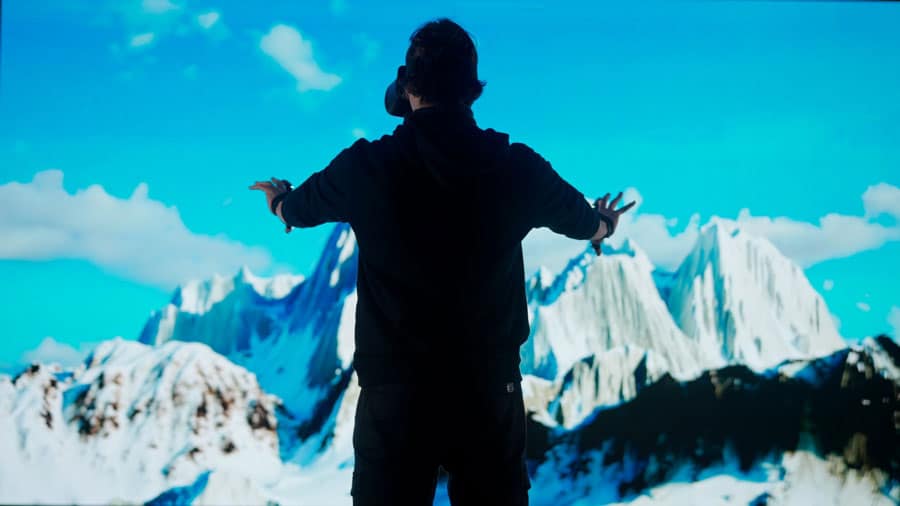
Testing how remote VR supports a museum visit
Another disadvantage is the potential for VR to reduce the number of physical visits to museums. If visitors can experience exhibits virtually from the comfort of their homes, they might be less inclined to visit in person. This could impact museums financially, as they rely on ticket sales and on-site purchases for revenue. Although VR can serve as a powerful marketing tool to entice people to visit, it also poses the risk of making physical visits seem unnecessary.
Put these ideas into practice! Our virtual conferences are designed to help museum professionals do exactly that. Find out what’s on
Keeping companions involved
The social and interactive aspects of visiting a museum are difficult to replicate in a virtual environment. Museums are not just about viewing exhibits; they are also about the shared experience, the conversations, and the spontaneous interactions that occur. VR can create isolated experiences, where each visitor is engrossed in their virtual world, potentially reducing opportunities for social engagement and collective learning.
Complexity and User Experience
Creating a seamless and intuitive VR experience is complex. Museums must ensure that their VR setups are user-friendly, but achieving this can be challenging. If the technology is difficult to use or the interface is not intuitive, it can frustrate visitors rather than engage them. Museums must invest in extensive user testing and design iterations to ensure that the VR experience is smooth and accessible to a wide audience.
Health and Safety Concerns
There are also health and safety concerns associated with the prolonged use of VR. Issues such as eye strain, headaches, and physical discomfort from wearing headsets are common complaints. Ensuring that VR stations are regularly sanitized and that visitors are informed about potential health risks is essential, especially in a post-pandemic world where hygiene has become a significant concern.
Planning the whole visitor journey
The design choices in MuseumNext’s case studies help turn broad concerns into planning questions. At Intrepid, timed sessions and screens for companions addressed the experience around the headset. At 1238 in Iceland, the number of booths and guests per hour shaped how groups could take part. A museum assessing VR can use such examples to map the whole visit: arrival, instructions, participation, cleaning, support and rejoining companions. Remote access raises a separate question. Its effect on physical visits should be evaluated for the museum’s own audience rather than assumed to be a loss of attendance.
Read Intrepid’s approach to timed VR sessions and 1238’s group VR experience for more on those operating decisions.
Our virtual conferences are one of the most affordable ways to stay at the forefront of museum practice. Explore our upcoming events here