Fresh ideas from museums around the globe in your inbox each week

October 27 2019
 By Manuel Charr
A 2019 survey commissioned by Ecclesiastical, an insurance firm specialising in heritage sites, and conducted by Censuswide explored families’ experiences of museums, galleries, theatres, stately homes and castles. The findings reported here concern responding families’ experiences across those venues. The original survey tables are needed to establish the response base for each percentage, so the figures should not be treated as estimates for all museum visitors.
The 2019 account reported that 29 per cent of respondents to the organisation’s survey – which was conducted for them by Censuswide – said that museums, galleries, theatres, stately homes and castles were not open to their additional needs as visitors. The reported barriers included unwelcoming interactions and difficulties with visitor facilities.
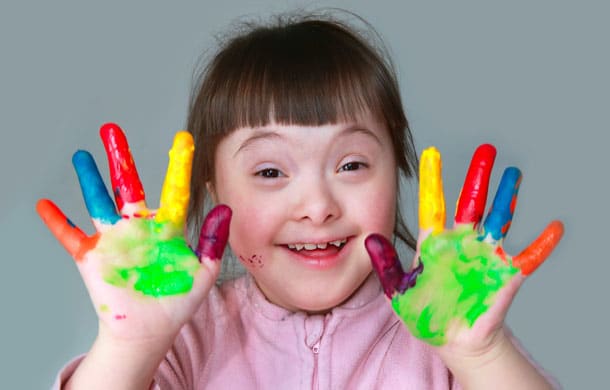
The survey raised questions about how families experience staff attitudes and visitor facilities. The account also reported that 13 per cent of parents of children without any special needs requirements said that they had experienced similarly unwelcoming attitudes and facilities.
Survey Participants
The report described an overall sample of 2,000 parents of children under 16, including a subgroup of at least 220 parents of children with additional needs. The overall sample and this subgroup are different response bases; sample size alone does not establish representativeness. According to the survey’s findings, it was this group that was the least satisfied by museums and other institutions in the UK’s heritage industry. However, the survey also reported that in excess of two-fifths of such families thought that either staff or other visitors to these centres were unfriendly, making them feel uncomfortable, let alone unwelcomed. Indeed, as many as 42 per cent of the survey’s sample group agreed that this had been their experience. By comparison, around a fifth – 22 per cent, to be precise – of the survey’s respondents with kids who do not have special needs said they felt the same.

According to Ecclesiastical’s report, the heritage industry is failing both sets of parents to some extent with those who have children with special or additional needs feeling particularly let down. In fact, the stately home sub-sector came in for especially high levels of criticism in the report. Almost half of the parents of special needs children who took part in the survey reported that Britain’s stately homes are not doing enough to meet their needs. Public art galleries were the next most criticised type of institution with 46 per cent of parents with children who have special needs saying that they are not sufficiently well catered for. This was closely followed by castles which saw a similar proportion of negativity.
Suggestions for Improvement
The report went further than simply offering criticism for an under-catered for group. Something like half of the interviewees who took part in the study said that heritage organisations and other public institutions could do better by creating designated areas for children with special needs, for example. In addition, a similar number of parents said that they thought that operators in the sector should provide quiet as well as loud times for visiting so that children with special needs would be able to enjoy them more.
There were other ideas that respondents to the survey also put forward as a way of making them feel more welcome. For example, 36 per cent of parents with children who have special needs declared that the chance to queue jump in certain situations would improve their visitor experience. Just under this proportion – 33 per cent – said that the introduction of accessible toilets and better changing facilities would help them to support their children’s needs while visiting (read more here about Making the Museum Autism Friendly).
Becki Morris, who is a director at the Disability Collaborative Network, said that she acknowledged the points made in the report. She commented on the survey by stating that she thought it was crucial for institutions in the heritage museum sector to recognise the sort of barriers many families face in relation to visits. “To progress as a sector,” she said, “We must make sure that the voices of disabled and neuro-divergent people are heard.” Morris went on to add that more can be done to highlight the good work that is being done and to raise the profile of it so that others can find similar solutions more rapidly. Ecclesiastical echoed her sentiment, stating that more needs to be done to encourage parents to visit what are some truly incredible places in the country with children of all needs.
Related reading: The guide to museum access for blind and partially sighted visitors considers touch, description and the information people need before a visit.
Related reading: Poverty Proofing Museums asks practical questions about the costs and pressures that can make a visit difficult.


About the author – Manuel Charr
Manuel Charr is a journalist working in the arts and cultural sectors. With a background in marketing, Manuel is drawn to arts organizations which are prepared to try inventive ways to reach new audiences.


