Fresh ideas from museums around the globe in your inbox each week
Day One: 27 April 2027
All times are GMT (The time in London)
12:00 (GMT)
A Cross-Sector Collaboration for Emotional Resilience in the Museum
veryone has had a bad day. Can art and museums provide a healing space?
Launched in Hong Kong, ‘bad day x M+’ (2026) is a pioneering partnership between the museum and social service sectors. By combining art experiences with M+’s wellbeing-focused pedagogy and the mental health expertise of Caritas – Hong Kong, the programme brings preventive mental health care to the public. It aims to increase emotional awareness and normalise setbacks as part of everyday life.
Through emotionally focused guided tours, reflective art-making workshops and an interactive self-care space, the programme transforms the museum into a restorative environment that sparks authentic, everyday conversations around mental health.
Speakers
12:30 (GMT)
Open up with Vincent – Mental Health in the Van Gogh Museum
In 2022, two education curators from the Van Gogh Museum presented their plans for a mental health programme at the MuseumNext Health & Well-Being Summit. They began with small-scale pilots, including mindful art-viewing sessions, with the aim of expanding their offer. So what became of those plans? Four years on, they return to share the challenges they faced and the successes they achieved along the way.


13:00 (GMT)
How Are You? Co-Creating a Mental Health Exhibition
What happens when a museum starts by listening?
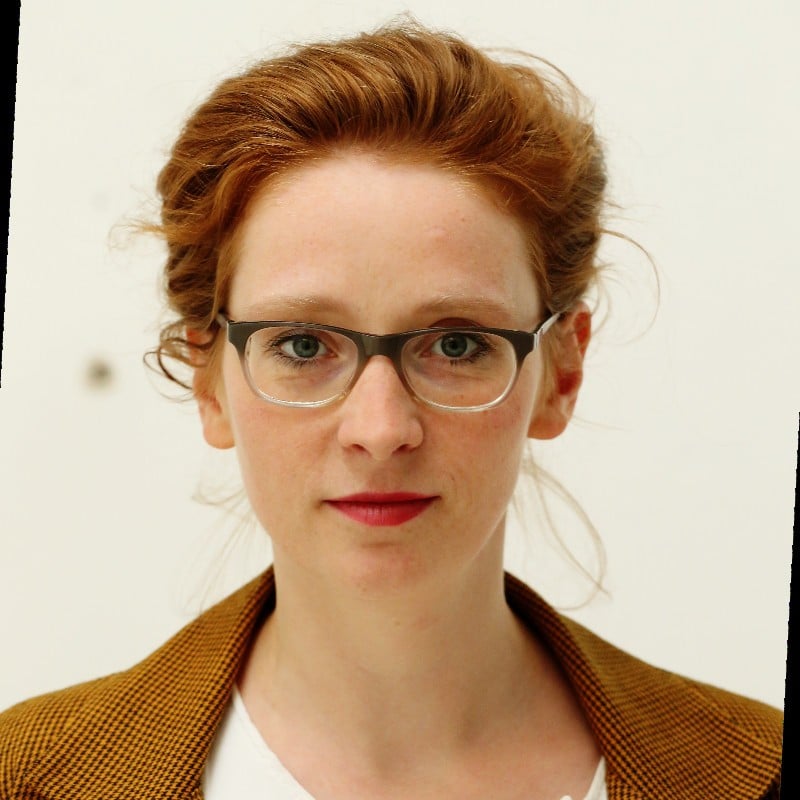
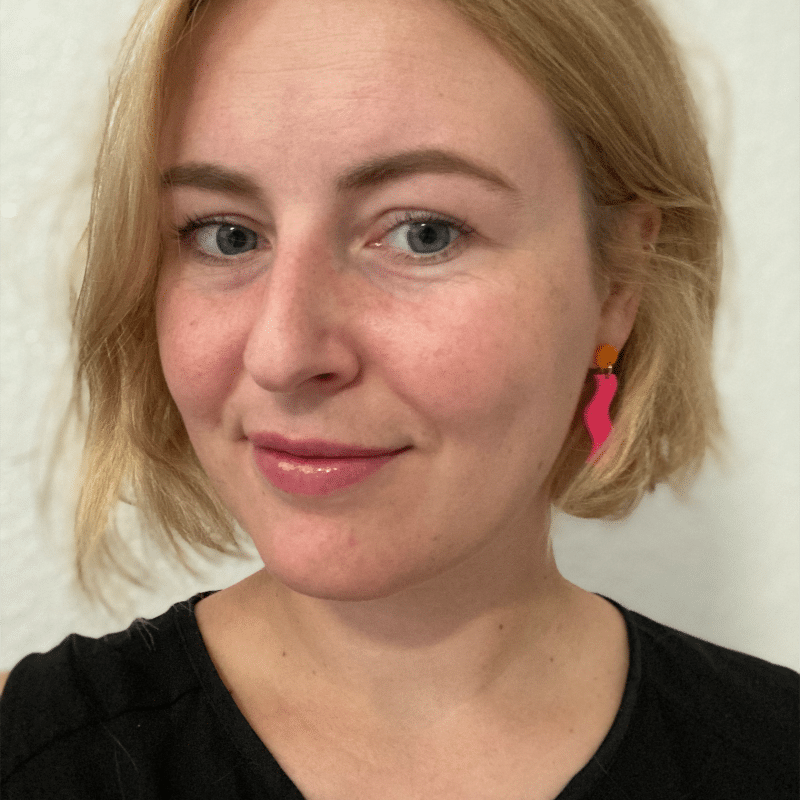
“Wie geht’s?” is our exhibition on mental health, co-created with twelve experts by experience. Instead of speaking about wellbeing, we began by listening to the people who live with it: to their feelings, stories, struggles and experiences. That practice shaped the exhibition and everything around it, from sensory kits and a quiet room to monthly silent hours. This is a candid case study of listening as a method: what visitors told us, what our evaluation showed, what went wrong, and what it takes to turn what we hear into lasting change in how a museum works.
13:30 (GMT)
Threads of Connection: Museums as Places of Care
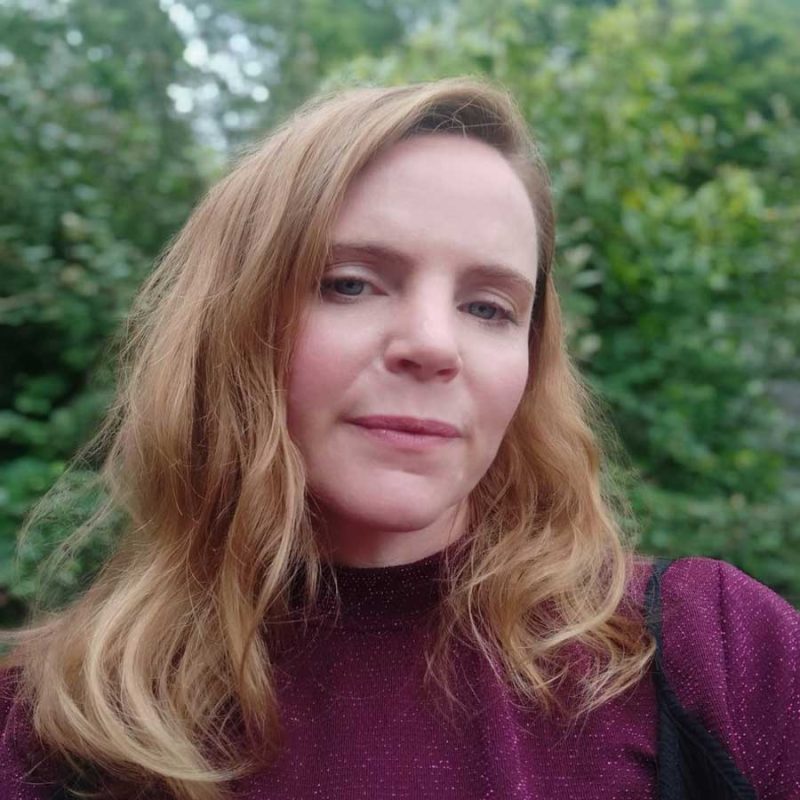
What happens when a museum relationship is built slowly, creatively and over several years? Threads of Connection brought people experiencing mental health challenges together with Norwich’s textile heritage through making, museum visits, collections, artist-led workshops and co-creation. Some participants began the project anxious about entering cultural spaces and went on to visit museums independently, volunteer, exhibit their work and share skills with others. Through photographs, artworks and participant voices, Holly Sandiford will share what worked, what didn’t, and what she learned about creating museums where people can feel safe, curious and creative, and know that they belong.
14:00 (GMT)
Art & Health at the Museum: Building Communities Through Contemporary Art
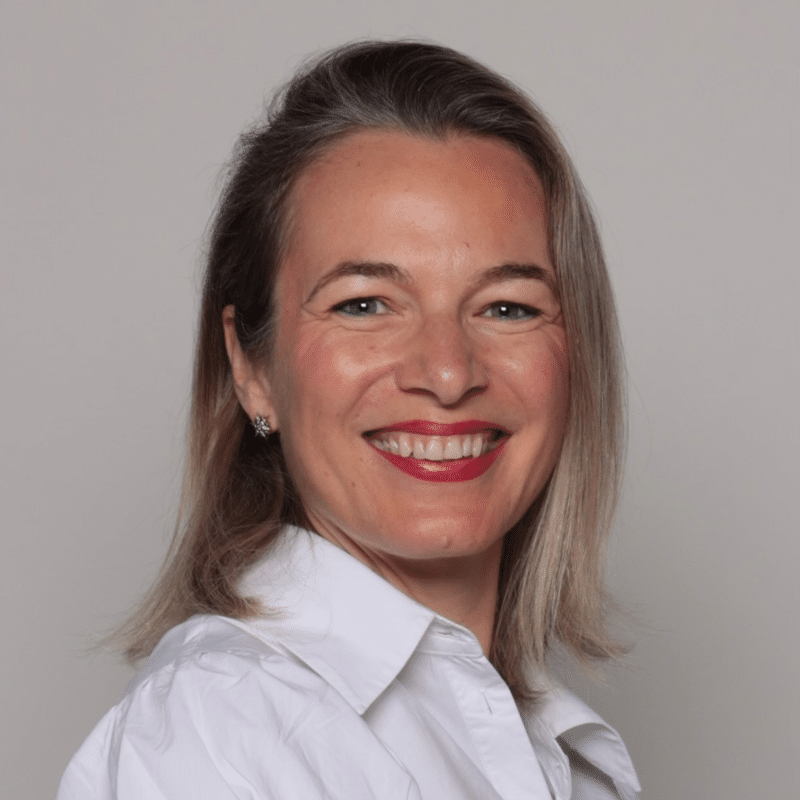
How can a museum offer relevant formats at the intersection of contemporary art and health? What experiences has the Migros Museum für Gegenwartskunst in Zurich gained in this field since 2023, and what has it learned? How does it combine in-house and outreach formats, and how does it work with Living Museum Zurich to foster a continuously growing community?
Join our session to learn about our practice and bring your questions. We look forward to exchanging ideas and experiences with you!

14:30 (GMT)
Break
15:00 (GMT)
Welcome, Wonder, and Well-Being: Creating Space for Depth and Levity at the High Museum of Art
Through case studies and a mixed-methods research study, learn how the High Museum of Art is using the power of art to foster social connection. In 2023, the museum’s [department name] team created a new values statement that puts strengthening people’s connections with themselves, one another, and the wider world at the forefront. Learn how museum staff are putting these values into practice through two programs, Oasis and Art After Loss, which center mental and physical wellbeing, and how they are using mixed methods to evaluate these experiences.
15:30 (GMT)
Improving Community Mental Health by Caring for Clinicians
We know how much clinicians carry. The work they do each day requires deep presence and compassion—often with very little time to attend to their own restoration. Yet the well-being of clinicians is inseparable from the well-being of the communities they serve.
Art and Insight: Take a Breath — Renew, Restore, Refresh was designed in response to that reality. This experience offers an opportunity to step away from urgency into a place of restoration. It invites clinicians into a non-clinical space—one where there is no expectation to perform, fix, or know—and uses mindfulness, art observation, and facilitated reflection to nurture professional well-being.
16:00 (GMT)
Dwelling With: Centering Care and Contemplative Practice for Museum Educators
Over the past decade, and especially since the COVID-19 pandemic, museum educators have reported feeling burnt out and under-resourced. This session presents a case study of a workshop for museum educators titled “Dwelling With.” In designing the program, we asked: How might we invite fellow museum educators to experience galleries and museum spaces as places of reflection and joy? In this session, we share activities and learning strategies that prompted participants to slow down, to notice their bodies in the space, and to reflect on memories and positive experiences in museums and galleries.


16:30 (GMT)
The Power of Play: Supporting Children Through Loss and Separation
How can museums help children navigate grief, loss, and separation from a parent? Discover how children’s museums are using the power of play to support emotional well-being, strengthen family relationships, and build resilience. Drawing on three innovative initiatives—Healing with Play, Play Free, and Building Bridges Through Play—this session shares evaluation findings and real-world experiences that reveal how play creates opportunities for emotional expression, connection, and comfort during challenging circumstances. Learn how museums are extending their expertise beyond traditional settings, partnering with community organizations, and finding new ways to support children and families when they need it most.


Day Two: 28 April 2027
All times are GMT (The time in London)
12:00 (GMT)
The "Artifact–Art–Dialogue" Pathway: Turning Museum Collections into Tools for Family Mental Well-Being
Even in close-knit families, daily conversations often revolve around homework and schedules rather than real feelings, especially during early adolescence. How can museums become a “third place” where parents and teens genuinely see and understand each other? In this session, discover how the Liangzhu Museum used ancient Greek masks and Cycladic figurines as emotional catalysts for 75 families. Through a blend of therapeutic artifact selection, confidential mask-painting and a suspenseful matching game, learn a practical, replicable framework for turning passive gallery visits into meaningful emotional bonding experiences.
Speakers

12:30 (GMT)
A Little Less Alone: Museum Engagement, Emotional Expression and Human Connection
Can museums help us feel a little less alone? Through ‘The Manual of Life’, a participatory engagement project at Wellcome Collection, we’ll look at how simple questions can open up conversations about life’s uncertainties, everyday joys and personal struggles. From asking questions of their future selves to sharing what brings them joy or troubles them, visitors become contributors to a collective resource. Though they may never meet, an invisible thread connects them as they find unexpected recognition, reassurance and alternative perspectives in one another’s words. This presentation explores how thoughtful facilitation and the careful curation of audience contributions create opportunities for emotional expression and human connection.
Speakers

13:00 (GMT)
Partnerships for Wellbeing: Walking for Wellbeing with the Wordsworths
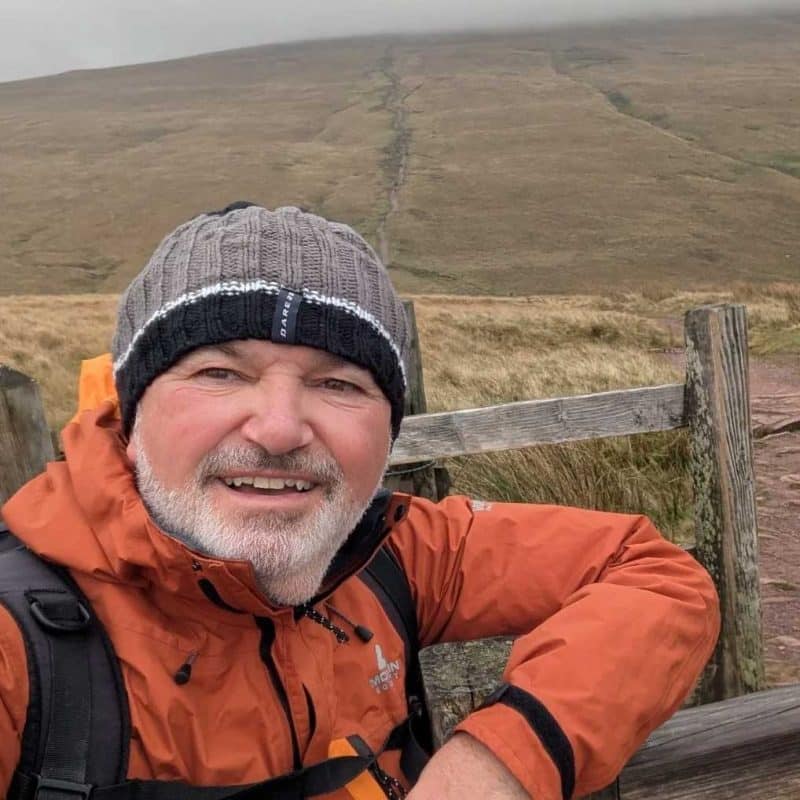
The health and wellbeing benefits of both connecting with nature and creative engagement are well documented, but what happens when we combine the two by bringing together poetry and place, alongside museum collections? Wordsworth Grasmere collaborated with researchers, charities and non-profits, and other museums to deliver a programme of walking for wellbeing drawing on the literary heritage at the heart of our collections. Join us as we share what we learned about how working with partners in the outdoor and mental health sectors enabled us reach new audiences and add new dimensions to existing health and wellbeing activity.
13:30 (GMT)
Giving it Up for Love
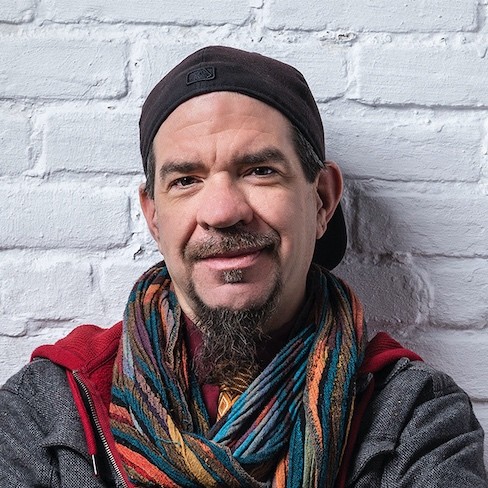
Dream big! Get RADICALLY WELCOMING in your museums, programs and partnerships! What would this look and feel like in your galleries, classrooms, studios and work areas? “Give It Up for Love” tells the story of how Morris Jones and Andrew Christman, two veteran Philadelphia Museum of Art teaching artists, traded in some of their best practices for new, trauma-informed ones at Broad Street Love. This remarkable organization provides stabilizing food, clothing, medical and postal services to guests experiencing deep poverty, using a nontraditional practice called “Radical Hospitality.” How will they bring what they’ve learned back to the museum?
14:00 (GMT)
Sanctuary in the Storm
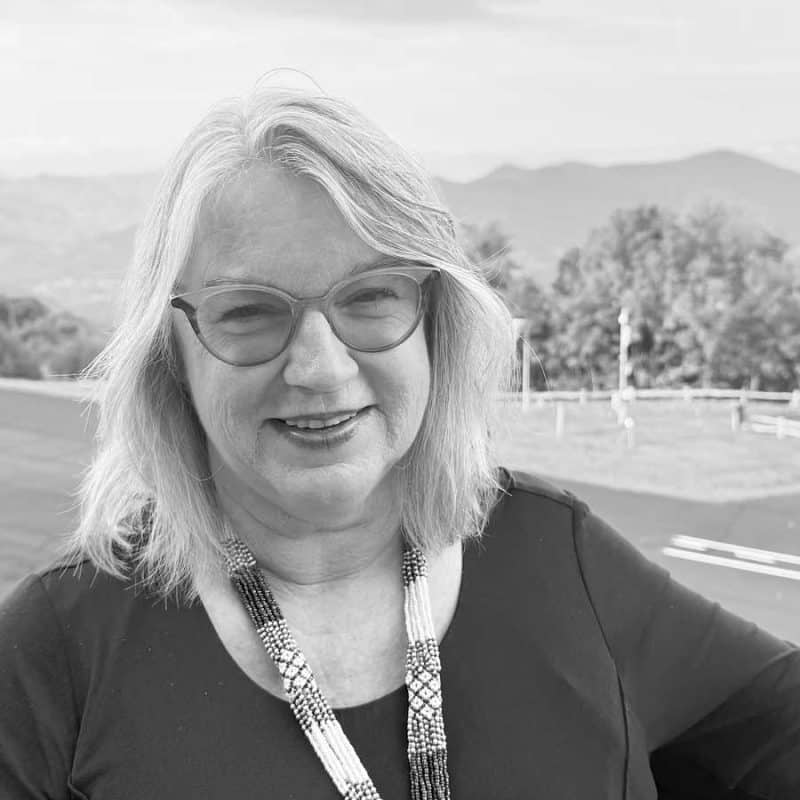
Hurricane Helene’s floodwaters destroyed 7,703 structures, including 800 homes, and claimed 12 lives overnight. As Yancey County sought recovery, the Center for Pioneer Life became an oasis of calm. Your museum or organization may be called to serve during a catastrophe, and this presentation will help you prepare to restore calm and comfort in times of crisis.
14:30 (GMT)
Break
15:00 (GMT)
Creating Sanctuary: Growing with Grief
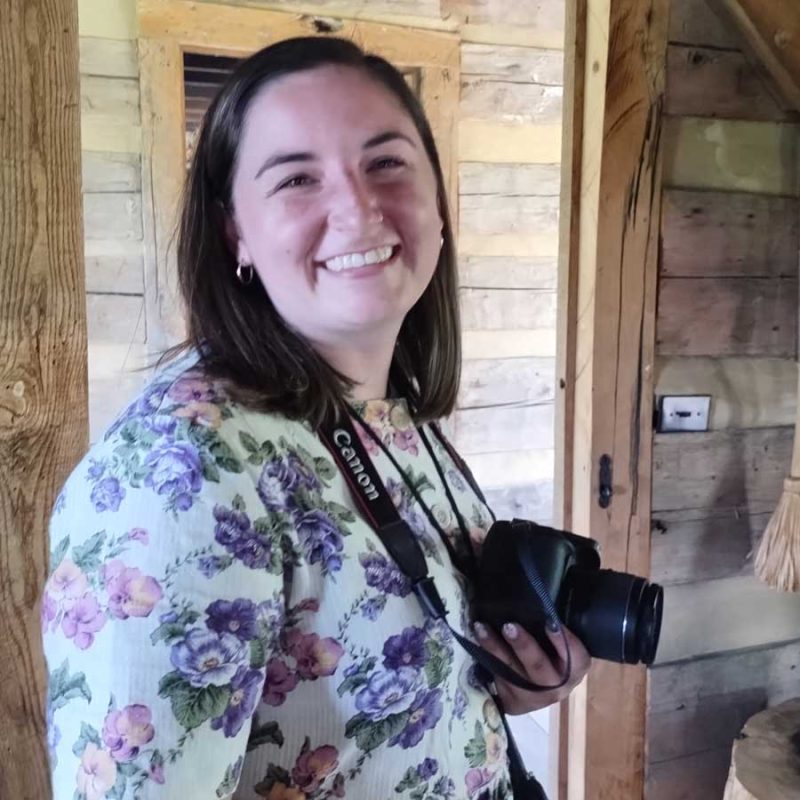
What can a heritage site offer a young person who is grieving? Hear how Sophie, a Young Producer at English Heritage, drew on her own experience of loss to bring bereaved young people together at Wrest Park to design and plant a memorial garden. Delivered in partnership with a mental health charity, gardeners and volunteers, the project shows how heritage and nature can support community mental health. This honest, practical case study explores what youth-led projects can achieve, and why access to quiet, beautiful places matters.
Speakers: Chania Fox and Sophie Moores, English Heritage
15:30 (GMT)
Wellness Activity Guide: Developing an Interactive, Unfacilitated Wellness Resource
Since 2024, surveys conducted at the Saint Louis Art Museum (SLAM) have shown that visitors overwhelmingly report a positive impact on their mental health from visiting the Museum. While SLAM offers a range of wellness-focused programs, we wanted to create an unfacilitated resource: something visitors could access and use independently, on any day and at any time, regardless of the Museum’s program schedule. Discover how the Wellness Activity Guide offers interactive ways to engage mindfully with the Museum’s collection, and explore the collaborative process that shaped its development.

16:00 (GMT)
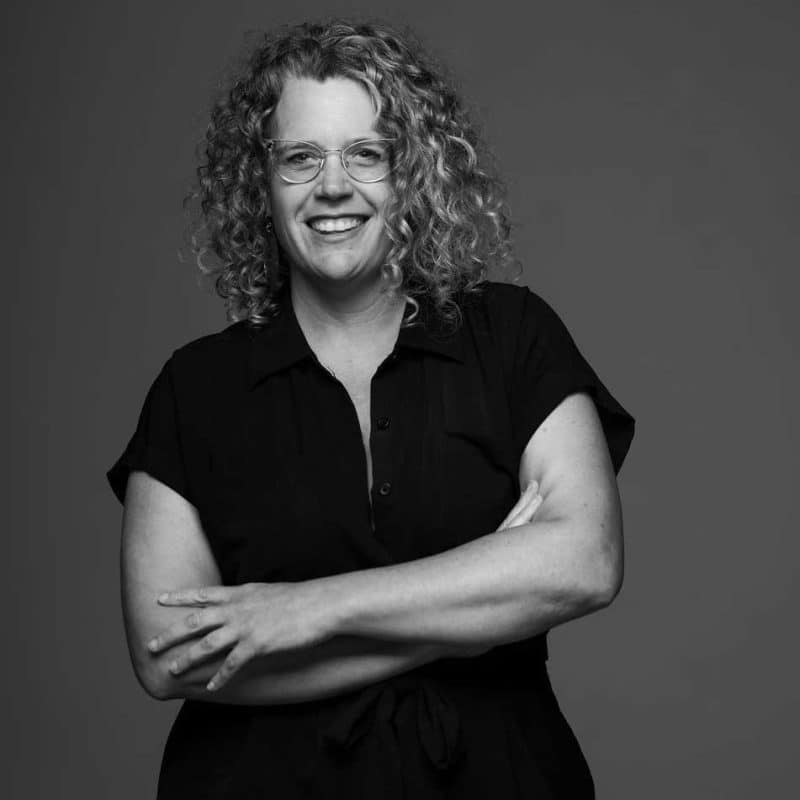
Making Space to Belong: How a Weekly Art Club Supports Wellbeing, Connection, and Community
In an era marked by social isolation, digital fatigue, and community challenges, what role can museums play in supporting well-being? Through the story of Art Club, the Walker Art Center’s free weekly creative gathering for adults, we’ll explore how recurring opportunities for artmaking can foster belonging, spark curiosity, and strengthen connections to art and one another. Learn how we’ve refined the program over three years through experimentation and collaboration with artists, educators, and community partners, and gain practical strategies for creating welcoming spaces where people feel invited to participate, create, and connect.
16:30 (GMT)
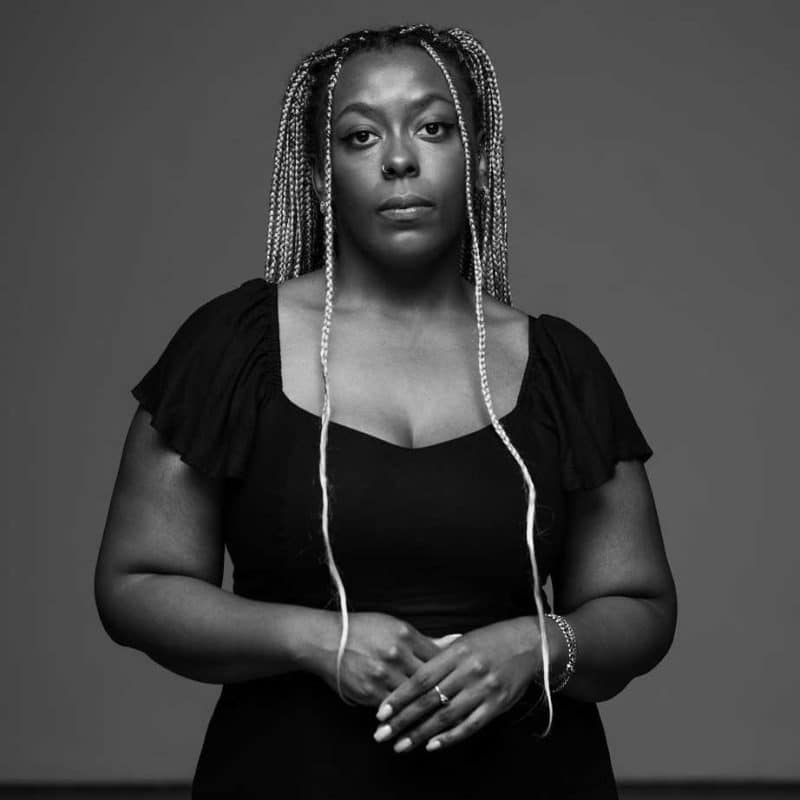
Wellbeing at the Getty: Creating Calm Spaces for Our Communities
This presentation shares how our education department infuses wellbeing into our programs to spread wellness, mindfulness, and calm into our communities. Our initiatives include Wellness Day for Educators, a free day of joy, relaxation and community for teachers; Art Impact: Mindfulness, a program for teens to build mindfulness practices in the galleries and beyond; specialized gallery tours featuring breathwork, drawing, movement, nature, and unique mindfulness practices; and OMMM: Our Museum Mindfulness Meditation Podcast, an art history and meditation podcast for communities beyond our gallery walls. We hope our experiences offer insight for those looking to incorporate wellbeing into their programs.