Fresh ideas from museums around the globe in your inbox each week
May 29 2020
 By Rebecca Carlsson
Start with life stage and visitor needs
Age can help a museum ask better questions, but it cannot answer them on its own. A family may need somewhere to pause and an activity adults can share with children. A younger adult may be looking for an evening with friends, while an older visitor may want to try something entirely new. Ask the people you hope to welcome about timing, cost, access and what they would enjoy doing together. Those answers are more useful than assuming that everyone in a generation wants the same experience.

The examples in this article were discussed in 2020. They offer different starting points for understanding your museum’s audiences, rather than fixed rules about what any age group enjoys.
Age-targeted programmes can welcome people who might otherwise miss out. The important question is how to meet particular needs while keeping the wider museum welcoming to people of all ages.
Make family experiences work for adults too
There are many benefits to child-focused museums. Research shows that introducing children to museums can encourage critical thinking skills, spark curiosity, teach them history, encourage creativity and allow them to think about cultures, experiences and feelings outside their own lives.
At the Hiroshima Children’s Museum in Japan, children are encouraged to learn about all areas of science, including light, sound and space, by engaging with fun apparatus, lightshows, concerts, plays and musicals. There is even a planetarium with programmes that change seasonally.

One useful starting point is planning experiences around what matters to families. Exhibitions for children can give adults something to discover and enjoy alongside them. Most adults will find something new to learn and experience about the scientific world at the Hiroshima Children’s Museum. Likewise, institutions like the Roald Dahl Museum in the UK offer story-led workshops for adults and children alike.
Design adult programmes around real interests
Adult programmes can respond to interests, schedules and social occasions that daytime family visits do not always serve. Millennials are the cohort discussed in the original 2020 article; the term is not a synonym for today’s young adults.
California’s Exploratorium offered one example through its Thursdays After Dark events, where adults could explore exhibits alongside food and drink. The useful planning question is what visitors want from an evening at the museum, rather than whether everyone of a similar age shares a digital preference.
Balance targeted programmes with a wider welcome
It’s possible to argue that by focusing on millennial engagement, museums run the risk of alienating their older visitors. It’s perceived that this can create a divide between older and younger adults which, many believe, doesn’t need to exist.
A balanced programme can use different formats, times and communication channels without assuming that digital activity belongs to one generation and traditional media to another. Ask which channels the intended audience actually uses.
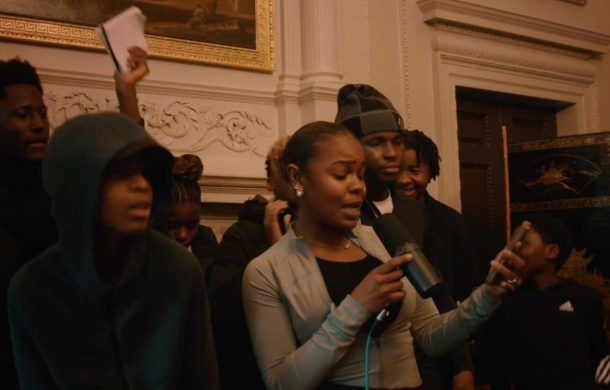
There are many different factors other than age that museums have to consider when creating an exhibition: gender, race, disability, heritage, language, religion, sexuality and location to name a few. Centring on certain groups that need extra attention doesn’t have to mean ignoring other groups entirely. Instead, these can be seen as an opportunity for them to broaden their usual horizons.
Work with older adults
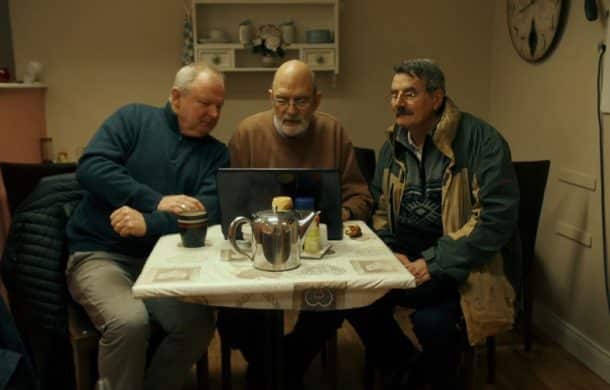
Older adults also deserve deliberate attention in audience planning. Social connection may be important to some visitors, while others are looking for creative challenges, learning or an enjoyable day out. Consult the people and local organisations you hope to involve.
At Dulwich Picture Gallery, Good Times: Art for Older People brought creative workshops into work with older adults. The gallery’s Good Times fellowship report records learning from this sustained programme and its work with participants and those who support them.
Reminiscence can be one route into an exhibition, especially when visitors want to share experiences with younger friends or relatives. It should be an option alongside opportunities to encounter unfamiliar art, learn new skills and explore subjects that have no connection to a visitor’s own past.
Create opportunities across generations
Age is a useful way for museums to address particular topics and engage a particular audience. When used well, exhibitions pitched towards, or designed around, certain age groups don’t have to disenfranchise other age groups as a result.
Programmes designed around a particular life stage can also create opportunities for people of different ages to share an experience. Build in ways to talk, make or explore together, and check with participants whether the format feels welcoming and useful.
About the author – Rebecca Carlsson
Rebecca Carlsson is a journalist writing extensively about the arts. She has a passion for modern art and when she’s not writing about museums, she can be found spending her weekends in them.