Fresh ideas from museums around the globe in your inbox each week
Day One: 8 December 2026
Please Note: All times are GMT (The time in London)
12:00 (GMT)
AI you can trust? Finding a voice of your own in the age of AI
Earlier this year, The National Gallery partnered with Dwel to explore the impact of conversational AI on the visitor learning experience, through an extended pilot at the Gallery and as part of an ongoing touring exhibition. In this talk, Alex and Lawrence will review the process and share the key findings that emerged from the Gallery’s research, examining the opportunities and challenges of deploying AI in cultural settings. Spoiler: it’s all about trust.

12:30 (GMT)
Beyond the One-Off: Digital Games for Art Museum Learning
Digital games can offer art museums new ways to activate audiences, create accessible points of entry, support learning and encourage meaningful engagement with art. But what happens when a game project ends? And can one game really deliver on all these ambitions? Drawing on examples from the Belvedere and other European art museums, this talk explores the tensions between learning, engagement, reach and sustainability that shape digital game-based experiences. It introduces six practical principles for planning beyond the one-off – towards digital games that can become part of a more adaptable, sustainable approach to art museum learning.
Speakers

13:00 (GMT)
Using 3D Objects to Ignite Curiosity and Conversation
Museums are filled with objects that can spark curiosity, conversation, and discovery – but visitors can only take in so much, and many people cannot visit in person. 3D digital models offer museums another way to share and teach with their collections. This session explores how 3D viewing and printing can extend the museum experience, from in-gallery learning to digital engagements and hands-on exploration with low-cost 3D prints. Drawing on Smithsonian examples, we’ll explore how 3D objects can support deeper investigation and how accessible printing technology can put museum objects directly into people’s hands.

13:30 (GMT)
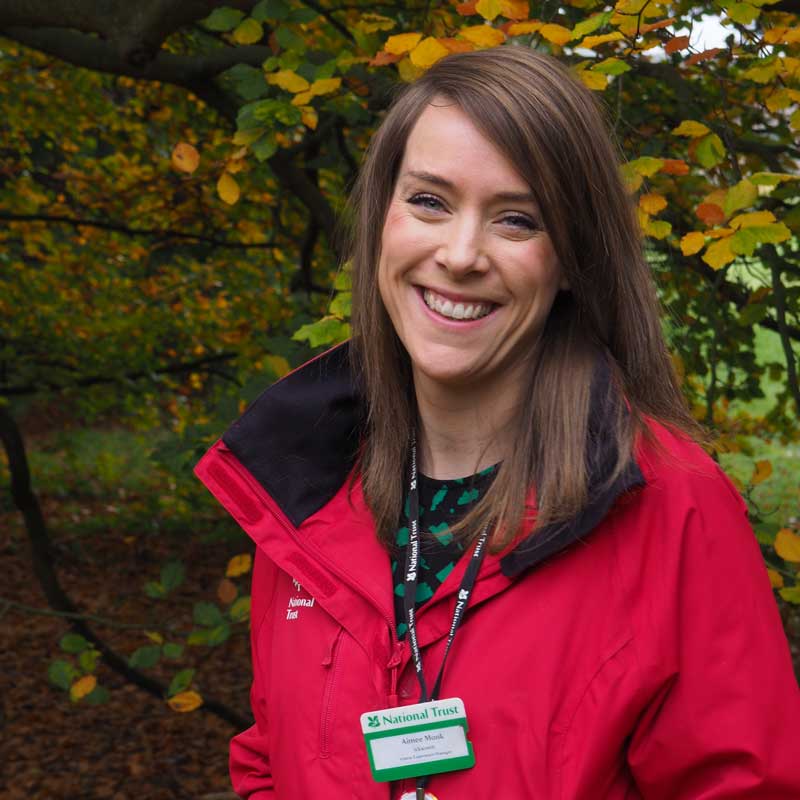
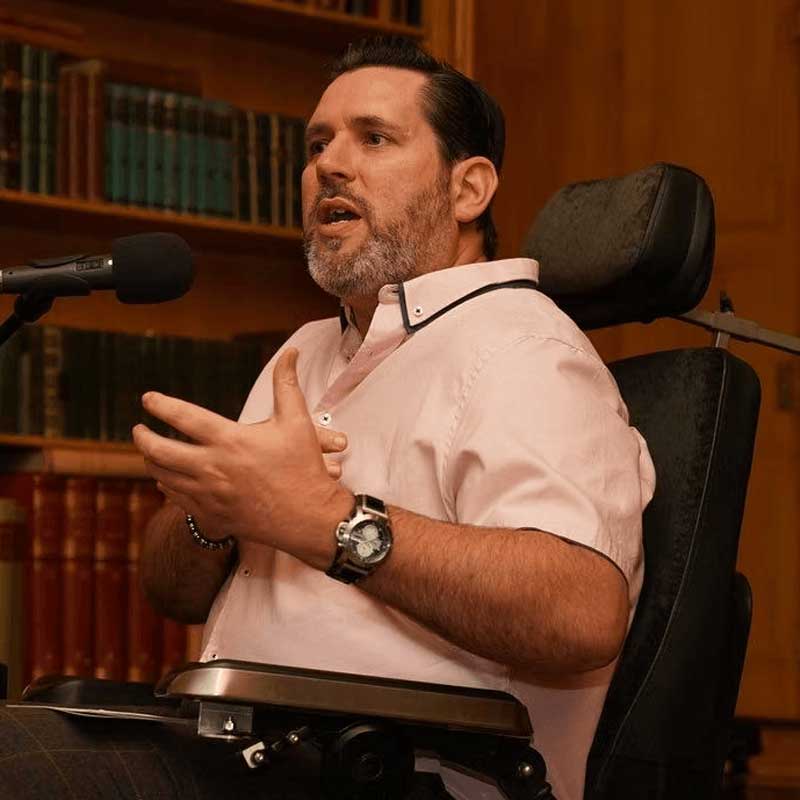
Nothing About Us Without Us: How Digital Storytelling Can Transform Museum Accessibility
How can digital content do more than simply provide access information?
This presentation explores how museums and heritage organisations can work with disabled people to create authentic digital experiences that support confidence, choice and inclusion. Through a case study at Hardwick Hall, we examine the development of access-focused films, including a Christmas experience that enabled audiences unable to reach upper floors to explore decorated spaces through immersive digital storytelling.
Combining lived experience and organisational perspectives, the session demonstrates how co-creation, authentic representation and visitor-centred design can transform digital accessibility from information provision into meaningful cultural participation.
Speakers
14:00 (GMT)
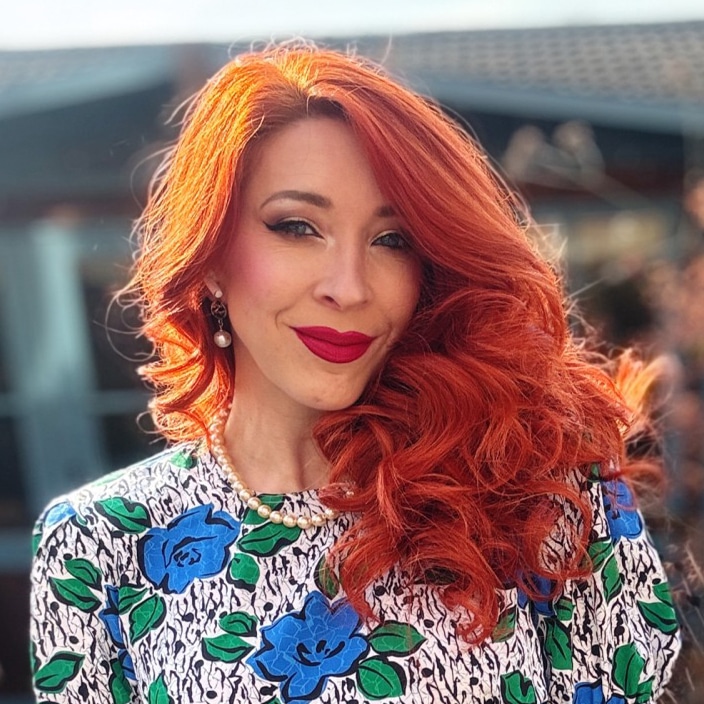
How engaging younger audiences might involve challenging prevailing wisdom
For a while, the prevailing wisdom was that there was no point in building new platforms to entice audiences to. Instead, for the most impact, we should take our content to the few trusted platforms that people visit daily. But what if – given how younger people now find and consume content and the growing and deep concerns around their social media use – ‘build it and they will come’ has a new lease of life?
In this presentation we will explore mused, the V&A’s new site for 11–14-year-olds, and how taking an audience-first, search optimised approach to our content has brought a new, younger audience to our own (owned) website, most of whom have never heard of the V&A.
mused has proved that young people (traditionally perceived as a ‘hard to reach’ audience for museums) who are just beginning their own internet journeys are drawn to high-quality, entertaining content that speaks clearly and respectfully to their interests, no matter the site.
We will explain our innovative audience research panels, how they influenced our aims and content treatments and how our search engine optimisation research and implementation has driven impressive results in traffic and engagement.
Speakers
14:30 (GMT)
Break
15:00 (GMT)
Presence at a Distance: Live 360° Tours That Put Remote Visitors Inside the Museum
How can we make collections more accessible by taking them beyond the museum’s walls? What does it take to make remote museum visitors feel genuinely present – as if they are inside the museum and in dialogue with a live guide? How does this enhance their wellbeing? We explored this with the FFG-funded MINERWA project, by building and testing a 5G-enabled, browser-based 360° live tour experience for people who cannot visit a museum in person. Remote visitors follow and engage with an on-site guide, receive contextual content, answer quiz questions, and engage with collection objects in real time.

15:30 (GMT)
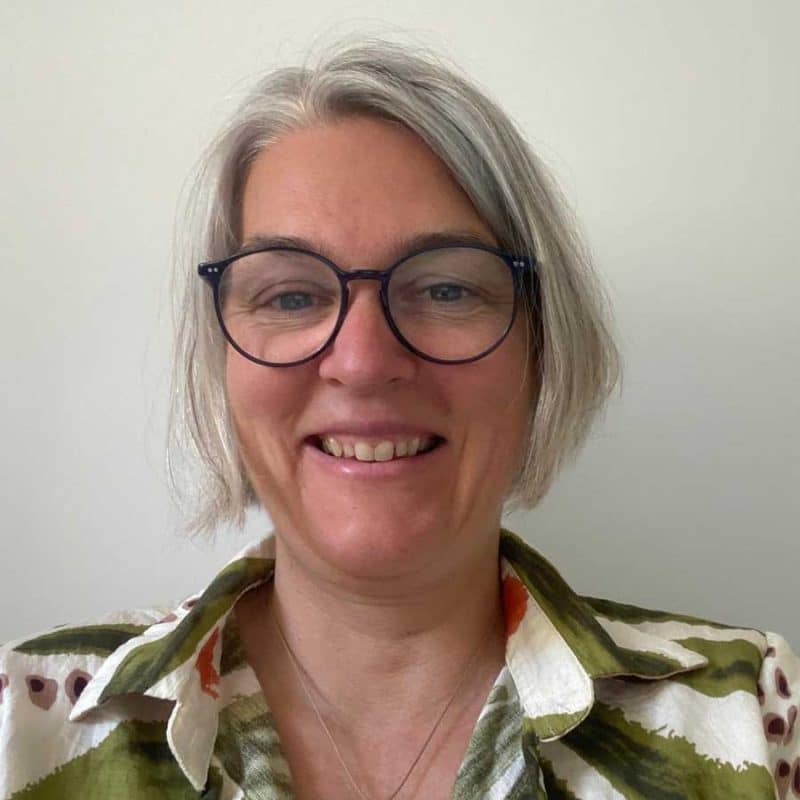
Jewish Museum Berlin + Digital = JMB di.kla!
Anti-Semitism is on the rise, the reality of life in Jewish communities often remains invisible, and teachers are under enormous pressure. With JMB di.kla, the Jewish Museum Berlin has developed a digital learning program that addresses precisely these issues. The presentation shows how JMB di.kla promotes participation and what obstacles it faces.

16:00 (GMT)
Beyond Access: What Can Digitized Collections Do for Learning?
Museums have invested enormous resources in digitizing their collections. But what happens when we move beyond making collections accessible and start designing with them for learning?
In this fast-paced conversation, the Natural History Museum of Utah’s Research Quest team will share what they’re discovering through a decade of designing digital investigations with authentic natural history collections. Through examples from Research Quest, we’ll explore how digitized specimens can become more than objects to view: they can become evidence to investigate, patterns to uncover, and tools for building explanations. Join us to rethink what digitized collections can make possible for learners—and imagine what could happen if more museums explored these possibilities together.

16:30 (GMT)
Designing Interactive Online Field Trips for K–12 Learners
The Getty Museum’s Online Field Trip program is an interactive, student-driven learning experience for K–12 students. Free and accessible from anywhere, each experience combines video, choose-your-own-path navigation, interactive hotspots, and close-looking activities led by educators, inviting students to make choices, investigate, and reflect. Experiences are differentiated by grade band and designed to foster curiosity, critical thinking, and visual literacy. Rather than simply watching media, students actively engage with and shape their experience, creating flexible learning opportunities that teachers can use with whole classes, small groups, or individual learners.
Speakers
Day Two: 9 December 2026
Please Note: All times are GMT (The time in London)
12:00 (GMT)
A virtual museum event, with no budget, 12 different speakers and 19,890 engagements
Hadrian’s Wall Live is a three-day live virtual event taking place every November for primary-age children focusing on Roman Britain in the North of England. The event is designed to highlight this World Heritage site, its collections and stories, to bring together organisations with a common goal and show how creative and important museum education is.
The event is coordinated by one person, using low-tech tools and zero budget, and features 12 speakers reaching over 19,000 children and young people from the UK and Cyprus in schools and homes.
Find out how the event went from 4,000 engagements in year 2 to 19,890 in year 4. Hear hints and tips for collaborating with multiple organisations and managing an event like this with no budget and get our advice on what teachers want and what engages in live virtual workshops.
The session will end with some thinking time – What is the future of the event? What are your networks? What space do you have for large-scale virtual engagement?

12:30 (GMT)
What We Did With AI as a Small Museum: Audio Guides, Chatbots and New Audiences
What can a small museum actually do with AI today? In this practical session, we share what we built ourselves using accessible AI tools: multilingual audio guides, a chatbot, content adapted for different audiences, and new ways to make collections more engaging and accessible. We’ll show what worked, what didn’t, and what we learned along the way. No big tech team, no huge budget—just real examples from a small museum experimenting with AI and putting it to work.
13:00 (GMT)
Reimagining Access to Museum Collections Through Hybrid Learning with V&A Academy
Throughout this talk, attendees will discover the innovative approaches to accessing the museum’s collections through learning opportunities, with the combination of in-person and digital experiences to engage wider audiences, support lifelong learning, and increase accessibility. The talk will showcase examples of courses and events and the new technologies that have helped the Academy team develop our learning offer, as well as the collaborative learning models that connect people with cultural heritage in meaningful ways. Whether you work in museums, education, digital engagement, or cultural organisations, you will gain valuable insights into creating more inclusive, flexible, and sustainable ways for audiences to explore, learn from, and interact with museum collections.
Speakers
13:30 (GMT)
AI Meets AR: Transforming School Museum Visits
Do you wonder how to use augmented reality and AI to captivate visitors while providing an engaging educational experience for school groups? We developed custom web-based software that does exactly that and evaluated it with real student groups visiting our museum.
Speakers

14:00 (GMT)
Break
14:30 (GMT)
Remembering remembrance differently: a schools livestream case study
How can heritage organisations create meaningful digital experiences that retain the power of place? This session examines the creation of Remembrance Live, Westminster Abbey’s national livestreamed learning event for schools. Delivered by the Learning Team at Westminster Abbey, the presentation offers an honest reflection on the opportunities and challenges of producing large-scale digital engagement from a working church and UNESCO World Heritage Site. Through sharing lessons learned, audience feedback and production approaches, the session will provide practical takeaways for attendees seeking to use digital learning to increase access, reach new audiences and enhance educational impact.

15:00 (GMT)
From artifacts to learning experiences: designing digital heritage for children's learning
Museums around the world are digitizing their collections. But making an object available online does not automatically create a learning experience. Since launching in 2023, the Digital Museum of Learning has explored how artifacts, cultural heritage, and learning science can be transformed into engaging digital experiences for children and educators. This session shares practical approaches to designing online exhibitions that foster curiosity, reflection, and discussion, moving beyond information delivery to create meaningful opportunities for learning. Discover how children’s agency can become a guiding principle for creating digital experiences.

15:30 (GMT)
Beyond the Virtual Visit: Extending Museum Learning into the Classroom
How can museums bring meaningful learning into classrooms before, during, and after a virtual visit? This presentation shares a unique Virtual Field Trip model, which combines live, inquiry-based experiences with standards-aligned art kits and classroom experiences that deepen understanding, foster inquiry, and connect museum learning to students’ own ideas and creative processes.

16:00 (GMT)
A Century-Old Method, a Research-Driven Digital Education Roadmap
Beyond its famed collection, the Barnes is an educational institution rooted in our founder’s century-old method: close looking, critical thinking and prolonged engagement with original works of art. When our classes moved online, no online platform could carry that method – so we built our own. Since the Visual Experience Platform launched in February 2023, the Barnes has earned over $1,000,000 in online education revenue and delivered more than $330,000 in scholarships and community access. It now carries our live and on-demand courses. And other institutions have begun licensing it, because the problem we solved was never only ours.