Fresh ideas from museums around the globe in your inbox each week

October 13 2024
 By Jim Richardson
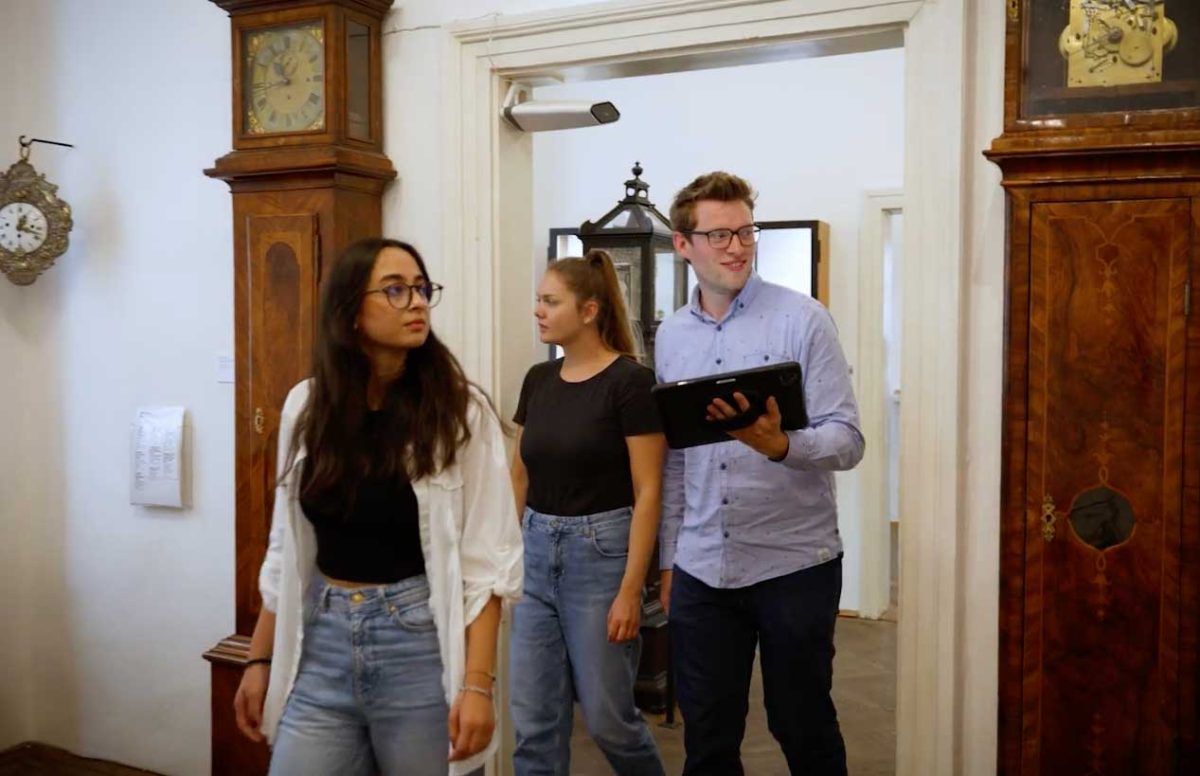
In an ambitious step to broaden its appeal, the Vienna Clock Museum developed an augmented reality (AR) escape game entitled “A Shared Secret – The Clock Museum’s AR Escape Game.” This innovative project marks the museum’s first foray into the world of escape games, blending historical storytelling with cutting-edge technology to captivate new audiences, particularly teenagers and young adults.
The Vienna Clock Museum, one of the 16 locations managed by the Wien Museum, has been a historic landmark since its foundation in 1917. Housed in a centuries-old building dating back to 1547, the museum’s intimate and somewhat labyrinthine spaces lend themselves perfectly to the immersive experience of an escape game. The collection, which comprises around 700 meticulously curated clocks and timepieces, forms the backdrop for this unique interactive adventure.
The Genesis of the Museum AR Escape Game
The project, led by the Wien Museum team in collaboration with ArchaoNow—a company specialising in educational games—and augmented reality specialist Franco Lanfur, was made possible through a €100,000 grant from the Vienna Business Agency. Together, the team crafted an experience designed to make the museum’s collection more engaging, educational, and accessible to a wider audience.
The storyline of “A Shared Secret” revolves around Aunt Selma, a fictional character inspired by Marie von Ebner-Eschenbach, a 19th-century Viennese writer, aristocrat, and watchmaker. Players follow clues left by Aunt Selma to uncover a hidden inheritance while learning about the history and mechanics of timekeeping.
“Fun had a high priority from the start. Though every part of the puzzle comes with a solid historical background, they are wrapped into a fictional story that guides players from one room to the next.” — Christine Koblitz

Blending History with Augmented Reality
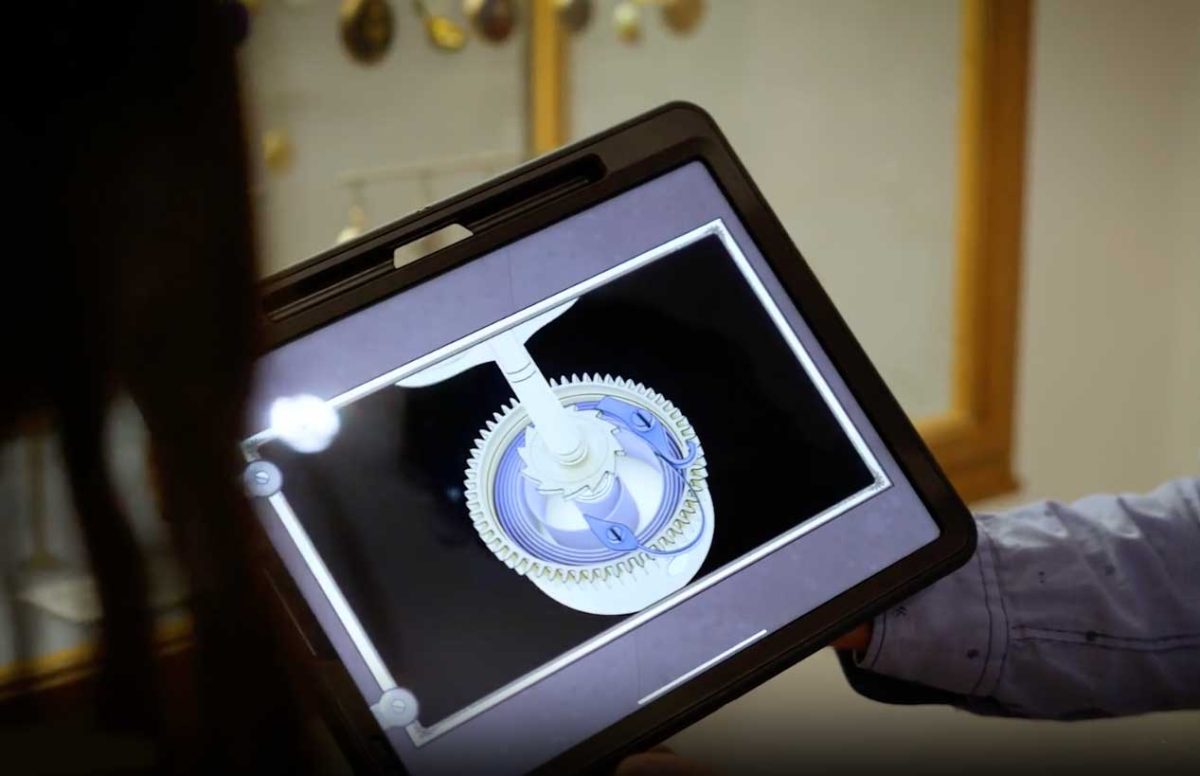
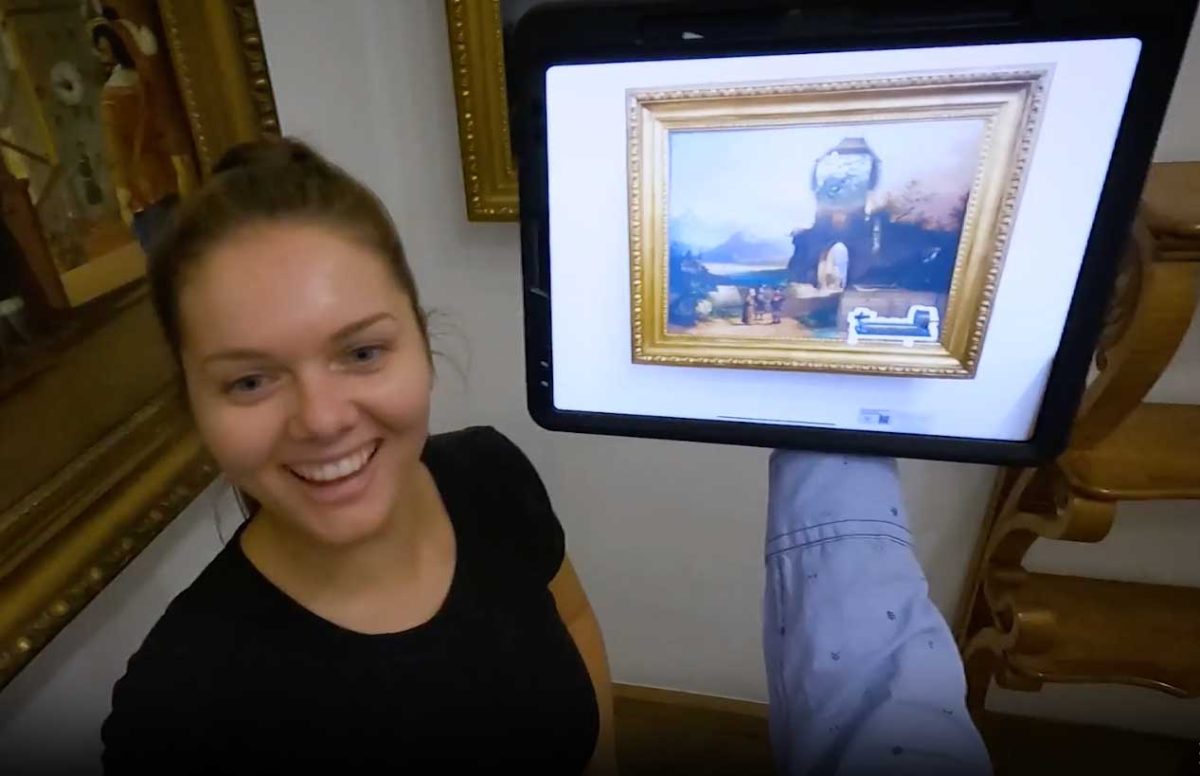
Storytelling lies at the heart of the escape game. The creators meticulously integrated the museum’s collection into the narrative, ensuring that participants learn about the evolution of timekeeping through hands-on discovery. To preserve the delicate artefacts, the game incorporates AR technology, allowing players to interact with virtual representations of objects rather than the objects themselves. For instance, participants use tablets to unlock puzzles and explore intricate clock mechanisms in stunning detail.
A key innovation is the absence of a game master, a necessity given the museum’s limited staffing. Instead, the game’s intuitive design guides players seamlessly through the experience. From solving riddles to virtually assembling a pocket watch with the help of “Daddy Longlegs,” a quirky spider-like AR companion, the game balances fun with historical depth.
Design around rooms, reflections and staffing
Developing an AR escape game in a historic space posed unique challenges. The museum’s narrow rooms and reflective surfaces required careful selection of objects for AR integration. Additionally, the team’s decision to avoid time pressure, a staple of traditional escape rooms, was intentional. Instead, the focus is on collaboration and the joy of shared discovery, aligning with the game’s central theme of valuing time spent together.
Test groups played a pivotal role in refining the experience. Feedback highlighted the need for concise text and a clear progression of tasks. Visual and auditory rewards, such as animations and clock sounds, were added to enhance player satisfaction.
“Storytelling is at the heart of every successful game design, especially in a museum context where the goal is to make history come alive and feel tangible.” — Tabea Rude

Use testing to clarify the next task
“A Shared Secret” transforms the museum visit into an interactive learning journey. By engaging with AR-enhanced exhibits, players gain insights into the principles of mechanical clocks, the progression of timekeeping technology, and the artistic craftsmanship of historical timepieces. The experience is designed to inspire moments of amazement and curiosity, even among those unfamiliar with the world of horology.
Looking Ahead
At the time of the 2024 presentation, the museum was preparing to launch the escape game and reported positive early feedback. Test players, ranging from teenagers to seniors, praised the game’s ability to bring the museum’s collection to life. Many remarked on the joy of discovering the museum through a fresh lens, with some expressing a desire for similar interactive formats in other exhibitions.
Christine Koblitz and Tabea Rude described an escape game shaped by the Clock Museum’s operating conditions. Limited staffing made a game master impractical, so the experience needed to guide players itself. Narrow rooms and reflective surfaces affected object selection, while test players helped the team shorten text and clarify progression. Removing the countdown also shifted attention towards shared discovery. For museums considering an escape-game format, these choices show why the rules should emerge from the collection, building and staffing model, rather than copying a commercial escape room unchanged.
For a related case study, see Belvedere’s tested outdoor AR game.
–
This article is based on the presentation, "A Shared Secret – The Clock Museum's AR Escape Game", by Christine Koblitz and Tabea Rude from the Wien Museum at the Museums, Games & Play Summit 2024 organised by MuseumNext.


About the author – Jim Richardson
Jim Richardson is the founder of MuseumNext. He has worked with the museum sector on digital and innovation projects for almost thirty years and now spends his time championing best practice through MuseumNext.