Fresh ideas from museums around the globe in your inbox each week

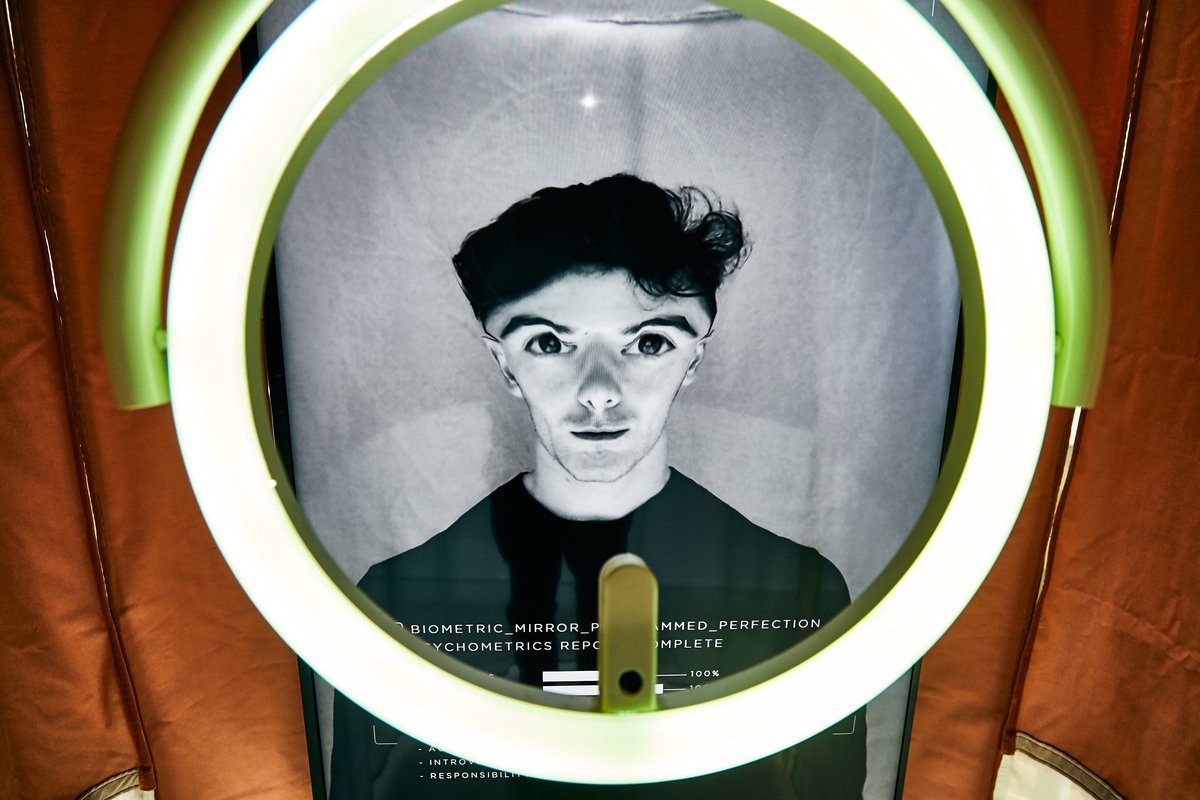
‘Biometric Mirror’ (2018) by Lucy McRae and Niels Wouters, from the installation of Science Gallery Dublin’s PERFECTION, 2019.
Niels Wouters, Head of Research at Science Gallery Melbourne, explored programme ethics in a MuseumNext presentation, challenging museums and galleries to take an active role in exploring ethics and societal norms. Highlighting the importance of these conversations in an era of rapid technological advancement, Wouters argued that museums have a unique opportunity to create safe, engaging spaces for critical reflection on some of society’s most pressing issues.
Science Gallery Melbourne, part of a global network that merges art and science, has positioned itself as a leader in making ethical debates accessible and engaging for young audiences aged 15 to 25. By using interactive installations and interdisciplinary collaboration, the gallery fosters a dialogue on complex topics, encouraging visitors to think deeply about the implications of emerging technologies.
Exploring Bias and AI with Biometric Mirror
One of the projects Wouters highlighted was Biometric Mirror, an installation developed in collaboration with science fiction artist Lucy McRae. This AI-driven experience analysed visitors’ facial features and displayed supposed personality and appearance ratings, such as perceived attractiveness and emotional stability. Displayed on large public screens in a bustling shopping district, the installation provoked conversations about the biases inherent in artificial intelligence systems and the broader implications of surveillance technologies.
Wouters explained how the project was designed not just to showcase technology but to expose its flaws, helping visitors understand that algorithms are often built on datasets shaped by human biases. This raised critical questions about the societal impacts of technologies like facial recognition and their potential for harm.
A related interview on AI and audience research sets out a supplier’s approach to analysing visitors’ comments.
Sustainability and the Ethics of Waste with Urinotron
Another standout project was Urinotron, which transformed urine into clean drinking water and used its nutrients to generate electricity. Developed with French artists Gaspard and Sandra Bébié-Valérian and chemical engineer Peter Scales, the installation confronted visitors with the legal and social barriers to adopting sustainable technologies.
In drought-prone Australia, where water scarcity is a pressing issue, the project sparked debates about the need to revisit outdated regulations and rethink societal attitudes towards waste and sustainability. By encouraging participants to donate their own urine for the installation, Urinotron made the ethical and environmental implications of the project deeply personal, inviting reflection on how innovation could reshape behaviour and policy.
Wearable Technology and Environmental Awareness with Patch
A third project, Patch, focused on wearable technology and environmental awareness. This device tracked air pollution exposure and visualised the data on large public screens, encouraging visitors to reflect on their personal environmental impact. The installation highlighted the potential of wearable technologies to promote sustainability and foster collective action through shared data.
By displaying environmental data in public, Patch invited people to consider pollution and their own choices. Wouters presented behaviour change as a question for the project, rather than an established result.
Museums as Ethical Stewards
Wouters underscored that museums and galleries are uniquely equipped to take on these ethical challenges. As trusted spaces, museums provide environments where visitors can explore controversial topics safely and at their own pace. The voluntary nature of participation allows for a range of engagement, from active involvement—such as donating urine for Urinotron—to more passive observation. This flexibility, combined with the critical and reflective nature of museum spaces, makes them ideal platforms for tackling difficult questions and fostering meaningful dialogue.
An important concept introduced by Wouters was the idea of “programme ethics,” which goes beyond traditional concerns like governance and acquisition ethics. Programme ethics asks museums to ensure their exhibitions and events not only meet ethical standards but also contribute to broader societal debates. For instance, by addressing the ethical implications of AI or sustainable technologies, museums can lead discussions that influence public opinion, policy development, and even the frameworks used to evaluate emerging innovations.
Preparing for Ethical Challenges
Wouters also shared how Science Gallery Melbourne carefully managed the ethical risks associated with their installations. For Biometric Mirror, the team prepared extensively, creating FAQs, coordinating with university counselling services, and implementing safeguards to address any potential harm to participants. These measures gave the team ways to explain the work and respond to concerns.
By embracing such thorough preparation, museums can confidently tackle complex or controversial topics, ensuring their spaces remain trusted environments for ethical inquiry.
The practical work began before an installation opened. Wouters describes preparing public explanations, involving communications teams and planning a response if someone was upset. He also recalls one request to remove data, which the team could handle. For another museum, the useful questions are who explains participation, how someone opts out, who receives a concern and how a removal request is acted on.
Testing ideas about visitor experience also requires a clear distinction between a promising hypothesis and what a study has actually established.
A Call to Action for Museum Professionals
In his conclusion, Wouters reminded museum professionals that they are stewards of ethical inquiry. Museums have always been spaces for speculation and reflection, but in today’s rapidly changing world, they must also become leaders in addressing the ethical dilemmas posed by new technologies. Whether through innovative exhibitions, interdisciplinary partnerships, or carefully crafted ethical frameworks, museums can help society navigate the complexities of the future.
Wouters’ presentation offers a call to action for museums to embrace their role as ethical leaders. By creating spaces where difficult conversations can unfold, museums not only engage audiences but also influence the cultural and societal dialogue around innovation. At the time of the talk, Science Gallery Melbourne was planning a season focused on mental health and wellbeing. Its preparation offers a useful starting point for museums considering ethically challenging work. For museum professionals, the question remains: how will you use your space to lead the conversation on ethics in the 21st century?