Fresh ideas from museums around the globe in your inbox each week

October 10 2026
 By Manuel Charr

Suppose you were asked to design something to help children with anxiety. You would probably reach for a clinic, a trained therapist and a carefully measured course of treatment. You would almost certainly not reach for an art gallery, a sketchbook and a cup of tea.
Yet that is roughly what the Art Gallery of New South Wales (AGNSW) and the Black Dog Institute, a mental health research organisation, built together. Culture Dose for Kids (CDK) is an eight-week programme for children aged 9 to 12 with anxiety, and for the parents or guardians who come with them. Each 90-minute session involves looking at just three artworks, making something with no right answer, and talking about it if you feel like it.
When Danielle Gullotta, AGNSW’s Senior Access Programmes Producer, presented the programme at the Museums, Health & Wellbeing Summit 2026, what stood out wasn’t any single activity. It was how many of the programme’s choices run against the instincts most museums have. Look closely and each one turns out to make a strange kind of sense.
Want more insights like this? Explore our upcoming virtual conferences here
Why three paintings beat thirty
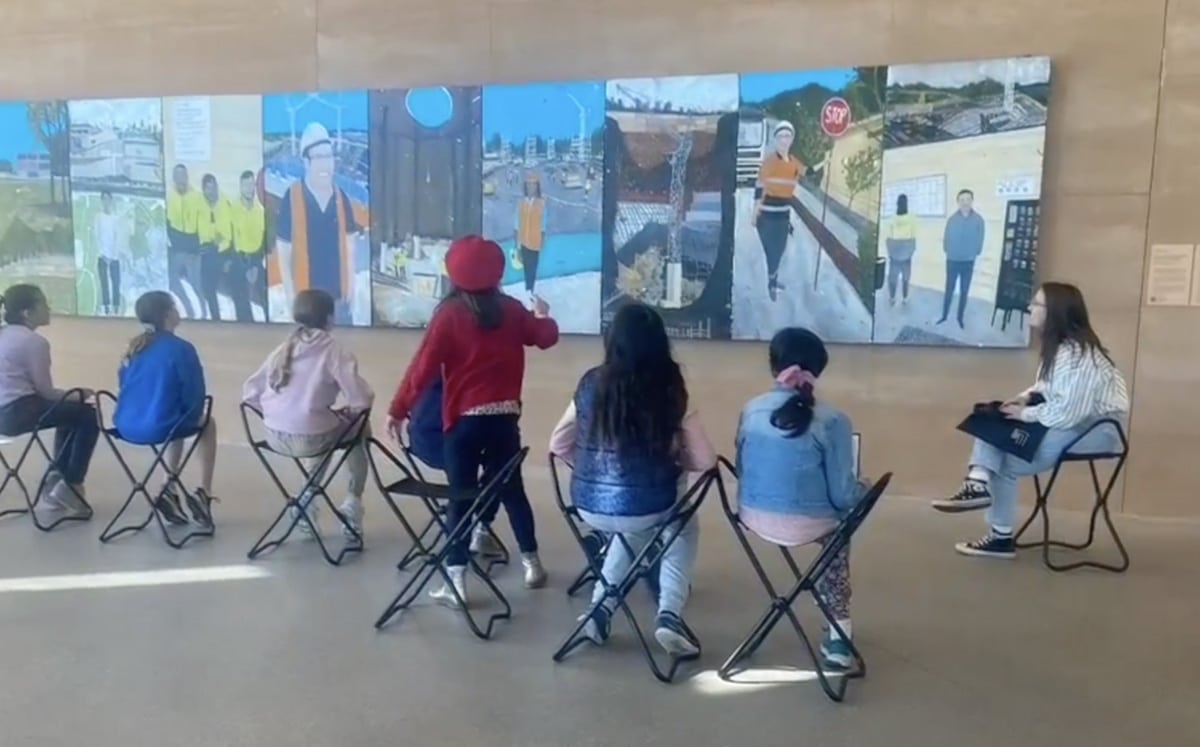
Museums tend to measure success in volume: more visitors, more objects seen, more ground covered on a tour. Culture Dose for Kids quietly ignores all of that. Each session centres on just three artworks, chosen around a weekly theme, and participants spend real time with each one.
The logic becomes clear once you ask what the programme is actually trying to produce. It isn’t knowledge of the collection. It’s attention, the ability to slow down and be present, which is precisely what anxiety erodes. Seen that way, a fast tour of thirty masterpieces isn’t a richer experience. It’s the wrong medicine.
The routine around the art matters just as much. Every session follows the same pattern: arrive, collect a visual diary, notice your breathing and how your body feels, then go and look. For a child whose mind races ahead to what might go wrong, a predictable structure is a relief. Gullotta notes a growing body of evidence that structured, scaffolded but open-ended engagement with collections can benefit wellbeing.
None of this was invented from nothing. The model grew out of years of AGNSW access work, including Starting with Art for students with disability, Arts on Prescription research, and Art and Dementia for people living with dementia and their care partners. The lesson those programmes taught was the same: a slower, multi-sensory, process-led encounter can reach people a conventional tour misses.
To bring families together, split them up
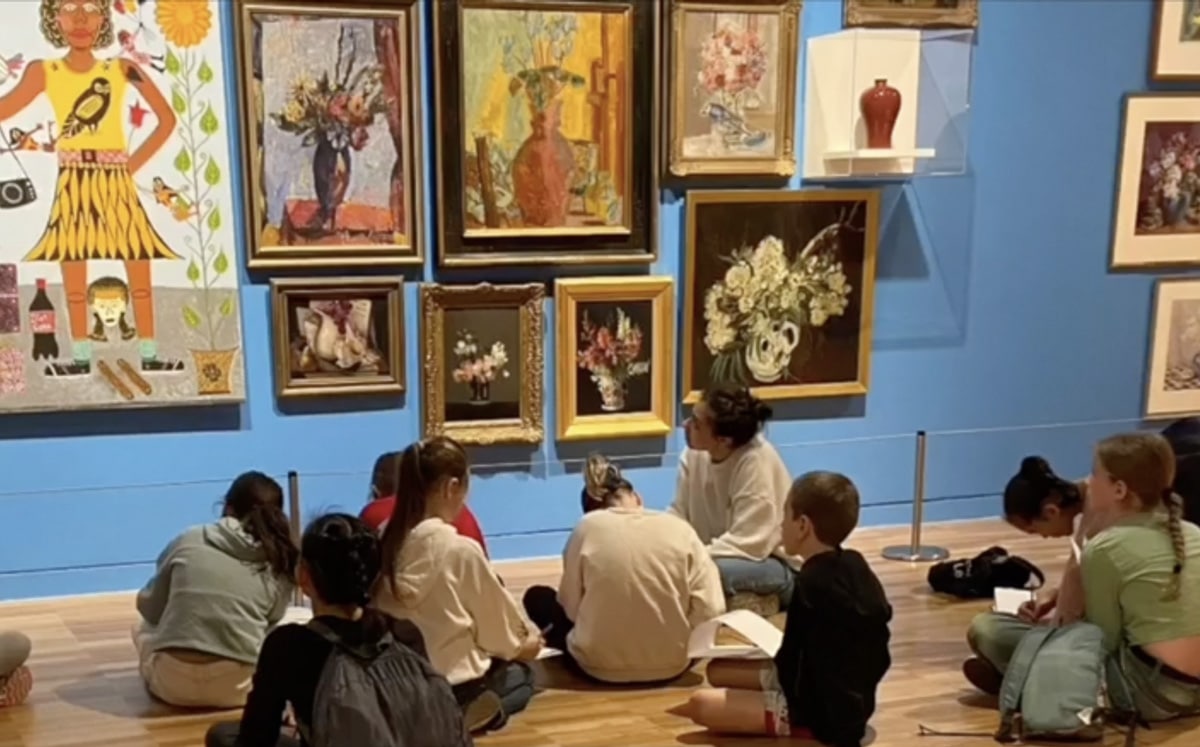
Culture Dose for Kids is a family programme, so you might expect children and parents to do everything side by side. Instead, once the session begins, they go separate ways. Children visit the three artworks in one group, parents in another.
Think about what happens when a parent stands next to an anxious child in front of a painting. The parent, trying to help, fills the silence. The child, sensing an expectation, says less. Separate the two and the dynamic changes. Children get room to form and voice their own responses, which Gullotta says builds confidence, agency and resilience.
The clever part is what happens next. Because both groups have looked at the same works, families reunite with something genuinely new to talk about. They also get to watch each other make art later in the studio. Parents told the researchers they connected with their child in a different way, away from the pressures of home and school. The separation turned out to be a bridge.
Lower the price of joining in
For most of us, saying something in a group costs very little. For an anxious child, it can feel expensive: the risk of being wrong, of being looked at, of being judged. Ask them to pay that price every time they want to take part and many simply won’t.
Culture Dose for Kids’s answer is a humble sketchbook. Every participant gets a visual diary, and children can respond to an artwork in whatever currency they can afford that day. They can speak, write a single word, sketch, or just move a pencil while they look. All of it counts. Whatever goes in the diary stays theirs, to share or keep.
The effect shows up in the closing reflection at the end of each session. In the first weeks, sharing usually needs gentle encouragement. By week three or four, children and parents are volunteering, often describing feelings of calm and joy. Nobody pushed them harder. The cost of participating simply fell until it was worth paying.
Discover the inspiring work happening in Museums around the world at our virtual conferences — Find out more
The surprising power of not trying
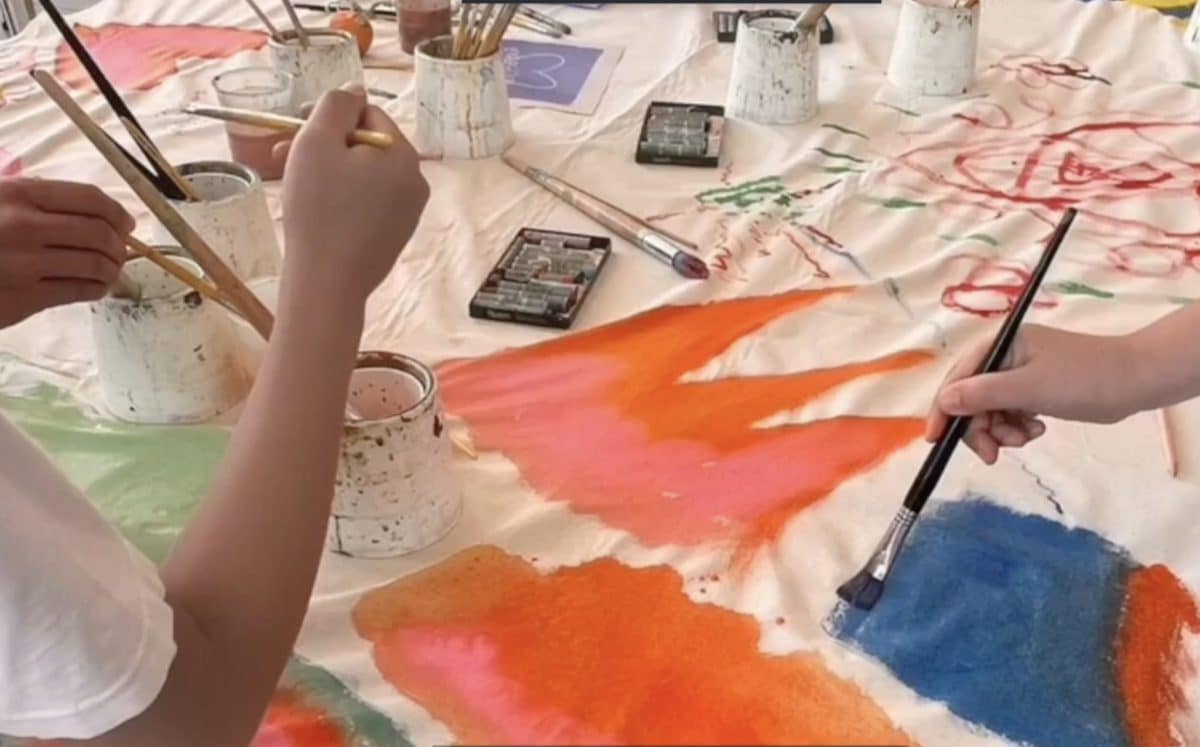
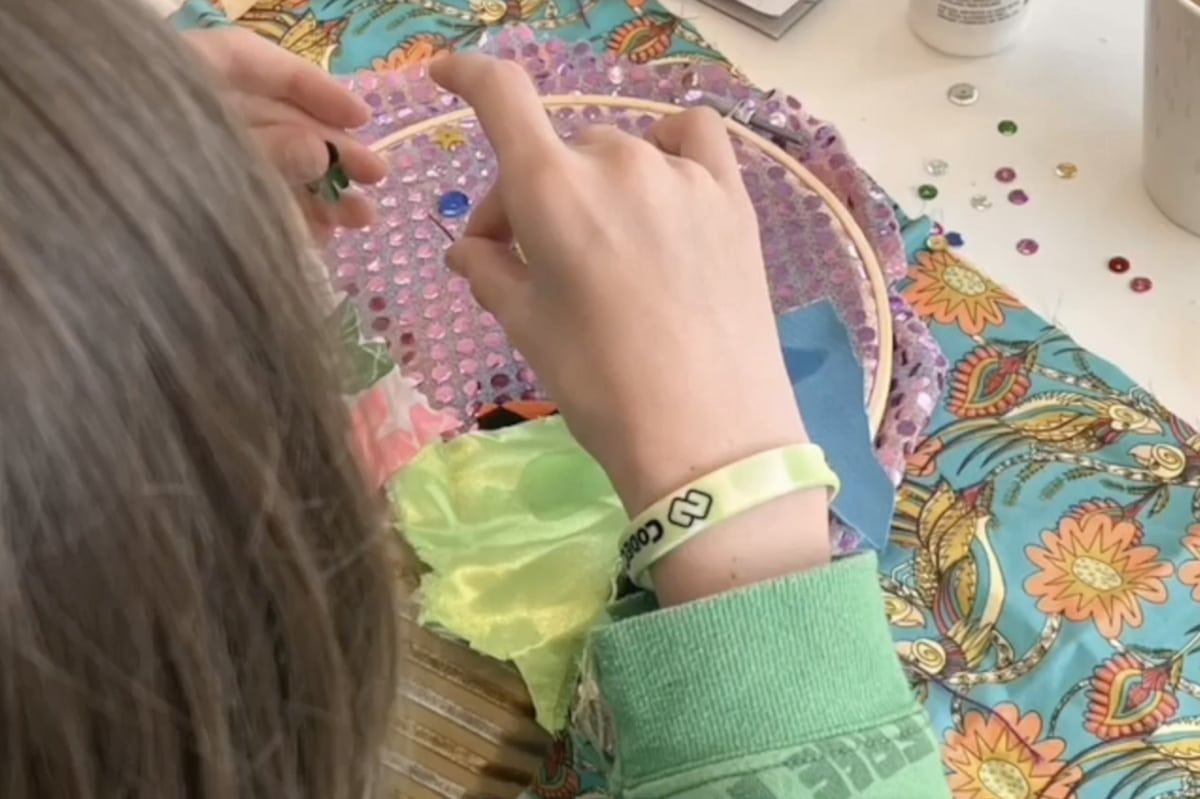
Here is another instinct Culture Dose for Kids resists: the urge to teach. Gullotta is emphatic that these are not art lessons and that there is no prescribed outcome across the eight weeks. The studio is for experimenting and playing, and the materials simply widen over time. Early weeks dwell on sensation, like how it feels to move a brush loaded with watercolour. Later ones bring in collage, printmaking, sculpture and textiles.
Why would removing the goal help? Because for an anxious child, a goal is also a way to fail. Take away the finished product and you take away the verdict.
The programme’s boldest move in this direction is a shared fabric artwork that the group builds from week four to week eight. Anyone can add to it at any time, and new elements appear each week. People work over each other’s marks and motifs, so perfection isn’t just discouraged, it’s structurally impossible. Gullotta says this frees participants to take risks. It also turns out to be a magnet for conversation, helping children grow in confidence and helping parents connect with one another.
Rename the worry
The eight weekly themes were not chosen at random. The team researched what worries children today and then gave each worry a positive spin. Anxiety about climate change, for example, became a session on connecting with nature.
The sequence then moves through exploring the imagination, imagining in colour and staying present, on to expressing oneself and the practice of sharing. It closes with a sense of belonging and, finally, the joy of every day. It’s a small reframing, but it means children spend eight weeks approaching their fears from the side, through something they can enjoy.
What the parents noticed
If the design is counterintuitive, the results are less so. Gullotta reports that the research data shows participants feeling empowered by the sessions. Children and adults alike described connecting with the present moment, with their own feelings and with their imagination, building confidence and resilience along the way.
The most telling evidence came from parents, who found that a programme designed for their child had changed something for them too. One described becoming calmer, more mindful and more connected to their child, “not so task-focused,” with time “to just be and explore.” Another called it an amazing reset for both of them, saying the Saturday routine of absorbing and creating art had brought calm and joy.
And one parent summed up the whole paradox in two sentences:
“There was no pressure to create anything spectacular. This has been truly wonderful.”
The real return on a cup of tea
Step back and consider the economics. Clinical support for childhood anxiety is vital but scarce and expensive, and it usually arrives once a problem is already serious. Culture Dose for Kids operates much earlier and far more cheaply, using assets a gallery already has: a collection, a studio, skilled staff and a welcoming public space. Gullotta frames it as early intervention at a time of growing worry about climate change, social media and the pace of modern life. It also does something a clinic can’t easily do, which is make talking about anxiety feel ordinary.
The programme is built to keep paying off after it ends. Every child leaves with an art resource pack: a sketchbook, watercolour pencils, pens, a Posca pen, graphite pencils and eight postcards of works from the AGNSW collection. The pack is meant to become a personal journal, a way to keep looking, drawing and self-soothing at home, with no pressure to produce a finished piece.
And the model is spreading. With funding, Culture Dose for Kids is being shared with 10 to 14 regional galleries across New South Wales, many in communities hit by bushfires and floods in recent years. The Jibb Foundation has funded the three-year collaboration, the Black Dog Institute is now analysing the data, and an online toolkit is planned so other museums can adopt the approach.
Gullotta is clear that none of it would work without the health partnership, which she calls crucial for developing, evaluating and sustaining programmes like this. But the deeper lesson for museums may be simpler and more unsettling. We are used to measuring our value by how much we offer. Culture Dose for Kids suggests that, sometimes, our greatest value lies in how little we ask.
–
This article is based on Danielle Gullotta’s presentation, “Culture Dose for Kids: Art for Children’s Wellbeing” at the Museums, Health & Wellbeing Summit organised by MuseumNext in January 2026.
Interested in how museums are supporting the mental health of young people?
Read about a pilot project by Oxford University Gardens, Libraries & Museums here, and Royal Albert Memorial Museum & Art Gallery’s mindful photography project for young people here.

About the author – Manuel Charr
Manuel Charr is a journalist working in the arts and cultural sectors. With a background in marketing, Manuel is drawn to arts organizations which are prepared to try inventive ways to reach new audiences.