Fresh ideas from museums around the globe in your inbox each week
Day One: 23 February 2027
12:00 (GMT)
Rethinking Collection Care in a Changing Climate
What if protecting museum collections from climate change requires rethinking how we care for them in the first place? Drawing on Art Jameel’s pioneering Collection Care Fellowship in the Gulf, this presentation challenges conventional conservation approaches developed largely around temperate climates. As rising temperatures and humidity levels place increasing pressure on museums worldwide, it explores how context-specific research can help reshape environmental standards, material choices and collection care practices. Grounded in the realities of the Gulf, the discussion offers new perspectives on more adaptive and sustainable approaches to preservation, with relevance far beyond the region.
12:30 (GMT)
Facilitating an intersectional approach to climate and nature in Scotland's museums
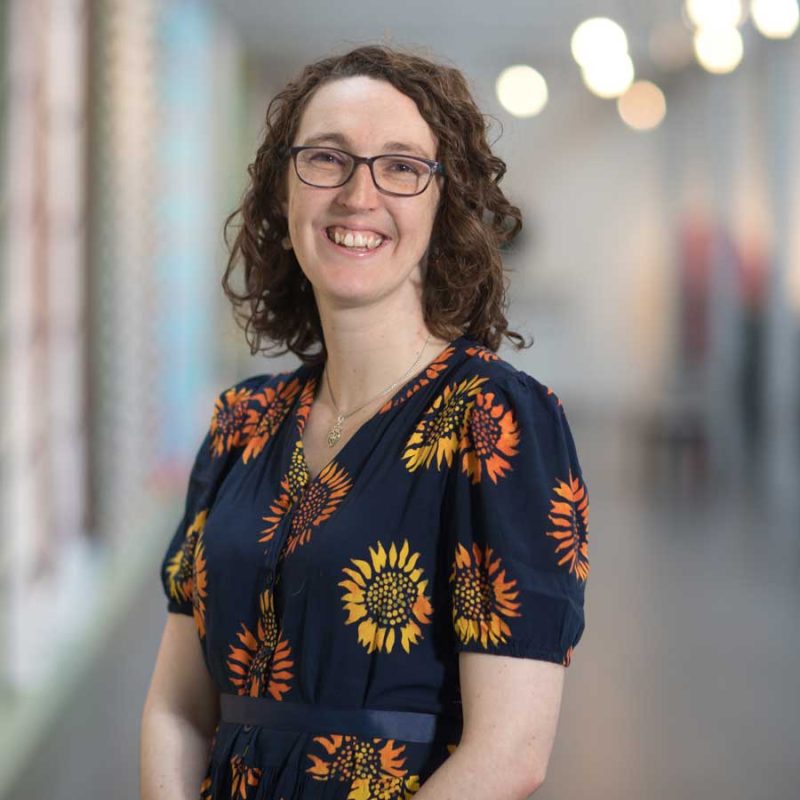
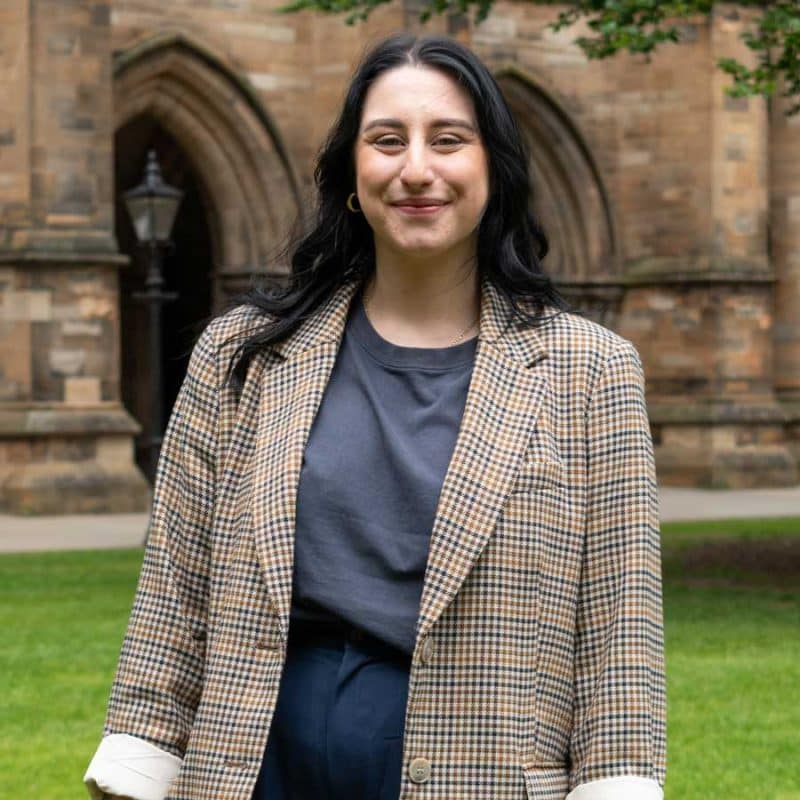
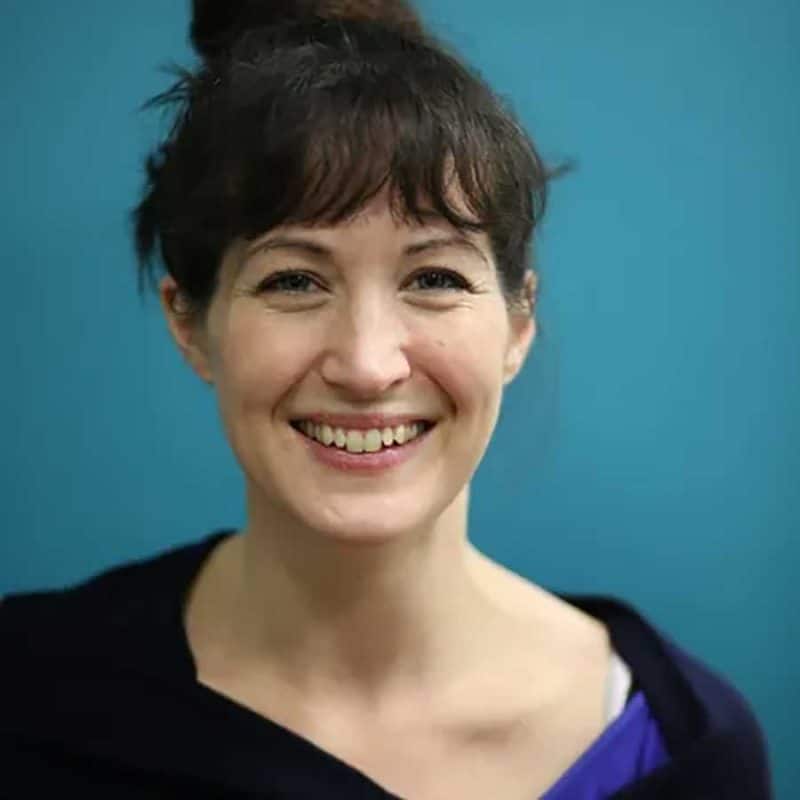
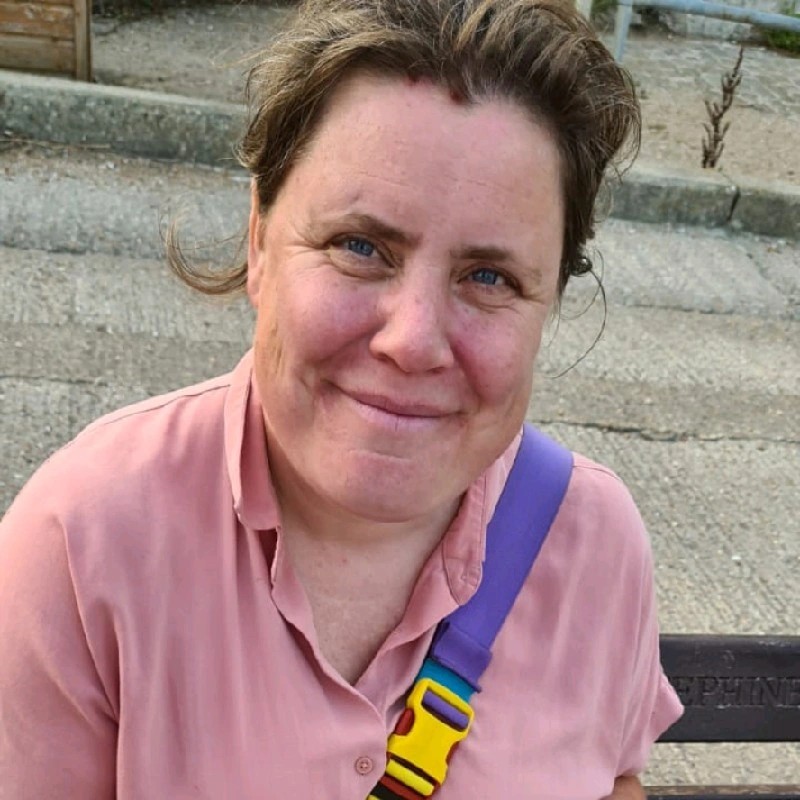
Lucy Evans and Lucy Neville write and facilitate climate and nature training for museums throughout Scotland. Their approach is to stop being too narrowly focused: climate is a complex, intersectional challenge, just like many issues within the sector, so let’s approach it that way. Their course helps museums find their climate story and use it to build organisational resilience. Join this session to hear how the Lucys empower people at every level of a museum team to plan and take action.
13:00 (GMT)
Project Carbon footprint - Tracking an exhibitions ecological footprint
How do we measure the success of an exhibition? By visitor numbers, press coverage and budget. At the Zeppelin Museum, we add one more criterion: the project’s carbon footprint, which we have calculated for four exhibition projects since 2023. This presentation outlines what we have learned in that time about materials, workflows and decision-making.
13:30 (GMT)
New display systems for sustainable museums
The nature of museum display is changing. New forms of audience engagement and sustainability aspirations are reshaping how institutions present their collections and how visitors encounter them. In this talk, James Pockson, Director of IDK, explores this shift through two projects. At V&A East Storehouse, a display system opens a working collection store to the public, making access the experience. At Tate Modern, the refurbishment of a gallery in the Blavatnik Building shows how adaptive reuse and careful intervention can extend the life of existing spaces. Together, these case studies illustrate bold thinking in gallery and display design and point towards the future of the field.
Speakers
14:00 (GMT)
Keeping the Radiators, Losing the Carbon
How do you decarbonise historic buildings without compromising the heritage you are trying to protect? Amgueddfa Cymru has reduced natural gas use by 47%, eliminated LPG heating and moved four of its eight sites away from fossil fuel heating. Along the way, we’ve installed heat pumps while retaining original radiators, tackled the very different challenges presented by historic sites, and learned plenty about what works and what doesn’t. This session shares the practical lessons behind the numbers: how we prioritised projects, the challenges we encountered, and what we would tell another museum starting the same journey.
Speaker: Victoria Hillman, Amgueddfa Cymru – Museum Wales
14:30 (GMT)
Break
15:00 (GMT)
In the loop - how museums are adopt circular practices
Changing process to reduce carbon emissions and waste can feel overwhelming and even stressful. This talk shows how museums are doing it in practice, and how they got there.
15:30 (GMT)
How can a conservation laboratory be made greener?
Are you a conservator or the head of a conservation lab, and have you always wondered how to be more sustainable? Then this presentation is for you!
A case study on the relocation of a photographic conservation laboratory, planned with environmental sustainability in mind, in the hope of helping other departments dedicated to heritage conservation to embark on a transition towards greener conservation. The presentation will focus in particular on the topics of architectural and climate management, resource and waste management, and the main obstacles that may arise.
Speaker: Agnès Gall-Ortlik, City of Paris
16:00 (GMT)
The Impact of Heatwaves: Summer 2026
An Arts Council England survey carried out after the summer 2026 heatwaves suggests that extreme heat is already having operational impacts across the cultural sector, affecting staff, visitors, finances and organisational resilience. Of the 296 creative and cultural organisations that took part, 96% reported being affected by the heatwaves, and one third of respondents were museums.
Join Arts Council England’s Environmental Responsibility team as they take you through the headline findings from the survey, alongside insights specific to museums and collections. Expect to hear about the operational and financial impacts of extreme heat, and how organisations can prepare for it in future.
Speakers

16:30 (GMT)
TBC
17:00 (GMT)
Collaborating for Collective Climate Action in Los Angeles
How do five very different cultural organizations in Los Angeles collaborate to reduce their climate impact? Find out why and how a gallery, a university museum, a contemporary art museum, a comprehensive county art museum, and a multifaceted cultural institution (with two museums, research and conservation institutes, and a foundation) worked together to develop a collective climate action statement on implementing the Bizot Green Protocol.
Speakers: Camille Kirk, Sustainability Director, J. Paul Getty Trust; Kelsey Shell, Sustainability Strategist, MOCA; Cliodhna Murphy, Global Head of Sustainability, Hauser & Wirth
Day Two: 24 February 2027
12:00 (GMT)
Fixing Our Broken Planet
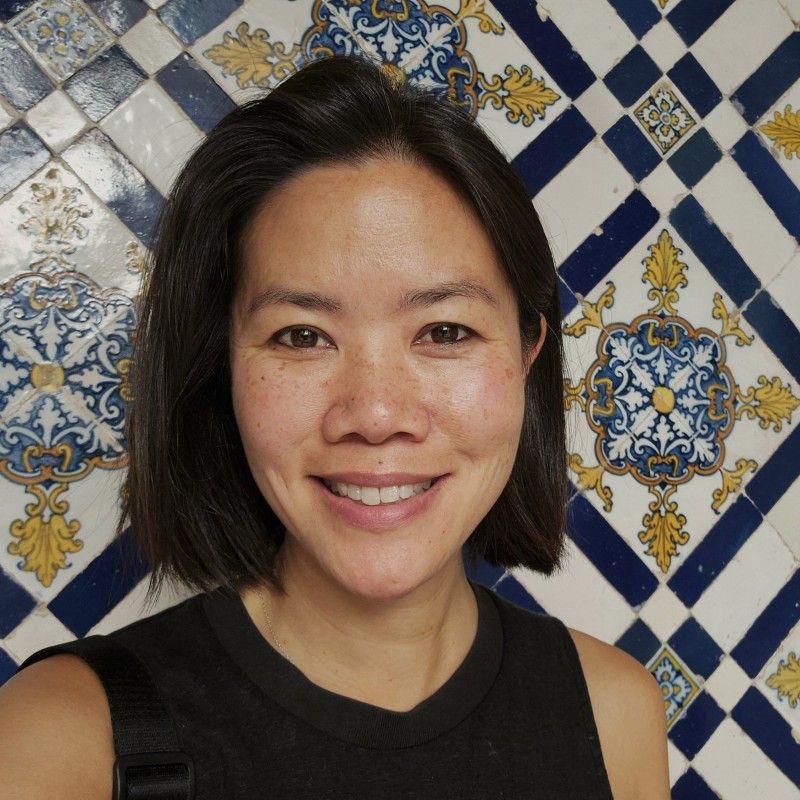
Fixing Our Broken Planet is a dynamic advocacy programme at the Natural History Museum, aiming to inform, inspire and empower people to connect with the natural world and take action for people and planet. Comprising a compelling gallery space, a free public programme of events and activities, and a growing national Community of Practice, it is the Museum’s boldest endeavour yet to meaningfully engage people with the critical challenges we face in the climate and nature crises, and to help them feel equipped and motivated to act for a healthier future.
Speakers
12:30 (GMT)
TBC
13:00 (GMT)
Beyond Climate Despair: The Power of Art
How can art help us move beyond climate despair and anxiety, and imagine a different future? Drawing on KGLU’s exhibition Wild Waters: In Search of Balance, this presentation explores collaboration between artists, firefighters and local communities, as well as the often-overlooked impact of extreme weather on cultural heritage, revealed through flood-damaged artworks. Bringing together 24 artists, the exhibition examines our fragile relationship with water, from disappearing glaciers and threatened ecosystems to water scarcity and pollution. By connecting local experiences of devastating floods with global environmental challenges, it shows how art can make environmental change tangible, challenge our sense of powerlessness, and inspire new perspectives, hope and more sustainable futures.
13:30 (GMT)
Spotlighting youth voice on the National Education Nature Park
On the National Education Nature Park programme, we’ve partnered with organisations, schools, colleges and nurseries England-wide to get nature, climate and community science into the heart of education. More than 1 in 6 schools and colleges have taken part in the last 3 years across England.
At NHM, we have explored novel, effective and ambitious ways of hearing young people’s thoughts on nature and Nature Park, embedding those themes into our work. We want to share methods from our Schools Forum, Youth Science Board and Further Education Student Survey to put youth voice at the heart of all our programmes.
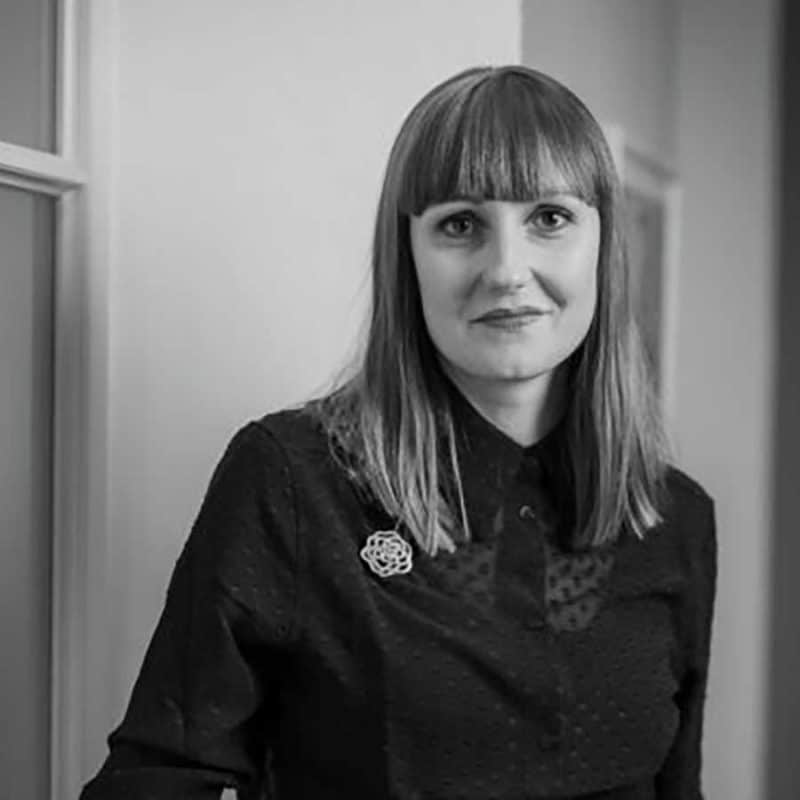
Speakers: Yogi Nagam and Giuliana Sinclair, Natural History Museum
14:00 (GMT)
Happiness Is Growing: Rewilding Relationships, Redistributing Power
In a world where invisible power structures can often hinder the greening of museums, how can a heritage of collectively tending the land not only help restore biodiversity across museum and heritage estates, but also radically activate communities into care?
Recognising that biodiversity is restored not by institutions but by people, learn how heritage and museum sites can decentralise power and support community-led biodiversity restoration through Grow Happy, a participatory arts and wellbeing intervention on the land flanking the world-class Sainsbury Centre for Visual Arts in Norfolk, UK.
Speaker: Ruthie Collins
14:30 (GMT)
Break
15:00 (GMT)
Planning a Children's Museum Sustainability Conference
Museum collections of all kinds can be an excellent starting point for discussions with children about sustainability, adaptation and biodiversity.
By working in partnership with the River Learning Trust, a local academy trust, Oxford University’s Gardens, Libraries and Museums (GLAM) were able to hold a Children’s Sustainability Conference that placed objects and specimens at the centre of the learning experience.
This session is an opportunity to find out more about the practicalities of organising a children’s sustainability conference and our objectives for the day, and to pick up tips on what to do – and perhaps what not to do!

15:30 (GMT)
TBC
16:00 (GMT)
The Climate Toolkit: A Collaborative Approach for Museums to Address Climate Change
Museums have an important opportunity to address climate change by working together, learning from one another, and sharing solutions. The free Climate Toolkit, now connecting 282 institutions in 31 countries, helps museums, gardens, zoos, and other cultural institutions accelerate climate action. By sharing experiences, successes, and lessons learned, institutions can build on one another’s progress rather than forging their own paths alone. Through meaningful action within their own operations, museums can also lead by example, demonstrating what is possible and inspiring visitors and communities to act. Together, cultural institutions can multiply their impact and help create a healthier future.
16:30 (GMT)
Chicago’s Climate Action Museum: Using In-Person Spaces to Inspire Hope and Tangible Action
Chicago’s Climate Action Museum (CAM) is one of just eight museums worldwide that is dedicated to encouraging human action to alleviate the effects of climate change.
CAM provides an in-person space for people to learn about, discuss, and plan climate action.
This presentation will cover CAM’s core philosophy, theory of change, and a discussion on where we are and where we’re going.
CAM was intentional about including “action” in our name. Every decision we make around our exhibits and programming is connected to helping our community realize their own agency for change.