Fresh ideas from museums around the globe in your inbox each week

The Cincinnati Museum Center, housed within the historic Union Terminal—a stunning Art Deco train station—is home to a natural history and science museum, a history museum, and a children’s museum.
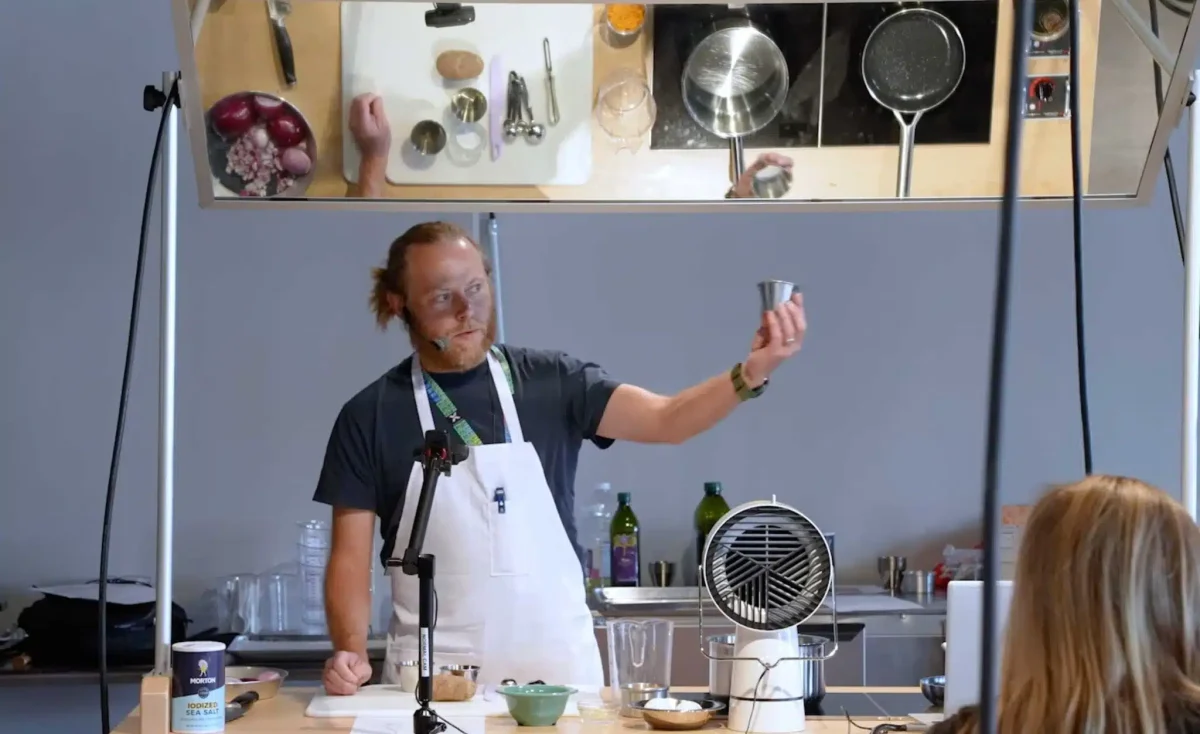
The Center’s teaching kitchen brings food-based learning together with collections and community partnerships. In Cooking Up Science, History, and Community in the Museum, Whitney Owens, Arynn McCandless and Brian Pollock described the research and operating arrangements behind it.
Food and Museums: A Recipe for Success
Led by Whitney Owens, who oversaw the research and strategic planning; Arynn McCandless, who spearheaded programme development; and Brian Pollock, who managed STEM integration, the team at the Cincinnati Museum Center has developed an innovative approach to engaging audiences through food-based programming.
The Cr(eat)e Culinary Studio, which opened in late 2023, features a fully equipped teaching kitchen—the Kroger Food Lab—offering an interdisciplinary space that blends science, history, and culture by integrating hands-on STEM activities, culinary traditions, and artefacts from the museum’s extensive collection. This approach ensures a rich and layered learning experience that bridges multiple disciplines.
This space is not only used for hands-on classes and events but also showcases objects and images from the museum’s extensive collection of six million artefacts and specimens.

Research-Informed Programming
The foundation of the initiative lies in peer-reviewed research. As Whitney Owens noted, “Cooking is a natural way to bring families together while sparking curiosity about science and maths.” In 2019, Owens became co-principal investigator for a $1.3 million National Science Foundation-funded project that explored family learning through cooking.
The research, conducted in collaboration with organisations such as Kent State University, COSI Centre for Research and Evaluation, and local food rescue group LA Soupe, aimed to test whether food preparation could engage families in STEM (science, technology, engineering, and maths) learning.
Cooking activities such as a popcorn experiment—designed to teach families how to conduct experiments by changing one variable at a time—highlighted how food could be a natural gateway to scientific inquiry.
Despite the challenges posed by the pandemic, the museum adapted its programming, pivoting to virtual workshops, distributing science kits, and collaborating with partners to continue engaging audiences. Arynn McCandless reflected, “The pandemic forced us to innovate quickly, and the results were some of the most rewarding experiences we’ve had with our audiences.”
These adaptations not only maintained connections with existing audiences but also introduced the museum’s educational initiatives to new participants. The virtual workshops expanded accessibility, while the distributed science kits allowed families to engage in hands-on learning from home, fostering curiosity and a deeper understanding of STEM concepts.
Museums and Food : Expanding Audiences
The Cr(eat)e Culinary Studio exemplifies collaboration. Partners such as Kroger and SSA Food Service have provided critical support, from funding to operational expertise. This partnership model also allowed the museum to navigate liability and licensing challenges, ensuring food could be safely prepared and served.
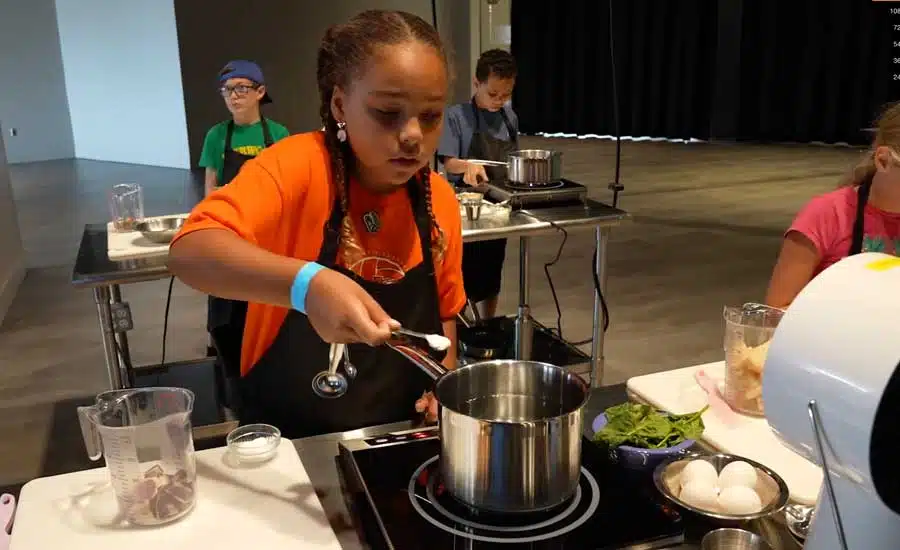
Programming in the studio extends beyond families. Free teen cooking classes, supported by philanthropic funding, engage at-risk youth, such as a group of local teenagers who learned to prepare healthy versions of their favourite meals while gaining confidence in the kitchen.
Brian Pollock shared, “Seeing teens discover their abilities in the kitchen while learning valuable life skills is incredibly inspiring.” Adult programming includes physician-led classes focusing on nutrition and mindfulness, with one recent class teaching participants to create gut-healthy meals while discussing practical lifestyle changes for better health.
These initiatives not only diversify audiences but also foster deeper connections with the community.
Tailored Offerings and Thematic Flexibility
The teaching kitchen’s flexibility enables the museum to align its programming with changing exhibits and community needs. Recent classes drew inspiration from the museum’s “Pompeii” exhibition, adapting ancient Roman recipes like pasta and honey cake for modern audiences.
This thematic approach connects directly to the museum’s mission by blending history and culinary exploration, offering visitors a unique way to engage with ancient cultures through hands-on experiences that resonate with contemporary interests. Summer camps, Junior Chef classes, and Homeschool Cooking Clubs further enrich the studio’s offerings, ensuring something for everyone.
Practical Lessons on Food and Museums
Embedding food-based programming in a museum setting comes with unique challenges and rewards. The Cincinnati Museum Center team has developed standard operating procedures (SOPs) to streamline class preparation, ensure safety, and minimise waste. From ServSafe certification to adaptable recipes and kid-friendly equipment, every detail has been carefully considered.
For museums considering similar initiatives, collaboration is key. Partnerships with local chefs, nutritionists, and community organisations can provide the expertise and resources needed to succeed. Additionally, food-based programming can generate new revenue streams, attract diverse audiences, and build stronger connections with communities.
The Power of Food in Museums
The Cincinnati Museum Center’s food-based programming demonstrates the power of using food to connect audiences with science, history, and culture. By integrating food into its educational offering, the Centre has created a unique space that invites participation, inspires learning, and fosters community.
For museum professionals seeking to explore similar initiatives, the Cr(eat)e Culinary Studio offers a valuable model. With the right ingredients—from funding and partnerships to innovative programming—food-based initiatives can help museums expand their impact and enrich the visitor experience.




