Fresh ideas from museums around the globe in your inbox each week

December 27 2024
 By Manuel Charr
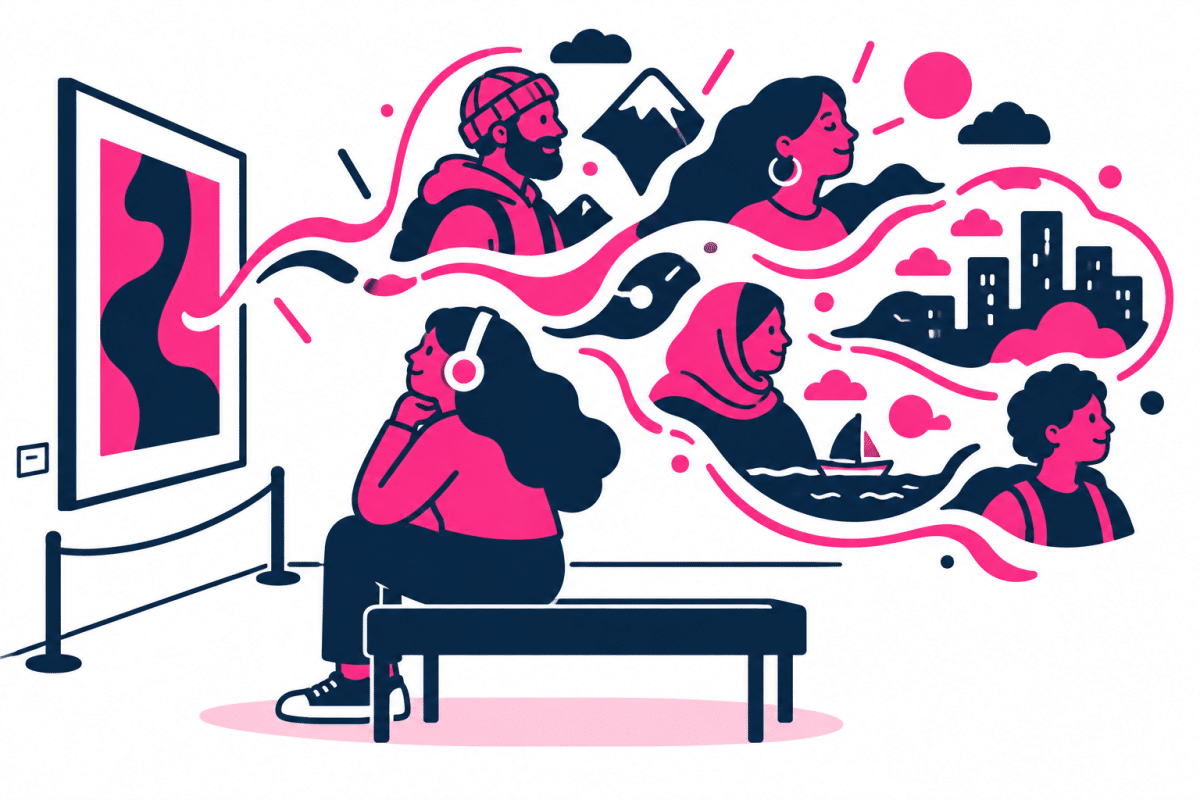
The Empathy Museum invites visitors to listen to personal stories while walking in shoes that belonged to their tellers. In her MuseumNext presentation, Andréa Buoro explained how InterMuseus adapted A Mile in My Shoes in Brazil and took it into schools.
Founded in 2015 by philosopher Roman Krznaric and directed by artist Clare Patey, the Empathy Museum develops participatory projects that invite people to consider the world through others’ experiences.
What Is the Empathy Museum’s Mission?
At its core, the Empathy Museum is driven by the belief that empathy can be a transformative force in both personal and societal relationships. The museum operates with a simple yet profound goal: to encourage people to step outside their own perspectives and experience the world from someone else’s point of view.
The project invites people to listen closely to a personal story while walking in shoes that belonged to its teller. The encounter is designed to encourage reflection and conversation.
How Does A Mile in My Shoes Build Empathy?
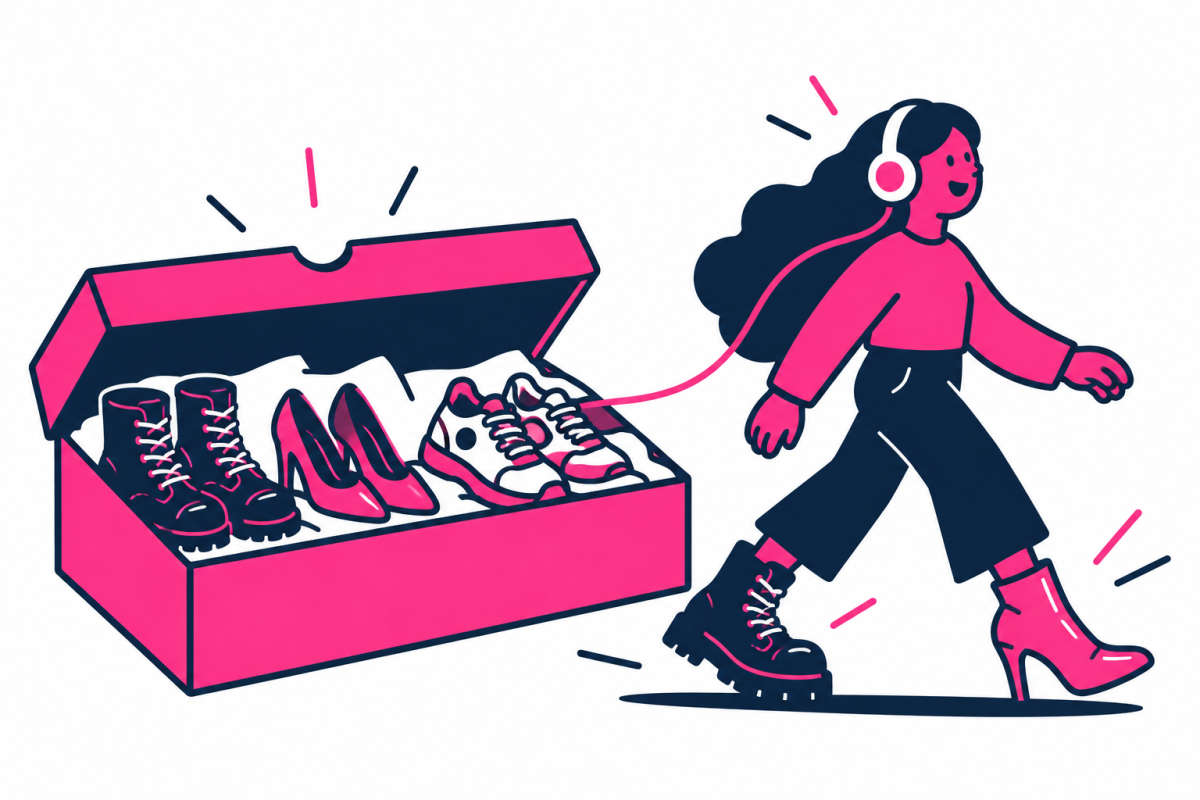
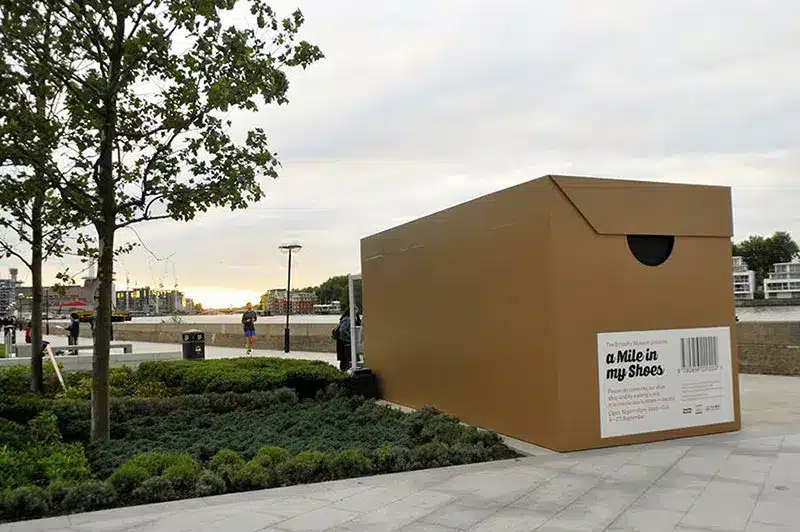
One of the Empathy Museum’s most celebrated projects is A Mile in My Shoes. The project invites visitors to literally walk a mile in someone else’s shoes while listening to their personal stories via headphones. Housed in a giant shoebox, the exhibit features a diverse collection of shoes and audio stories from people across different walks of life.
Participants might find themselves wearing the boots of a war veteran, the heels of a drag performer, or the sneakers of a refugee. Each step taken is accompanied by an intimate narrative, weaving together themes of love, loss, resilience, and hope.

Listeners bring their own experiences to the story, so the same recording can prompt different connections. The presentation describes conversations that continue when visitors return to the shoebox.
How Was A Mile in My Shoes Adapted for Brazil?
In Brazil, A Mile in My Shoes took on new life through a collaboration with InterMuseus, an organization dedicated to using culture as a tool for social change. Led by Andrea Buoro, the partnership resulted in a localized version of the project, featuring stories from Brazil’s diverse communities.
The Brazilian adaptation showcases narratives from people of different ages, genders, and social backgrounds. Stories range from a young girl confronting fatphobia to a man navigating ADHD in school and a woman facing prejudice after converting to Islam.
Speaking at MuseumNext, Andréa Buoro described working with human-rights organisations to gather stories from people with different backgrounds.
Taking the Project into Schools
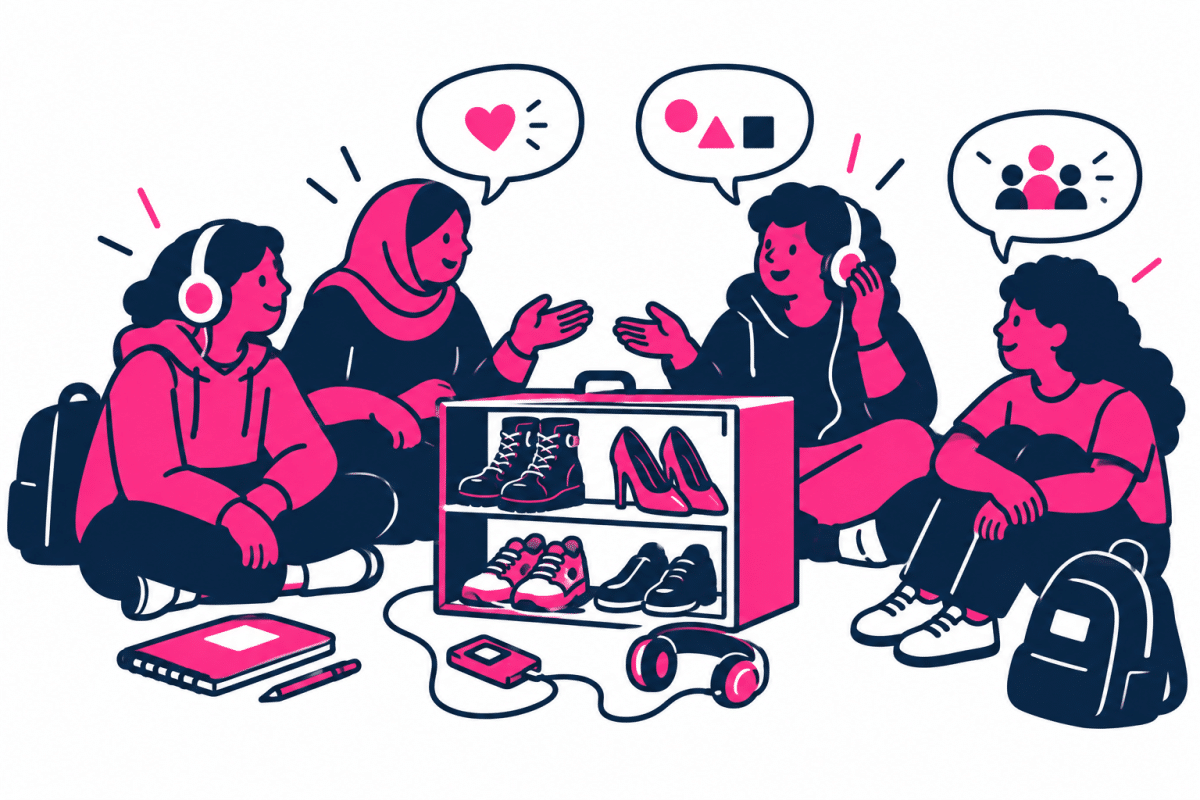
Buoro described more than 15,000 visitors across two exhibitions and around 3,000 written response cards. Those responses encouraged InterMuseus to take the project into schools. The team packed the shelves, shoes and headphones into a van, then developed classroom material when teachers and principals wanted to continue the conversations. For museums planning outreach, the useful detail is the connection between the encounter itself and the support offered afterwards.
Interest from teachers and principals led the team to develop resources for classroom discussion, drawing on Roman Krznaric’s work on empathy.
Stories and Conversation
The project uses personal stories to open conversations about shared experiences and differences.
What Other Museums Can Learn
The Brazilian adaptation connects a focused listening experience with practical support for what happens next. Portable equipment made school visits possible, while classroom material helped teachers continue the discussion.
For more information about the Empathy Museum and its projects, visit their official website.
The interviews on measuring social impact explore how museums can choose useful measures and act on what they learn.


About the author – Manuel Charr
Manuel Charr is a journalist working in the arts and cultural sectors. With a background in marketing, Manuel is drawn to arts organizations which are prepared to try inventive ways to reach new audiences.




