Fresh ideas from museums around the globe in your inbox each week

May 23 2024
 By Tim Deakin
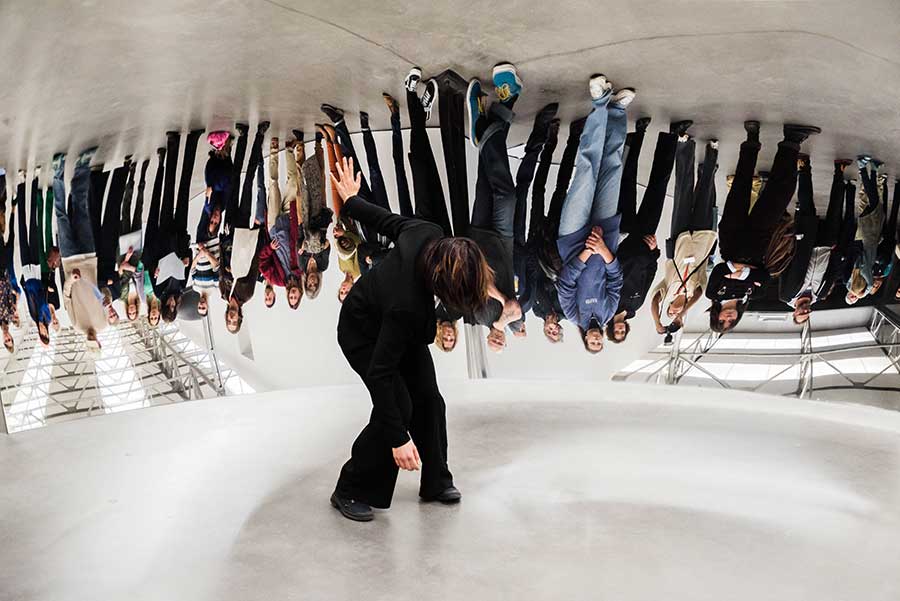
Photography: Seye Cadmus
Ischa Havens, Senior Manager of Education and Public Programme at De Pont Museum for contemporary art, shares how the museum’s monthly takeover project – PUNCH. – acts as a breath of fresh air in the cultural sector. By inviting cultural partners to react to themes of the museum’s main exhibition, and host their own programming within the museum, Ischa and his team bring people and art together in a way that feels wholly organic.
De Pont Museum for contemporary art is home to more than 1,000 works by approximately eighty nationally and internationally known artists. Situated in Tilburg, the Netherlands, the museum has continued to move with the times since opening in 1992, and PUNCH. is a prime example of how they do it.
An exhibition-led brief with room to respond
PUNCH. was devised as a monthly museum take-over, in which Education and Public Programme Manager, Ischa Havens and his team invite cultural partners to curate programmes to complement De Pont’s main, temporary exhibition. The explicit commission to create an in-depth programme works both ways: regular visitors are invited to look at the exhibition from a different perspective, while new audiences visit the museum, often for the first time.
The weekly workshop or event mentioned below was an earlier idea; PUNCH. developed into the monthly format described in this interview.
Compare this exhibition-led brief with City Sparks’ paid community partnerships, which invited local groups to explore a shared theme.
Photography: Seye Cadmus
Having worked as a museum educator, art mediator, and dance/theatre-maker for twelve years, Ischa is well placed to speak on how museums can work to bridge the gap between art and the community. Outlining the concept behind PUNCH. he says, “The team here developed an idea of a weekly workshop or event, where people could come to the museum and do almost anything. The main focus was to connect more with the city.
“Since I came on board, we’ve been working to give it more focus, and more of a framework.
“By really challenging cultural partners to dive deep into the themes the main exhibition artist draws from, the societal issues addressed in PUNCH. are never meant to feel forced. Instead they follow directly and organically from the museum’s wider artistic programme.”
Letting partners bring their own audiences
Ischa admits that, early on, the museum struggled with the sometimes contradictory obligations of community programming: to create a safe space for meaningful conversations, while also staying close and true to the museum’s artist-driven values. The main exhibition’s artistic programme and the ideas of the artist lead everything De Pont does, and because of that, as Ischa says, there was a danger of public programming becoming a tick-box exercise:
“Like many modern museums we understand the value of including important societal topics in our public programmes. While issues such as decolonisation and queer narratives are rightly finding a place in programming, we are also mindful of the risk of simply ticking boxes and forcing themes into our programming when it doesn’t feel authentic.”
PUNCH. has given De Pont a way of creating a meaningful programme that allows the organisation to stay true to its artistic values, while engaging with the wider community in a way that feels organic and authentic.
Photography: Seye Cadmus
“With PUNCH., we set out to make inclusion intuitive. The synergy between the important topics being discussed, the voices being heard, and the art on display makes it feel not only necessary, but natural.”
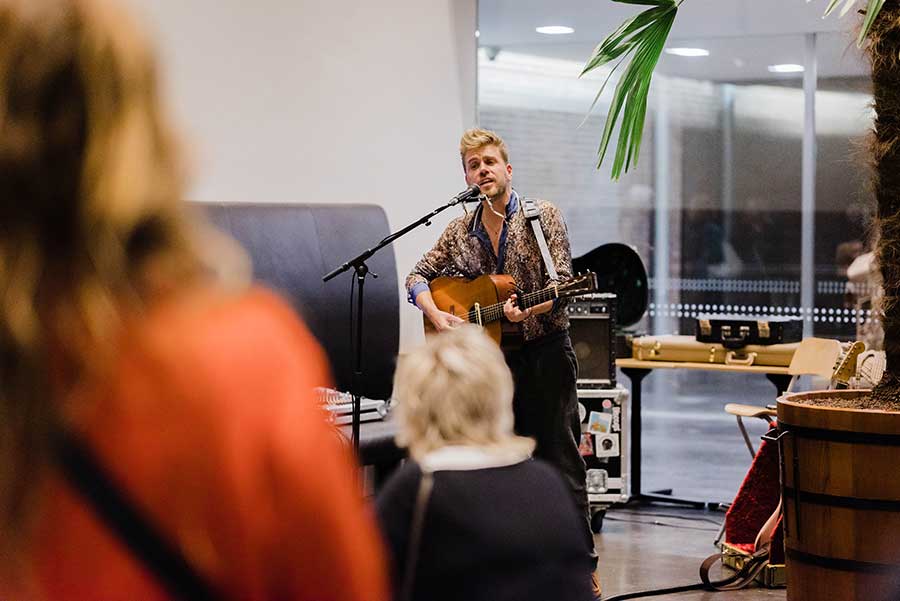
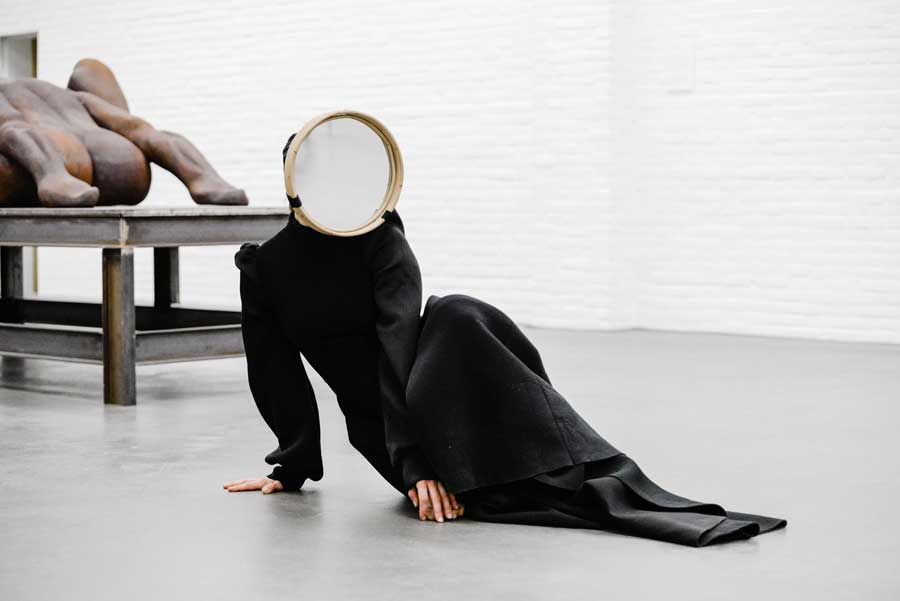
PUNCH. programming is as varied as it is enthralling, and this achievement starts with a no-holds barred approach to pitching. Potential partners are invited to pitch their ideas for a museum takeover, and are encouraged to get as creative as possible. They can use every corner of the museum, invite any type of performer, musician, or lecturer, as long as it reflects on the themes of the main exhibition.
Each cultural partner has their own political agenda, so they are driven to different aspects of the artistic programme and are challenged to find a connection with the main artist. Their reaction can strengthen, question, counteract, or follow naturally from the current show.
Photography: Seye Cadmus
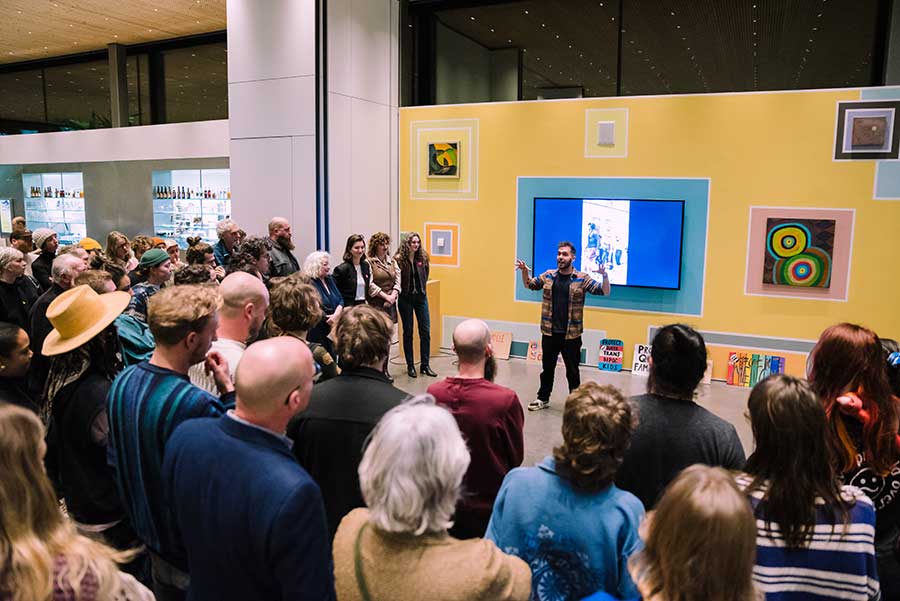
Ischa says, “Once we have a few pitches, Martijn [van Nieuwenhuyzen, the museum’s director and chief curator] and I start piecing together a varied picture, like a tapestry. We want a range of partners, focuses, and themes, as this is what keeps things interesting for us and for visitors.”
An evening of substance in Tilburg
Ischa recalls how, after one of the first PUNCH. events in Tilburg, visitors contacted the museum to say they were “so happy” they didn’t need to travel all the way to Amsterdam or the Hague for an “evening of substance.”
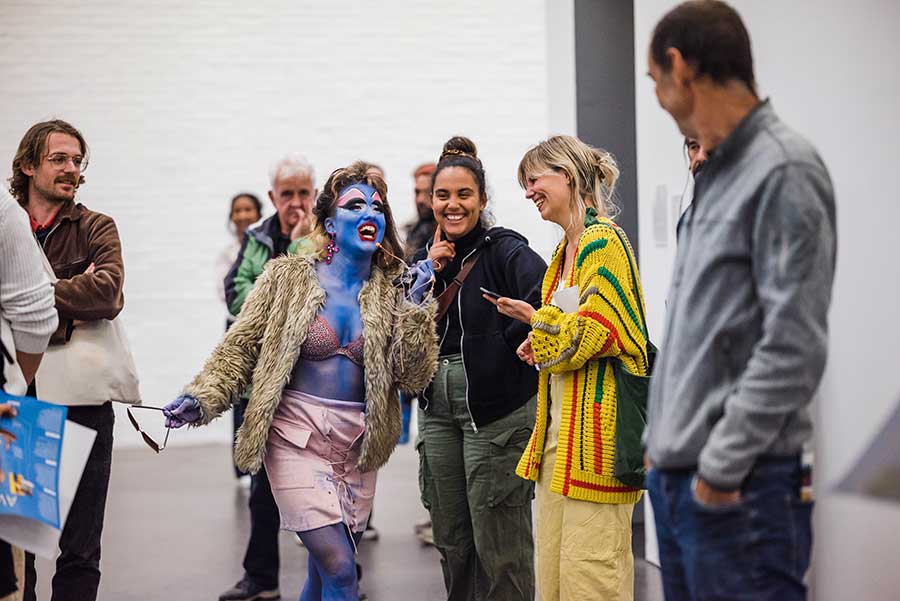
At the time of the interview, PUNCH. had hosted events including a Pride Walk with queer people and allies performing in exhibition halls, and a talk by Sakir Khader, a Palestinian-Dutch photographer about working in his homeland during this time of crisis. Both partners were reacting to Stan Douglas’ theme of ‘human in protest’ in the museum’s exhibition: 2011 ≠ 1848.
Ischa says, “We encourage partners to react to the theme and the artworks, but how they do that is up to them. They have that freedom. This is what keeps it authentic, and allows the work to even surprise us.”
Broadening horizons
At the time of the interview, the team had mainly worked with local partners. Ischa hoped to broaden the programme and described conversations with potential partners from outside the city, including STRP Biennale and Kunsthal Ghent.
Photography: Seye Cadmus
This, Ischa says, will allow PUNCH. to grow into an event of even greater quality and international stature, especially for regional audiences: “To start, we’re looking at partners from Amsterdam or the Hague, as well as Antwerp, Brussels, or Dusseldorf. There are so many local partnership opportunities in and around Tilburg, but now that we have found our feet, it would be exciting to expand our horizons and see how much more we can achieve by casting a wider net.”
Trusting the people you commission
PUNCH. gives partners a clear point of departure: the themes and works in De Pont’s main exhibition. The response can be supportive, questioning or challenging, and partners are encouraged to speak to the audiences they know. That combination of a shared subject and creative freedom is the useful part of the model for other museums considering a takeover.
For practical decisions about briefs and payment, see planning a creative commission.
“My advice for cultural institutions looking to implement something like PUNCH. would be to trust your partners. Their work is important, and their voice should be heard. Artists and creatives work best when they are being constrained by higher forces, which is why we offer a theme, some food for thought, and then allow them to react to it in a way that feels natural and exciting to them.
“Trust that they come up with something meaningful for them and their audience. Allowing cultural partners to cater to their own audience, rather than telling them they need to cater to our audience, is part of what has made PUNCH. so successful. Every month, we’re welcoming a new group of visitors.”
MuseumNext hosts a range of in-person and online summits each year, covering topics such as digital collections, sustainability, social impact, learning and XR. Click here to find out more and book tickets.