Fresh ideas from museums around the globe in your inbox each week

October 05 2026
 By Manuel Charr
Incorporating food into museum programming offers a unique and dynamic way to engage audiences by connecting cultural heritage, history, and art through a universal human experience. Here are ten ideas for museum food programming, combining institutional examples with formats you could adapt:
Host Themed Supper Clubs
Themed supper clubs offer immersive dining experiences inspired by museum exhibitions. The Garden Museum in London has organized supper clubs featuring menus crafted around specific exhibitions, blending culinary arts with storytelling to create unforgettable evenings.
The wider experience of food-inspired museum events shows how menus can become part of interpretation.
Offer Historic Cooking Classes
Workshops teaching traditional cooking methods can transform museums into living history centers. The Food Museum in Suffolk, UK, runs seasonal classes where participants learn to make dishes like Christmas mince pies, offering hands-on insights into culinary traditions.
Curate Food-Focused Exhibitions
Exhibitions dedicated to food can explore its cultural, historical, and social significance. The Southern Food & Beverage Museum in New Orleans showcases the culinary traditions of the American South, illustrating how food shapes cultural identity through historical artifacts and multimedia displays.
Create Tasting Stations
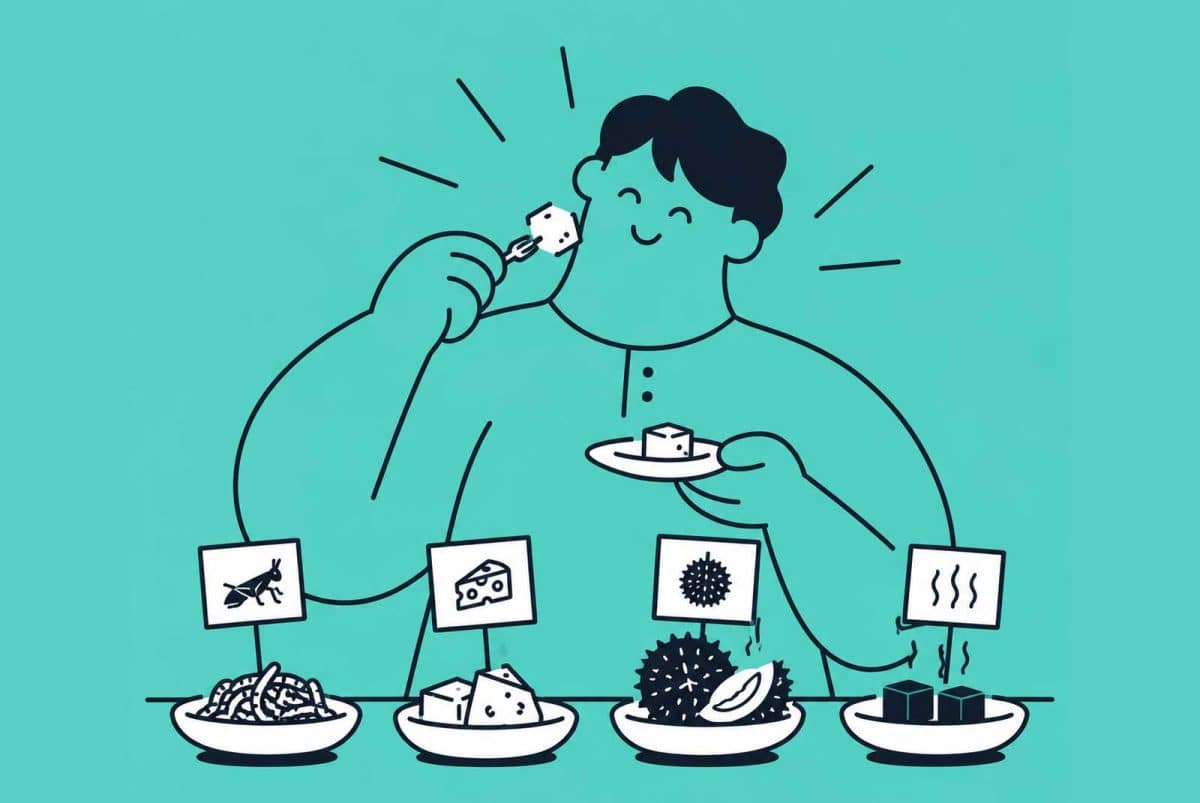
Tasting stations invite visitors to engage their senses and challenge culinary norms. The Disgusting Food Museum in Malmö, Sweden, features tasting areas where visitors sample unconventional foods from around the world, sparking conversations about cultural food perceptions.
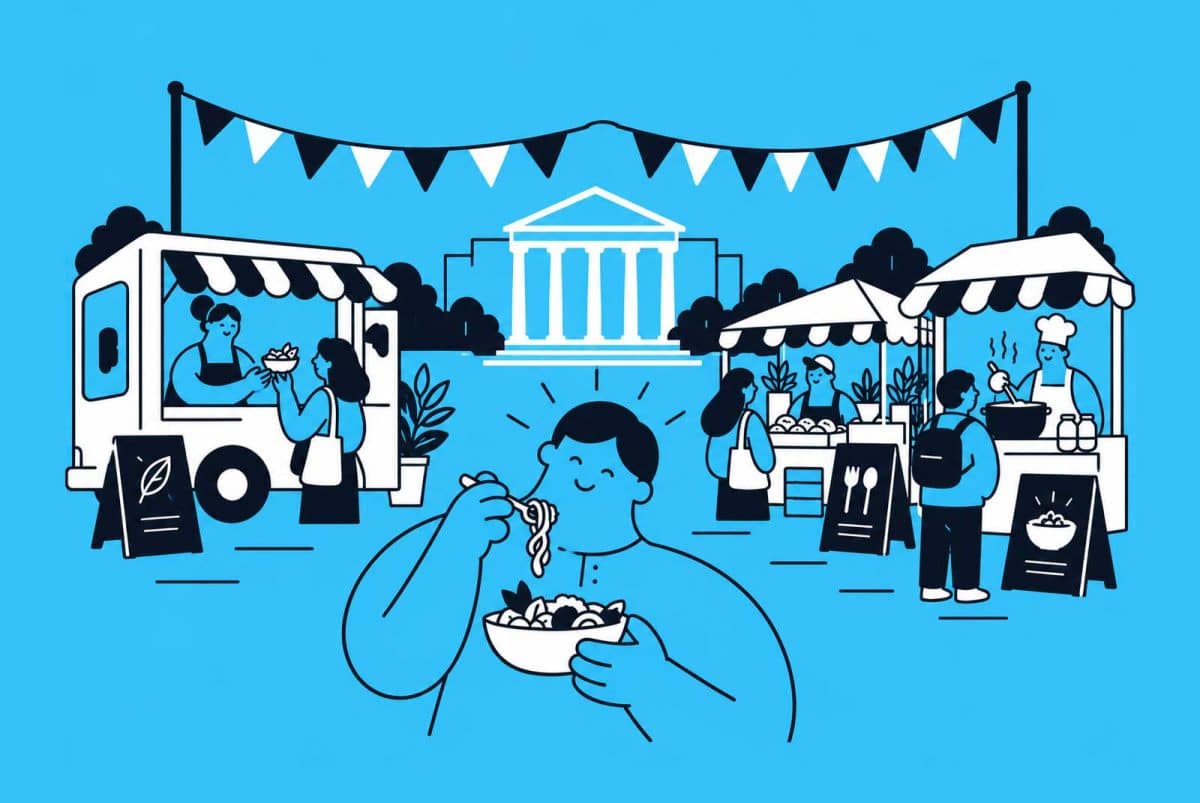
Host Food Markets or Festivals
Collaborating with local chefs and vendors for food festivals enhances community engagement. The Food Museum in Suffolk runs a Festival of Beer and Brewing with CAMRA, bringing food and drink into a programme rooted in the museum’s subject.
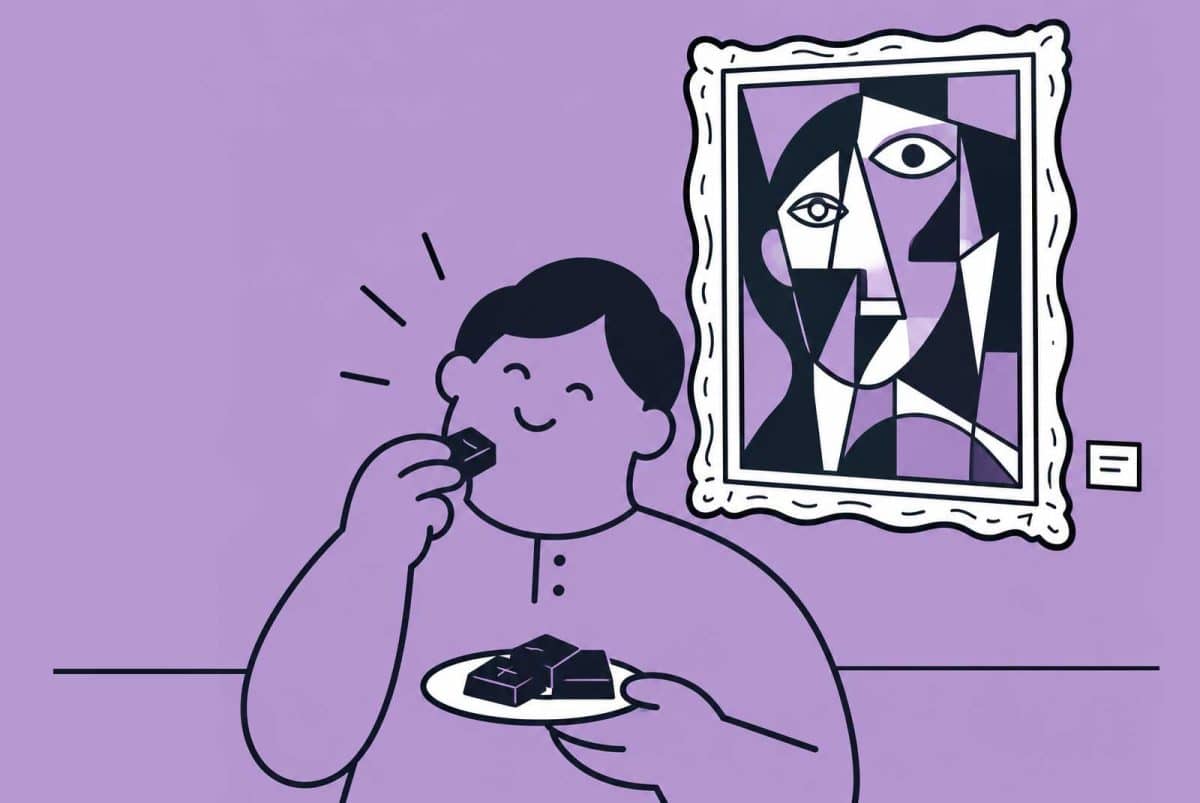
Run Food and Art Pairing Tours
Pairing artworks with culinary experiences creates multisensory tours. Imagine a museum tour where visitors taste chocolate while exploring art depicting cacao harvesting or sample wine while viewing still-life paintings of vineyards.
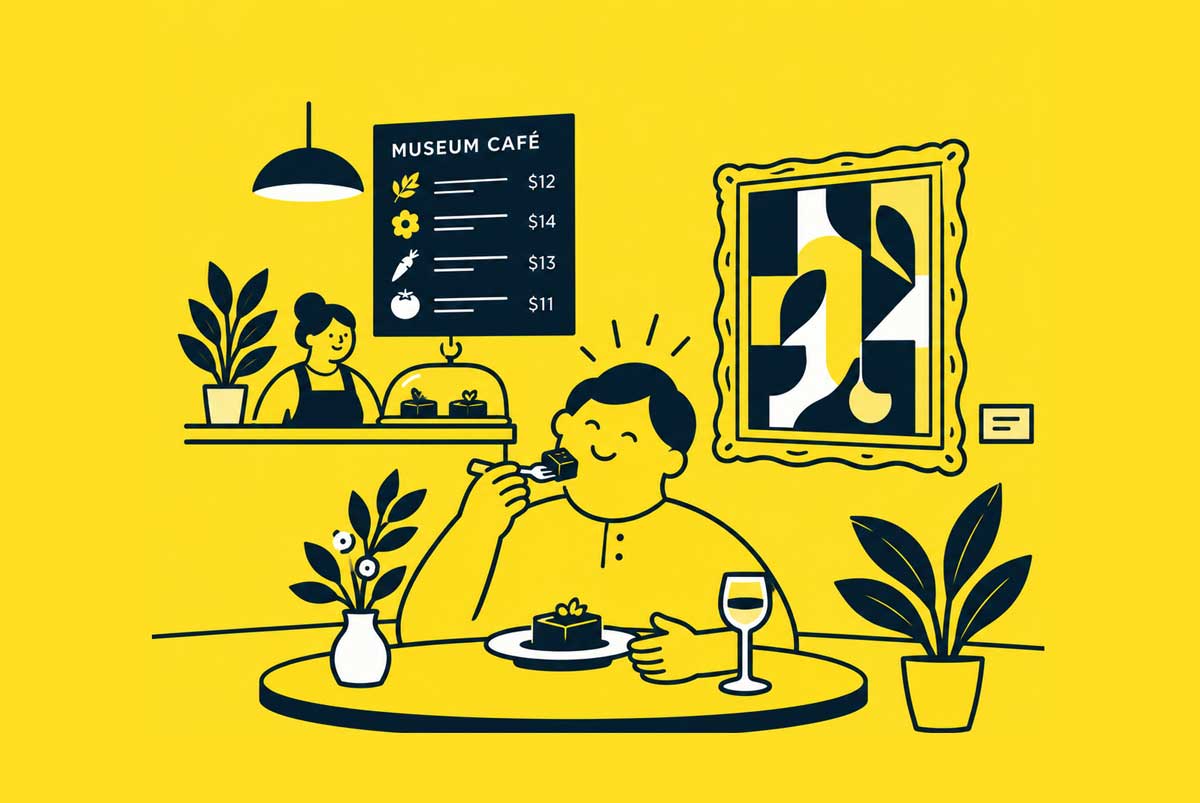
Develop a Café Menu Inspired by Exhibitions
Museum cafés can extend the thematic experience of exhibitions through thoughtfully curated menus. The Garden Café at London’s Garden Museum uses a daily-changing menu built around seasonal produce. It shows how a café can reflect an institution’s subject through its ingredients, even without a menu tied to a particular exhibition.
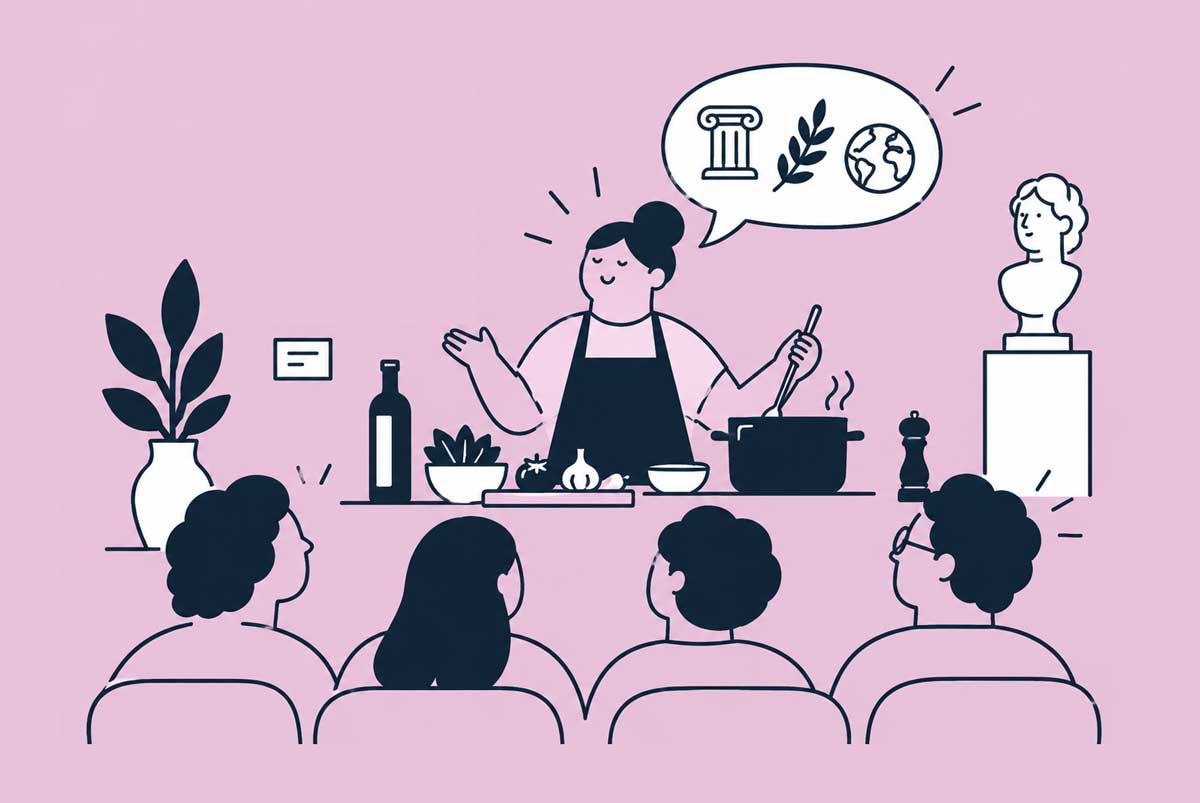
Launch Culinary Storytelling Nights
Storytelling events centered on food blend history, narrative, and live demonstrations. Cincinnati Museum Center’s food programming connects practical cooking with collections and family science learning.
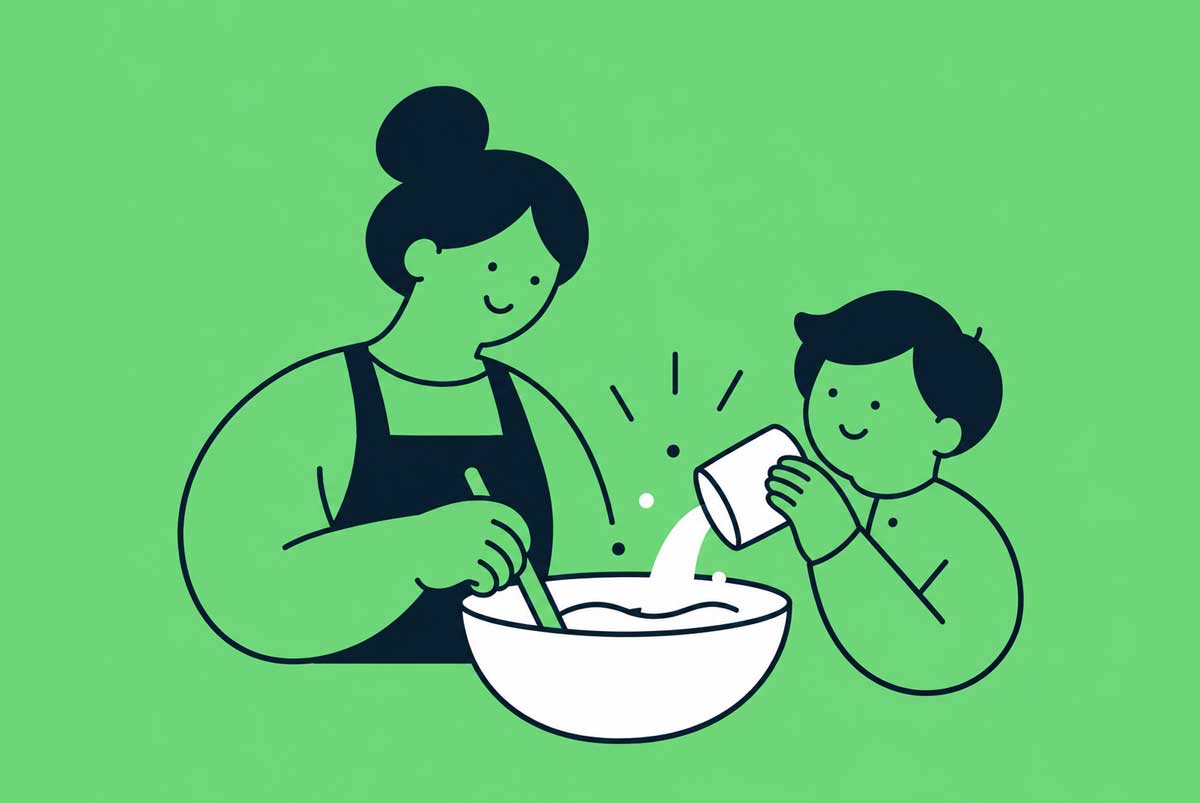
Offer Family Cooking Experiences
Interactive family-friendly cooking sessions foster intergenerational learning. The Food Museum’s workshops, such as baking traditional holiday treats, provide hands-on experiences that children and adults can enjoy together, creating lasting memories.
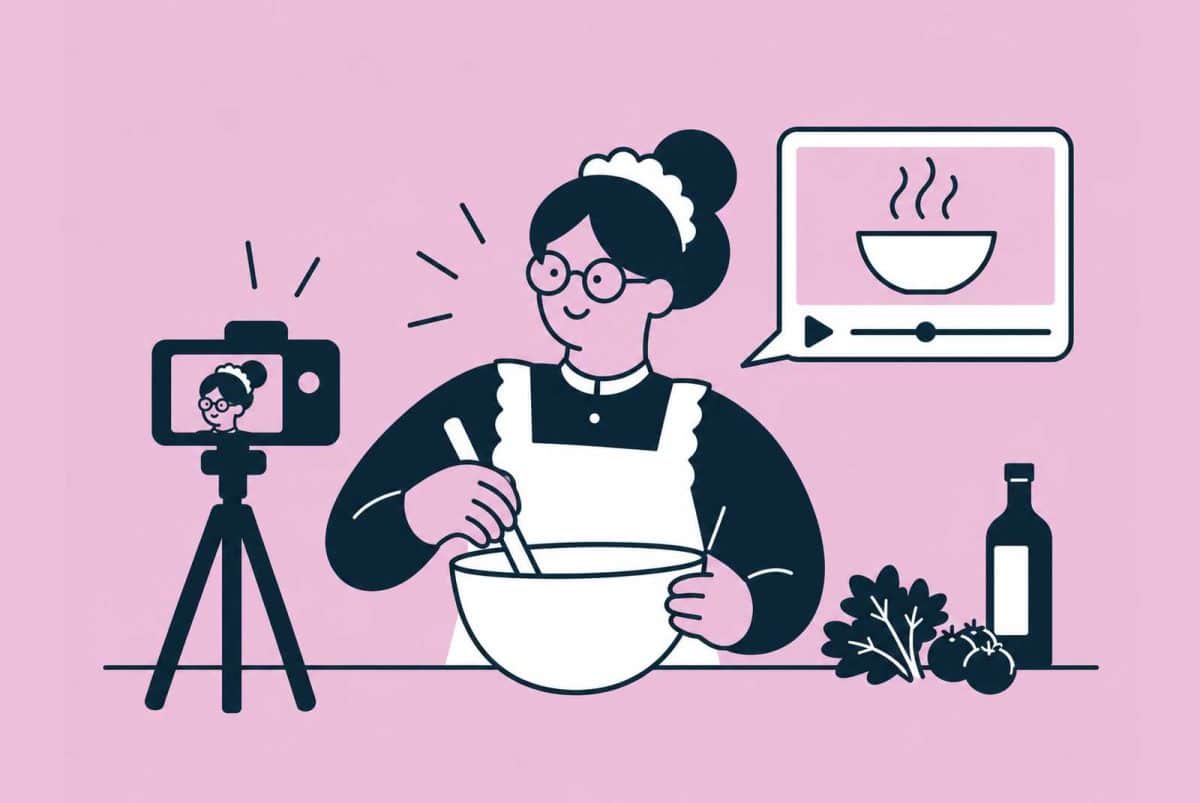
Create Digital Food Content
Online food programming can extend a museum’s reach. Audley End House in Essex, UK, developed The Victorian Way, a digital video series featuring historical recipes demonstrated by a costumed character portraying a Victorian cook. This initiative educates and entertains a global audience.
Why Food Programming Works
Food has an unparalleled ability to connect people through shared stories, traditions, and experiences. By incorporating culinary elements into programming, museums can engage visitors on sensory, emotional, and intellectual levels. These formats can offer new ways into a collection, provided museums plan for dietary needs, different relationships with food and the practical demands of cooking and serving it.
Start with one recipe or tasting that has a clear connection to your collection. Work out where preparation and eating can take place, how visitors will learn about ingredients and allergens, and who will handle cleaning and storage. Offer a way to take part without tasting, too. A small session that your team can deliver well is a better starting point than a full festival.


About the author – Manuel Charr
Manuel Charr is a journalist working in the arts and cultural sectors. With a background in marketing, Manuel is drawn to arts organizations which are prepared to try inventive ways to reach new audiences.




