Fresh ideas from museums around the globe in your inbox each week

October 02 2024
 By Manuel Charr

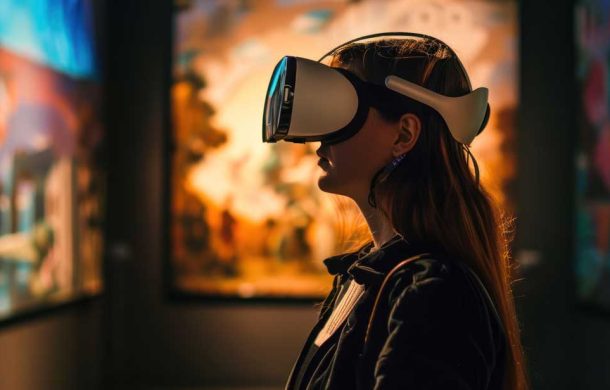
Virtual reality continues to push the boundaries of storytelling, and Sen is an example of how this technology can create deeply emotional and reflective experiences. Sen takes participants on a beautifully transcendent journey through a Japanese tea ceremony while exploring profound themes of life, death, and reincarnation.
The Art of the Japanese Tea Ceremony in Virtual Reality
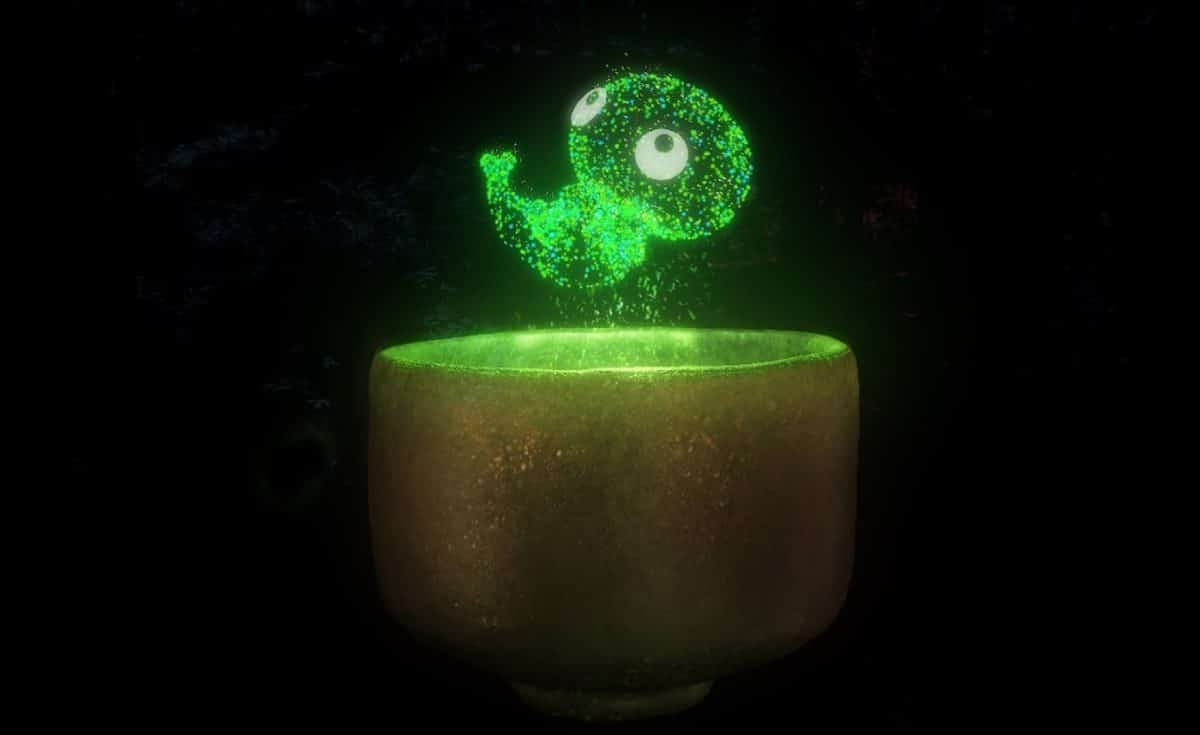
The Japanese tea ceremony, known as chanoyu or sado, is a ritualistic practice rooted in mindfulness, respect, and harmony. Traditionally performed in serene, physical environments, the ceremony has now been reimagined in the digital realm through Sen. This virtual experience preserves the essence of the ritual while using immersive technology to enhance its contemplative qualities.
In Sen, participants are not mere observers but active participants in a space where time seems to slow down. Each movement, sound, and gesture is intentional, echoing the meticulous attention to detail found in traditional tea ceremonies. From the placement of utensils to the sound of water being poured, every element is designed to evoke a sense of peace and presence.
View this post on Instagram
A Journey Through Life, Death, and Reincarnation
At its core, Sen is more than just a depiction of a tea ceremony—it’s a meditation on the cyclical nature of life. The experience takes participants through symbolic representations of birth, death, and rebirth, using the tea ceremony as a metaphor for these universal themes.
The ritual of preparing and serving tea becomes a mirror for life itself: a series of carefully considered moments, each carrying weight and meaning. The cyclical process of brewing, pouring, and drinking tea reflects the eternal rhythm of existence, reminding participants of the beauty found in fleeting moments.
Designing an Immersive Emotional Experience
Creating an emotionally resonant virtual reality experience requires a delicate balance of sensory elements. In Sen, sound design, visual aesthetics, and interactive components work in harmony to transport participants into a meditative space.
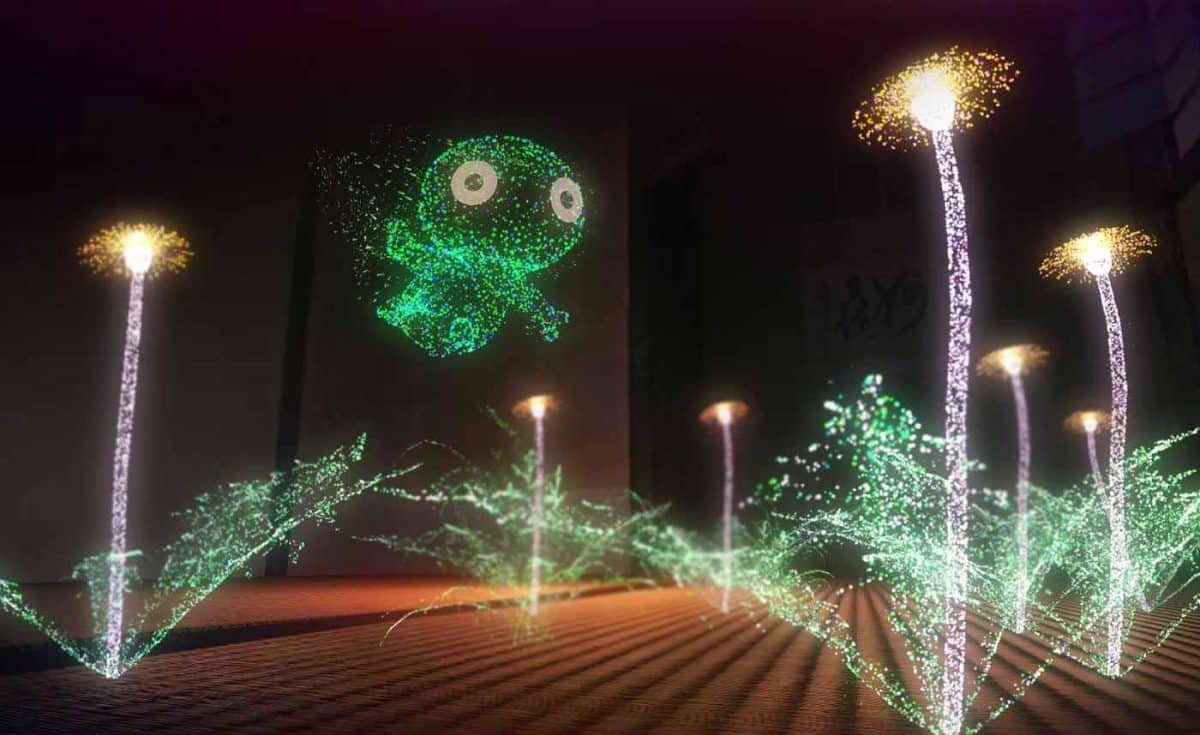
The minimalist visual style draws inspiration from traditional Japanese design principles, favoring simplicity and subtlety over grand spectacle. Meanwhile, the soundscape blends ambient sounds with gentle cues, such as the trickle of water or the soft clink of porcelain, guiding participants through the experience without overwhelming their senses.
This attention to detail ensures that Sen isn’t just an intellectual exercise—it’s an emotional journey. Participants often report feelings of calm, introspection, and even catharsis after experiencing the ritual.
Blending Tradition with Innovation
One of the most striking aspects of Sen is how it bridges the gap between ancient tradition and cutting-edge technology. While the Japanese tea ceremony dates back centuries, its principles of mindfulness, respect, and simplicity are timeless. Sen doesn’t attempt to replace or replicate the physical ritual; instead, it reinterprets it for a new medium.
The experience showcases the potential of virtual reality to not only preserve cultural heritage but also to introduce it to new audiences in meaningful ways. It serves as a powerful example of how technology can act as a conduit for tradition, carrying ancient wisdom into the digital age.
Reflection and Connection in the Digital Realm
In an era where digital experiences are often fast-paced and overstimulating, Sen stands out as a rare space for reflection and connection. It encourages participants to slow down, pay attention to small details, and find meaning in simple gestures.
This emphasis on mindfulness aligns with the philosophy behind the traditional tea ceremony. Every action in Sen carries significance, whether it’s the pouring of tea or the sound of a single drop hitting the surface of a bowl.
Sen at the ArtScience Museum, Singapore
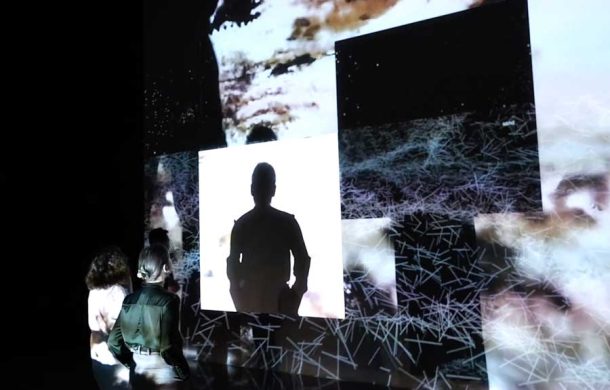
From 5 October 2024 to 2 February 2025, Sen will be exhibited at the ArtScience Museum in Singapore. Known for hosting groundbreaking exhibitions at the intersection of art, science, and technology, the ArtScience Museum provides an ideal setting for Sen. Visitors will have the opportunity to step into this meditative VR experience and explore the timeless themes of life and reincarnation in a deeply personal way.
The exhibition highlights the growing role of immersive digital experiences in cultural spaces, offering audiences an innovative way to engage with art and tradition. For visitors, Sen promises not only a technological marvel but also a space for quiet contemplation amidst the busy cityscape of Singapore.
For more details on the exhibition, visit the ArtScience Museum’s official page for Sen.
Lessons for Digital Storytellers and Museums
For museum professionals and digital curators, Sen serves as an inspiring example of how virtual reality can be used to create meaningful experiences. Beyond its cultural and philosophical layers, the project demonstrates the potential of VR as a tool for emotional and spiritual exploration.
Museums and cultural institutions looking to engage audiences in deeper, more introspective ways can draw valuable lessons from Sen. The project highlights the importance of intentional design, attention to sensory details, and a clear narrative purpose.
Final Thoughts
Sen is an invitation to pause, reflect, and connect with something greater than ourselves. By blending the ancient ritual of the Japanese tea ceremony with the immersive power of virtual reality, it creates a space for timeless reflection in a digital world.
In a rapidly evolving technological landscape, Sen reminds us that innovation is not just about what we can create, but also about how we can use technology to deepen our connection to tradition, to ourselves, and to the world around us.


About the author – Manuel Charr
Manuel Charr is a journalist working in the arts and cultural sectors. With a background in marketing, Manuel is drawn to arts organizations which are prepared to try inventive ways to reach new audiences.