Fresh ideas from museums around the globe in your inbox each week

January 25 2022
 By Manuel Charr

In a world where teenagers face unprecedented levels of anxiety, stress, and emotional turbulence, museums are emerging as unexpected sanctuaries for mental health and well-being.
The J. Paul Getty Museum in Los Angeles has taken a bold step in addressing this crisis through their groundbreaking programme, Art Impact. This multi-visit education initiative isn’t just about art appreciation—it’s about giving young people the tools to slow down, reflect, and find calm in a chaotic world.
In their presentation at the Museums, Health & Well-Being Summit, Lilit Sadoyan, Museum Educator, and Brittany Prieto, Education Specialist for Youth Programmes, revealed how Art Impact is transforming the way teenagers engage with art, themselves, and their peers. Their story offers powerful insights for museums worldwide.
Why Museums Are Perfect Spaces for Healing Minds
Mindfulness practices, characterised by focused attention, presence, and non-judgemental awareness, align seamlessly with the experiences museums naturally offer. Visitors enter museum spaces with the intent to slow down, observe, and reflect. For young people navigating the pressures of adolescence, these spaces provide an invaluable respite from external stressors.
Sadoyan highlighted how museums are inherently contemplative spaces. “Our goal is to open up our audiences to new possibilities through art viewing and mindfulness by offering spaces and practices for exploration, self-discovery, curiosity, and compassion.” For many participants in Art Impact, this programme was not only their first encounter with mindfulness but also an opportunity to experience art in a profoundly personal way.
Inside Art Impact: A Blueprint for Change
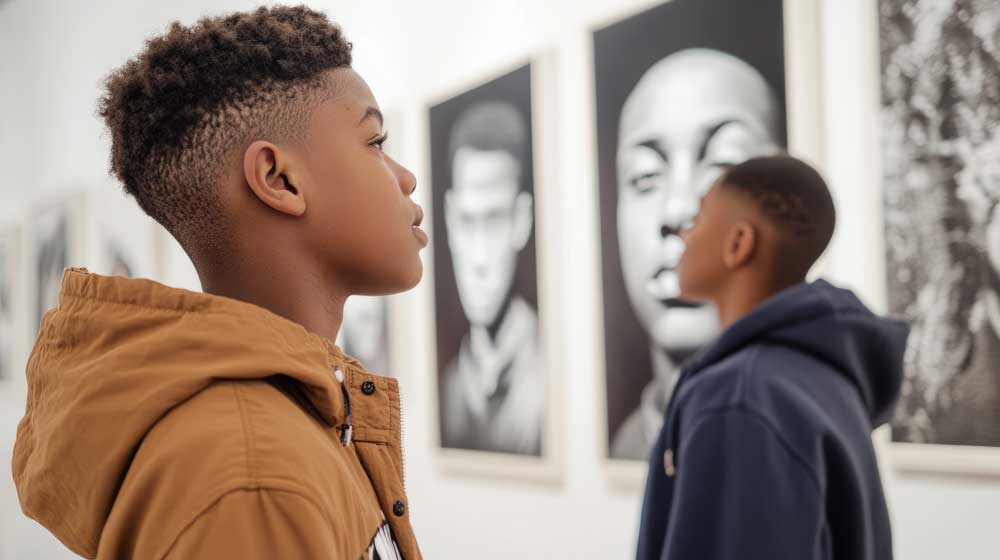
The Art Impact programme was carefully designed to unfold over eight consecutive weeks, with each session building upon the previous one. Delivered in partnership with artworxLA, a non-profit organisation serving at-risk youth, the sessions combined mindfulness exercises, guided art exploration, and reflective practices.
Each session followed a consistent structure:
- Arrival and Grounding: The group would gather in a quiet space to begin with a mindfulness activity, such as breathing exercises or body scans.
- Gallery Exploration: Participants engaged in focused, mindful looking exercises paired with specific artworks.
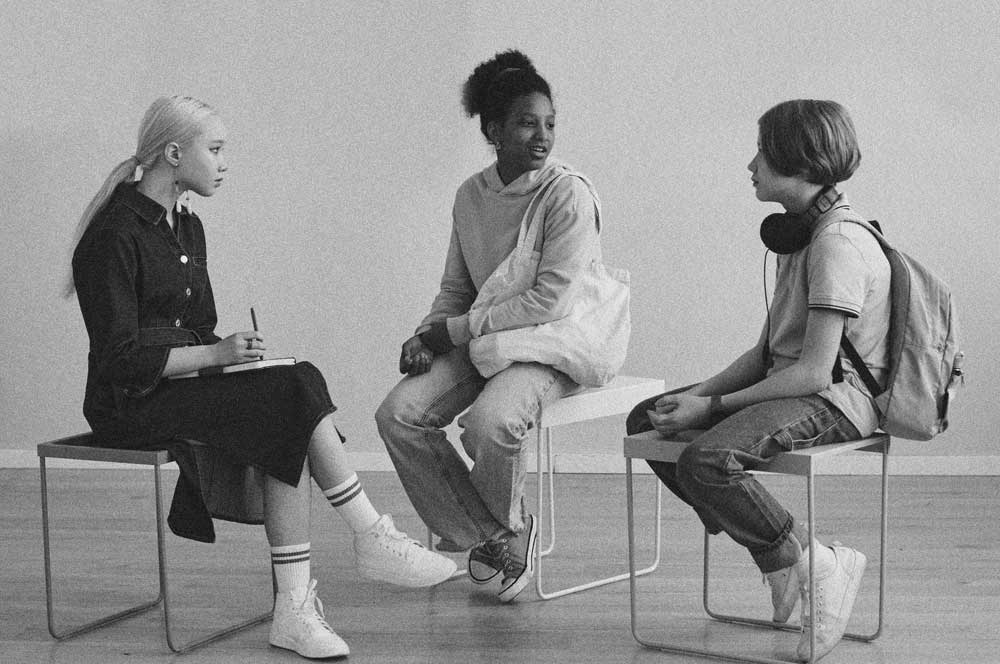
- Reflection and Sharing: Each session concluded with a group discussion and journaling activity to process their experiences.
The consistency in structure created a safe and predictable environment for participants, allowing them to build trust with facilitators, their peers, and themselves.
Collaboration: The Secret Ingredient to Success
One of the programme’s key strengths was the collaboration between the Getty Museum’s education team and artworxLA. This partnership was instrumental in recruiting participants and ensuring the sessions addressed the unique needs of the teen cohort.
Brittany Prieto shared, “The partnership with artworxLA allowed us to work with a cohort of teens who were already engaged in arts programming, creating a natural bridge to our mindfulness-focused curriculum.”
Collaboration extended beyond logistics. The Getty team worked closely with artworxLA educators to ensure mindfulness practices were culturally relevant, accessible, and adaptable to a diverse group of teenagers.
From Van Gogh to Inner Peace: Mindfulness in Action
Each week, the participants engaged deeply with a different artwork from the Getty’s collection. These were not passive viewing experiences; rather, the teens were guided through immersive mindfulness exercises designed to foster emotional connection and introspection.
For instance:
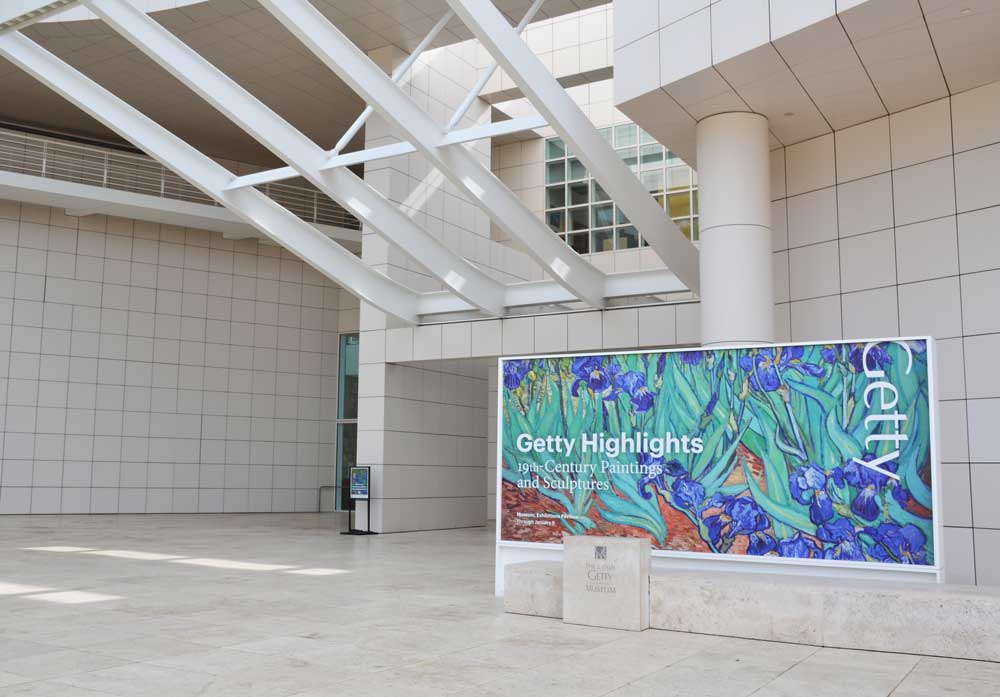
- Vincent van Gogh’s “Irises”: Participants imagined themselves as part of the painting, feeling the weight of the sun, the coolness of the soil, and the texture of the petals.
- Edvard Munch’s “Starry Night”: Teens participated in a blue light visualisation exercise, using the painting as a focal point for calm and clarity.
- Robert Irwin’s Getty Central Garden: The group engaged in mindful walking exercises, connecting their physical movements with their observations of nature and art.
These exercises were paired with discussions that encouraged participants to share their insights and emotional responses. The result was a space where teens felt seen, heard, and valued.
Measurable Impact: Real Results from Real Teens
From the outset, the Art Impact team prioritised evaluation. Surveys, focus groups, and participant reflections were woven into the programme to capture both qualitative and quantitative data.
The findings were striking:
- Participants reported reduced anxiety and stress.
- Increased comfort with self-expression and sharing personal reflections.
- Greater awareness of emotions, bodily sensations, and thought patterns.
- Improved focus, attention, and ability to manage overwhelming feelings.
One teen participant shared, “I used to look at art and just scan it quickly. Now, I slow down, notice the small details, and let myself really feel something.”
The benefits extended beyond the participants. Facilitators themselves noted increased feelings of calm, connection, and purpose from leading the sessions.
Lessons Every Museum Can Steal
For museums looking to replicate or adapt similar programmes, Sadoyan and Prieto offered several key takeaways:
- Timing Matters: Schedule sessions during quieter hours to ensure a peaceful environment.
- Create Safe Spaces: Both physically and emotionally, ensure participants feel secure and unobserved.
- Consistency is Key: Regular session structures foster trust and reduce anxiety.
- Start Small: Even brief mindfulness activities can have significant impacts.
- Invest in Partnerships: Collaborating with community organisations can enhance reach and relevance.
- Evaluate Thoroughly: Documenting outcomes strengthens the case for future funding and programme expansion.
Art Impact’s sequence of arrival, looking and reflection gave the Getty and artworxLA a shared structure to work with across repeated visits. Within that structure, a painting or the garden could provide a different focus each week. For museums planning a youth programme, this suggests developing the rhythm of a session with the partner organisation as well as selecting the artworks. Time for discussion and journaling then becomes part of the design, giving participants more than one way to respond to what they have encountered.
The principles of trauma-sensitive museum mindfulness offer further questions to consider when adapting these activities for a group.
Museums as Agents of Change
The aftermath of the pandemic has left young people grappling with unprecedented levels of anxiety, isolation, and uncertainty. Museums have a unique opportunity to step in and offer spaces where healing, growth, and connection can occur.
As Prieto noted, “These mindfulness tools don’t just stay in the museum. Participants shared that they brought these practices home, using them to calm their younger siblings or manage their own emotions in challenging moments.”
A Bold Vision for the Future
The Getty Museum’s Art Impact programme serves as a powerful example of how museums can move beyond traditional education models to address pressing social and emotional needs. By combining mindfulness with art exploration, the programme offered participants not just skills for the museum, but tools for life.
For museum professionals, the lessons from Art Impact are clear: museums are not just repositories of objects; they are spaces for transformation, resilience, and connection.
As museums continue to explore their role in community well-being, programmes like Art Impact offer a blueprint for what is possible when art, mindfulness, and intention come together.
–
This article is based on the presentation “Art Impact: A Multi-visit Museum Mindfulness Program for Youth” by Lilit Sadoyan, Museum Educator, and Brittany Prieto, Education Specialist for Youth Programmes at the Getty Museum at the Museums, Health & Wellbeing Summit 2023, organised by MuseumNext.


About the author – Manuel Charr
Manuel Charr is a journalist working in the arts and cultural sectors. With a background in marketing, Manuel is drawn to arts organizations which are prepared to try inventive ways to reach new audiences.