Fresh ideas from museums around the globe in your inbox each week

January 28 2025
 By Jim Richardson

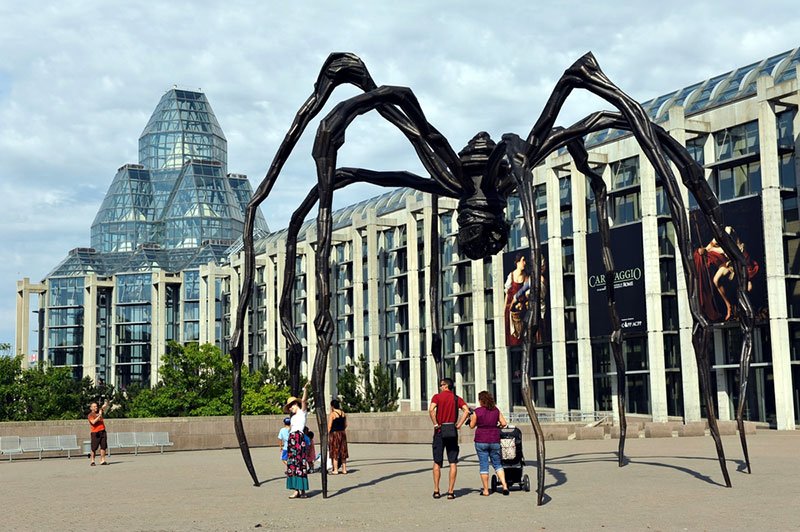
Museums are increasingly demonstrating their value beyond traditional cultural spaces, finding new ways to engage diverse audiences and contribute to professional development across sectors. A recent collaboration between the National Gallery of Canada and the Children’s Hospital of Eastern Ontario (CHEO) exemplifies how art museums can play a pivotal role in strengthening clinical soft skills and team cohesion within healthcare settings.
At the Museums, Health & Well-Being Summit, Andrea Gumpert, an art educator at the National Gallery of Canada, and Jessica Remedios, a healthcare professional from CHEO, shared insights from their partnership, which used Visual Thinking Strategies (VTS) to enhance team building and communication among healthcare professionals.
Art as a Catalyst for Collaboration
CHEO’s neurodevelopmental health team, a newly formed interdisciplinary group comprising behaviour analysts, social workers, child and youth counsellors, dietitians, psychologists, and psychiatrists, was looking for an innovative approach to improve collaboration and communication. Recognising the potential of VTS—an inquiry-based teaching method that encourages careful observation, discussion, and interpretation of artwork—the team reached out to the National Gallery of Canada.
VTS has been widely used in medical education to develop critical thinking and diagnostic skills. However, this collaboration sought to explore its impact on team dynamics and clinical soft skills. The goal was to create a non-clinical, neutral space where healthcare professionals could engage in thoughtful discussions, challenge their assumptions, and build mutual understanding—elements that are directly transferable to patient care.
The Study: Implementing VTS in Healthcare
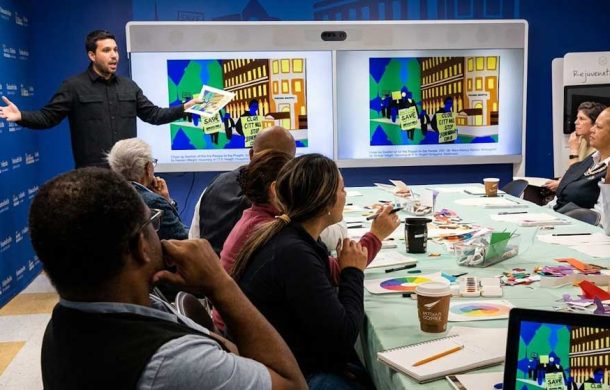
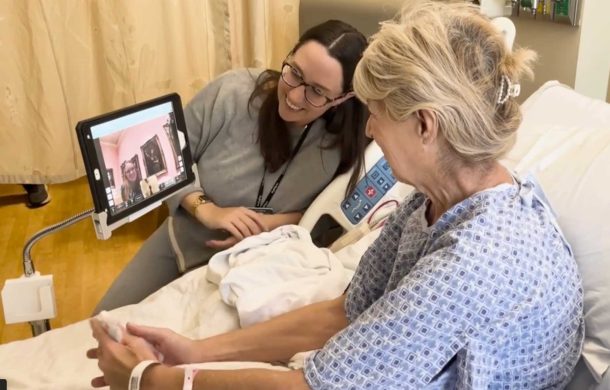
Over six months, the collaboration facilitated 15 VTS sessions with 101 participants. These sessions were delivered in three formats: in-gallery sessions using original artworks, digital reproductions in hospital classrooms, and virtual sessions via Zoom. Each session followed the core structure of VTS, with participants responding to three guiding questions: What’s going on in this picture? What do you see that makes you say that? What more can we find?
Participants completed pre- and post-session questionnaires to measure changes in observational skills, communication attitudes, and tolerance for ambiguity. Statistical analysis of the data showed significant improvements in critical observational abilities, particularly in applying reasoning, objective observation, and critical analysis. These findings highlight the value of VTS in enhancing the clinical skills required for patient evaluation and interdisciplinary collaboration.
Key Findings and Unexpected Insights
While the study found no statistically significant differences in overall communication attitudes or tolerance for ambiguity, trends suggested that participants who engaged with original artworks in the gallery were more likely to appreciate the value of strong communication skills. This suggests that physical engagement with art may deepen the impact of VTS, reinforcing the importance of in-person cultural experiences.
A particularly compelling outcome was the realisation that professional hierarchies were flattened during VTS sessions. Participants reported feeling more comfortable sharing their thoughts, listening to diverse perspectives, and considering alternative viewpoints—skills that are essential for effective teamwork in high-stakes healthcare environments.
Additionally, participants reflected on the broader impact of VTS on their professional practice. Many noted that the process encouraged them to slow down, actively listen, and remain open to different interpretations—practices that can enhance patient interactions and holistic care approaches.
Expanding the Role of Museums in Professional Development
This collaboration underscores the untapped potential of museums as sites for professional development across industries. By positioning the gallery as a facilitator of meaningful dialogue, the National Gallery of Canada extended its reach beyond traditional audiences and demonstrated the relevance of cultural institutions in real-world problem-solving.
For museums seeking to diversify their impact, partnerships like this offer a compelling model. VTS can be adapted to various professional contexts, from corporate leadership training to social services, demonstrating that art’s power extends far beyond aesthetic appreciation—it can shape the way we think, communicate, and collaborate.
As museums continue to explore innovative ways to engage their communities, initiatives like this serve as a powerful reminder that cultural spaces are not just repositories of history and creativity but also dynamic environments for learning, growth, and transformation.


About the author – Jim Richardson
Jim Richardson is the founder of MuseumNext. He has worked with the museum sector on digital and innovation projects for more than twenty years and now spends his time championing best practice through MuseumNext.