Fresh ideas from museums around the globe in your inbox each week

August 25 2026
 By Manuel Charr
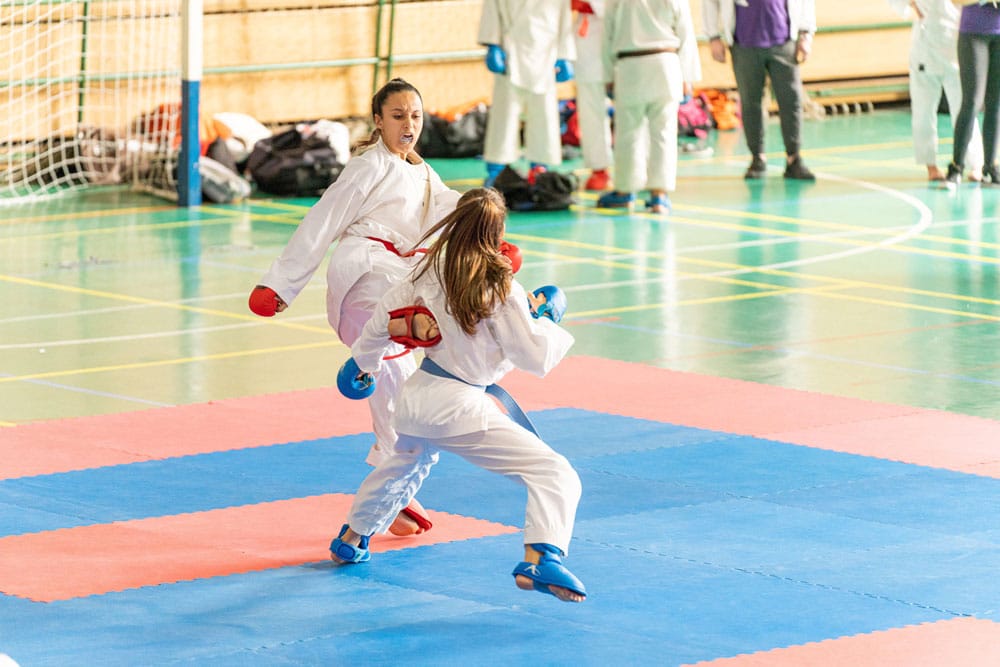
There is often a wide gulf between culture lovers and sports enthusiasts. In Antwerp, a hyperdiverse city where martial arts of every kind are widely practised, many practitioners have never set foot in a museum, and plenty of museum regulars have never set foot in a boxing gym. At MuseumNext, three speakers from the city explained how an exhibition is starting to bridge that divide.
Hélène De Pagie, a programme maker at the MAS (Museum aan de Stroom), was joined on stage by Rachid Atia of the Heritage Lab and Jamal Touala of Sporting A, the city’s sports department. Together they told the story of the Martial Arts exhibition, which has brought fighters, wrestlers and boxers into one of Antwerp’s most prestigious cultural spaces, and museum visitors into a world many of them had never given much thought.
An exhibition with local roots
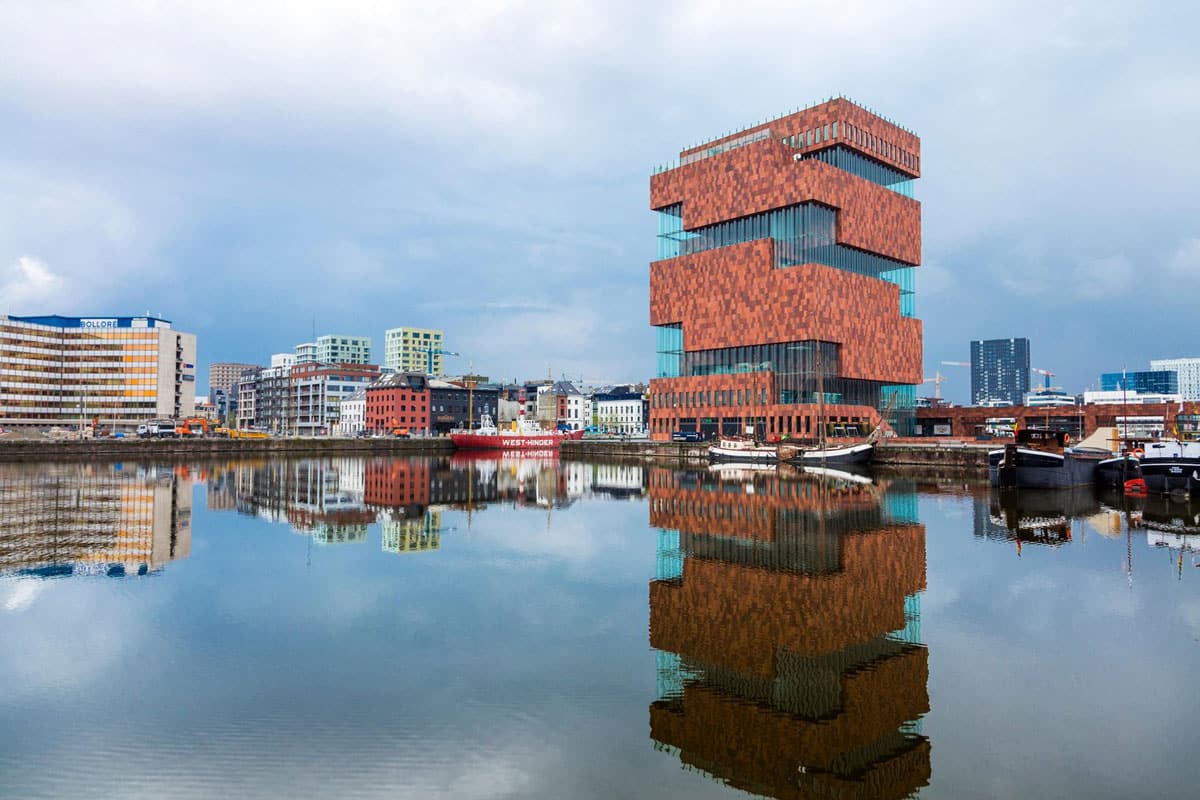
The MAS is an international, innovative museum that explores the connections between people and collections from all over the world. Its holdings span art, history, the culture of Antwerp’s port, and international trade and shipping. The Martial Arts exhibition was taken over from the Wereldmuseum in Amsterdam, which had done extensive research into the global history and diversity of martial arts.
Rather than simply installing the Amsterdam show, the MAS team saw an opportunity. Antwerp has a rich martial arts tradition, particularly in boxing and wrestling, yet as Atia explained, that story had never been told, despite the city being home to a remarkable number of clubs and disciplines. So the team enhanced the exhibition with images and stories that reveal the hidden world and heritage of Antwerp’s own martial arts scene.
Heritage is the key word here. People don’t usually associate martial arts with it, but the team came to see martial arts communities as heritage communities par excellence. These are groups built on generations of transferred knowledge, philosophy, techniques and moral codes. Framing them this way was a new approach, and it gave these communities a place in the city’s heritage landscape for the first time.
A collaboration between two worlds
The project rested on an unusually close partnership between the city’s culture and sports departments. Touala had previously helped develop Antwerp’s martial arts policy, a process that directly involved the city’s 120 martial arts clubs. That groundwork proved invaluable. The sports department already knew the clubs, their board members and their trainers, so when the exhibition idea came along, the clubs were motivated to take part.
The real challenges lay elsewhere. Fitting a landscape of 120 clubs into a single exhibition required difficult choices, which the team resolved by focusing on both the history and the present of the local scene. And because Belgian sport runs largely on volunteers, the professionals had to respect the limited free time of people who run clubs alongside full-time jobs. The work had to happen at a comfortable pace rather than a fast one.
Atia credited Touala, himself a martial artist, as the essential go-between who opened doors to the clubs. The Heritage Lab then mapped the city’s martial arts scene, interviewed practitioners, and gathered old posters, papers and photographs documenting each discipline’s history. Something unexpected emerged from that process. By reconstructing the history of martial arts in Antwerp, the team found they were reconstructing the story of the city itself. The growing diversity of the scene and its shifting gender balance mirrored how Antwerp has changed over the decades. The clubs also became more conscious of their own deeper meaning and values, and telling their stories in a prestigious setting like the MAS showcased the beauty and worth of what they do.
Training in a museum
The most striking element of the project may be the open sport floor on the museum’s eighth floor, a space where both sporters and non-sporters can practise martial arts or simply exercise, with boxing gloves and kicking pads available to borrow. Clubs wanting to hold a training session coordinate with the museum in advance, and only a few basic guidelines apply, all designed to keep the environment open and welcoming.
One club has already held a training session there with a selected group of athletes. Because visitors ride the escalators past the floor on their way to the museum’s famous viewpoint, passers-by stop and watch when something is happening, and athletes need to be comfortable appearing in a lot of photographs. The experiment has clearly struck a chord. Four more clubs have since asked to train on the open mats. As Touala pointed out, how many people can say they have trained in a museum?
The museum sees itself gradually shifting into the role of host. It has already watched this happen with its long-running open dance floor, where dance communities now approach the MAS to organise their own events and control the content themselves.
A public programme that reaches beyond the walls
The exhibition is surrounded by a broad and varied public programme. Sunday demonstrations bring karate or kickboxing displays to the eighth floor, where visitors can watch and then join in. A school programme runs initiations every Tuesday and Thursday from April to November. A festival is being co-created with SPARK, an active sports hotspot in a nearby park, with one day hosted at each location. The programme is deliberately left unfixed in advance so that partners and local organisations can shape it together.
A participatory project with RechtTop, an organisation working with young people in poverty, takes the same approach. A youth group is exploring the martial arts theme through guided tours and demonstrations, and the young people’s own input and feedback drive where the process goes. On the policy front, a congress is being organised in Antwerp with the Vechtsport Platform, bringing together local governments to discuss how to build their own martial arts policies.
Lessons learned
The team was candid about what worked and what didn’t. Low-key, accessible activities thrived, while a more in-depth programme of lectures and movement workshops struggled to find an audience, for reasons that remain unclear. The museum is also, in the end, not a sports venue. There are no changing rooms, and practical limitations remain. The reliance on volunteers meant constantly balancing ambition against the reality of people’s limited free time.
But the rewards have been real. New audiences of martial artists and other sportspeople are coming through the doors, while regular visitors encounter stories they didn’t expect. Many leave saying they never realised what the essence of martial arts truly is. For clubs that have long gone unrecognised, an exhibition in the city’s landmark museum is recognition in itself.
Touala put it simply: you can reach a lot with passion. Antwerp’s volunteers are passionate people, and their passion and motivation helped create an incredible exhibition, one where the worlds of sport and culture finally meet.
–
Hélène De Pagie from MAS (Museum aan de Stroom), Rachid Atia of the Heritage Lab and Jamal Touala of Sporting A spoke at the Digital Exhibitions Summit in July 2026.


About the author – Manuel Charr
Manuel Charr is a journalist working in the arts and cultural sectors. With a background in marketing, Manuel is drawn to arts organizations which are prepared to try inventive ways to reach new audiences.