Fresh ideas from museums around the globe in your inbox each week

August 08 2024
 By Jim Richardson
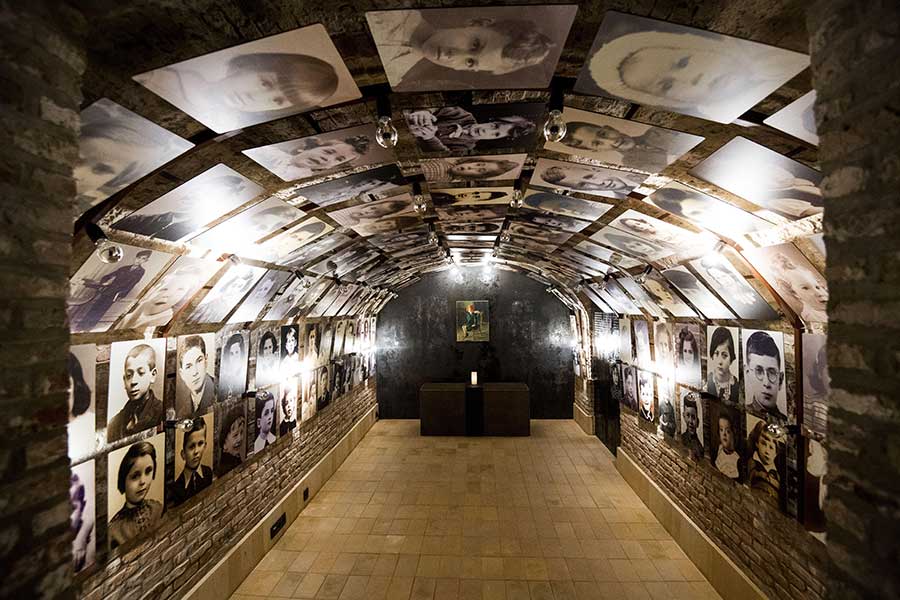
Kazerne Dossin, located in Mechelen, Belgium, just 20 kilometres from Brussels, is more than a museum. It serves as a memorial, archive, and research centre, commemorating the 25,843 Jews, Roma, and Sinti who were deported during World War II. The museum’s mission extends beyond preserving the past; it fosters dialogue and learning to prevent future discrimination and violence.
The Genesis of a Unique Educational Approach
The innovative use of Kazerne Dossin as an educational tool originated from a request by the Justice Department in Antwerp. Faced with the challenge of addressing hate crimes such as racism on social media, they sought an alternative to traditional sanctions. They envisioned a learning opportunity that could offer offenders a chance to understand the gravity of their actions through the lens of history. Given its profound historical context, Kazerne Dossin was an ideal partner.
The museum’s rich history starkly reminds us of the consequences of discrimination, hate speech, and group pressure. Using these historical lessons, the museum crafts personalized educational experiences for individuals involved in hate crimes, tailoring tours to resonate with their stories and offences.
Tailored Learning Experiences
Visiting Kazerne Dossin under this program is not a typical museum tour. It’s a one-on-one, profoundly personalised experience. Each visit is meticulously prepared based on an initial conversation with the participant, where questions about their offence, personal circumstances, and reflections on their actions are discussed. This helps the museum staff design a tour that addresses the participant’s behaviour and broader social implications.
The visits use historical material to discuss discrimination, group pressure and the consequences of hateful behaviour.
During the tour, guides focus on specific exhibits and narratives that draw parallels between the participants’ actions and historical events. The aim is to open up new ways of thinking and foster a deeper understanding of the impact of their actions. This method has shown significant success, with many participants expressing gratitude for the chance to learn and reflect meaningfully.
Expanding Impact Beyond Justice
The approach was also adopted by partners beyond the original justice collaboration. Beyond the Justice Department, organisations like the Pro League, Belgium’s professional soccer league, have adopted this approach. They use it as a corrective measure for sports misconduct, highlighting the museum’s versatility in addressing various forms of discrimination and group dynamics.
The programme is designed around open dialogue and reflection on participants’ actions.
The Role of Guides
Guides play a crucial role in this transformative process. They welcome participants with empathy, avoid judgmental language, and encourage open dialogue. For instance, instead of directly questioning the participant’s offence, guides ask about the reasons behind their visit, creating a non-confrontational atmosphere.
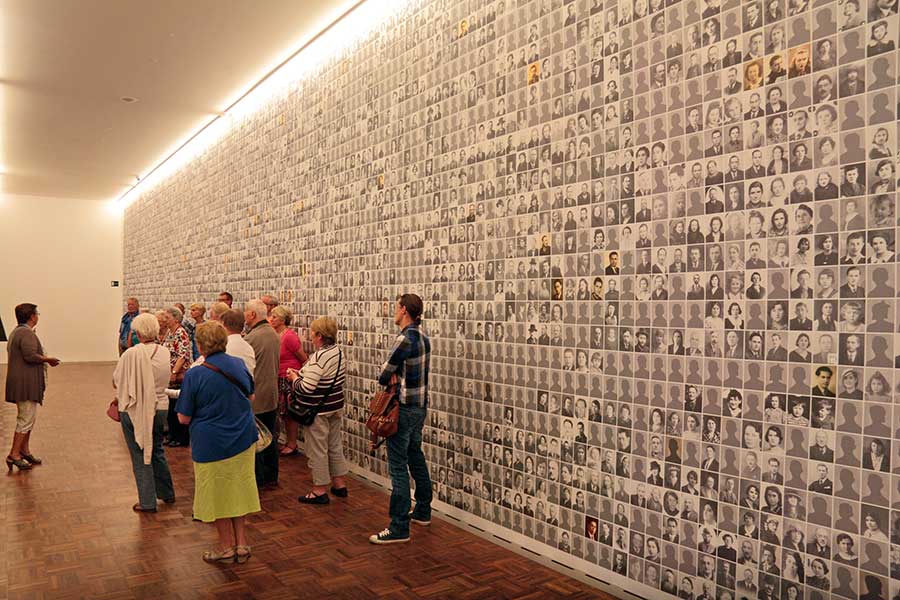
The tour often includes stops at poignant exhibits, like the wall of photographs of Holocaust victims. Here, participants can reflect on the scale of historical atrocities compared to their actions, fostering an understanding of how seemingly small acts of hate can contribute to larger cycles of violence and discrimination.
The ethics of immersive historical storytelling offer a related discussion of care, context and visitors’ responses to difficult histories.
The guide’s role is to open a conversation, not to tell a participant that their offence is equivalent to genocide. In the presentation, a guide explicitly acknowledged that difference before exploring propaganda and group pressure. The museum also kept the legal decision with its partners: guides and participants wrote separate reports, and the referring authority decided what happened next.
Post-Visit Reflection and Reporting
After the tour, participants engage in a reflective conversation with their guide, linking their personal experiences to the historical context they’ve explored. They and the guides then have two weeks to write a report about their visit. These reports are crucial for the judicial partners to determine the outcome of the participant’s case, whether it ends with the visit or proceeds to further legal action.
Fastenau described a six-month check-in, while noting that not everyone responded. Among those who did, some thanked their guides or described finding work or taking up volunteering.
The project raises practical questions about measuring museums’ social impact through reflection, follow-up and partner feedback.
Addressing Challenges
While the program has seen many successes, it has also faced challenges. Some participants, especially in the early stages, were resistant or disrespectful. These instances highlighted the need for careful selection of participants and adjustments to the program to ensure it’s suitable for those willing to engage earnestly.
Broader Societal Impact
The educational initiatives at Kazerne Dossin illustrate museums’ decisive role in addressing contemporary social issues. By connecting the past with the present, they provide a unique platform for learning and reflection, helping individuals understand the deep-rooted impacts of discrimination and hate.
Kazerne Dossin’s efforts extend beyond the museum’s walls, influencing sectors like sports through partnerships with organizations such as the Royal Belgian Football Association. This collaboration aims to combat discrimination and racism in football, using the museum’s approach to foster understanding and change.
Kazerne Dossin’s partnerships connect historical interpretation with contemporary anti-discrimination work.
A Model for the Future
At the 2024 presentation, the team reported almost 40 individual learning visits over the previous three years, with most participants responding positively. These visits offer offenders a second chance, helping them understand the impact of their actions and encouraging them to make positive changes in their lives.
The museum’s approach highlights the importance of personalised, empathetic education in addressing hate and discrimination. By offering a space for reflection and dialogue, Kazerne Dossin not only preserves the memory of past atrocities but also works to build a more understanding and inclusive society.
In summary, Kazerne Dossin stands as a beacon of hope, using the lessons of history to educate and transform individuals, contributing to a broader societal impact. This innovative approach demonstrates how historical institutions can play a pivotal role in contemporary education and social justice, making a lasting difference in the fight against discrimination and hate.
–
This article is based on the presentation, “Can a museum visit be an alternative to legal prosecution?”, by Kyra Fastenau, Cedric Derdelinckz and Tomas Baum from Kazerne Dossin at the Museum Social Impact Summit 2024 organised by MuseumNext.


About the author – Jim Richardson
Jim Richardson is the founder of MuseumNext. He has worked with the museum sector on digital and innovation projects for almost thirty years and now spends his time championing best practice through MuseumNext.