Fresh ideas from museums around the globe in your inbox each week

November 26 2025
 By Manuel Charr

At the Stedelijk Museum in Amsterdam, young people take on paid roles, lead activities and help shape the museum’s public voice. Blikopeners alumni also publish social content independently, within guidelines and with support from the marketing team.
The programme connects that editorial responsibility to a longer relationship with the museum, its staff and future cohorts.
At the Museums & Public Programs Summit Olmo Garcia Koel, Youth Programme Coordinator at the Stedelijk Museum shared this extraordinary initiative.

Building a programme that lasts
The Stedelijk wanted a continuing programme in which young people could work across departments and take on meaningful responsibility. A dedicated youth programme coordinator helps sustain those relationships beyond individual events.
So, in 2008, they launched Blikopeners—a program that would treat teenagers not as guests, but as coworkers. Paid ones. With real responsibilities. And a long-term role in shaping the museum’s public face.
Want more insights like this? Explore our upcoming virtual conferences here

Paid roles with real responsibility
Every year, the museum hires 15 young people between the ages of 15 and 19. These Blikopeners don’t just sit in meetings or give feedback. They lead tours and plan public events. A separate alumni team contributes to the museum’s social media.
Garcia Koel described their pay at the time of his presentation as minimum wage plus 25%. They’re introduced to every department. They meet artists and directors. They ask big questions. They answer big ones too.
The relationship can continue after the paid year. Some alumni go on to work at the Stedelijk or elsewhere in the arts; others take the experience into different fields.
How the TikTok handover worked
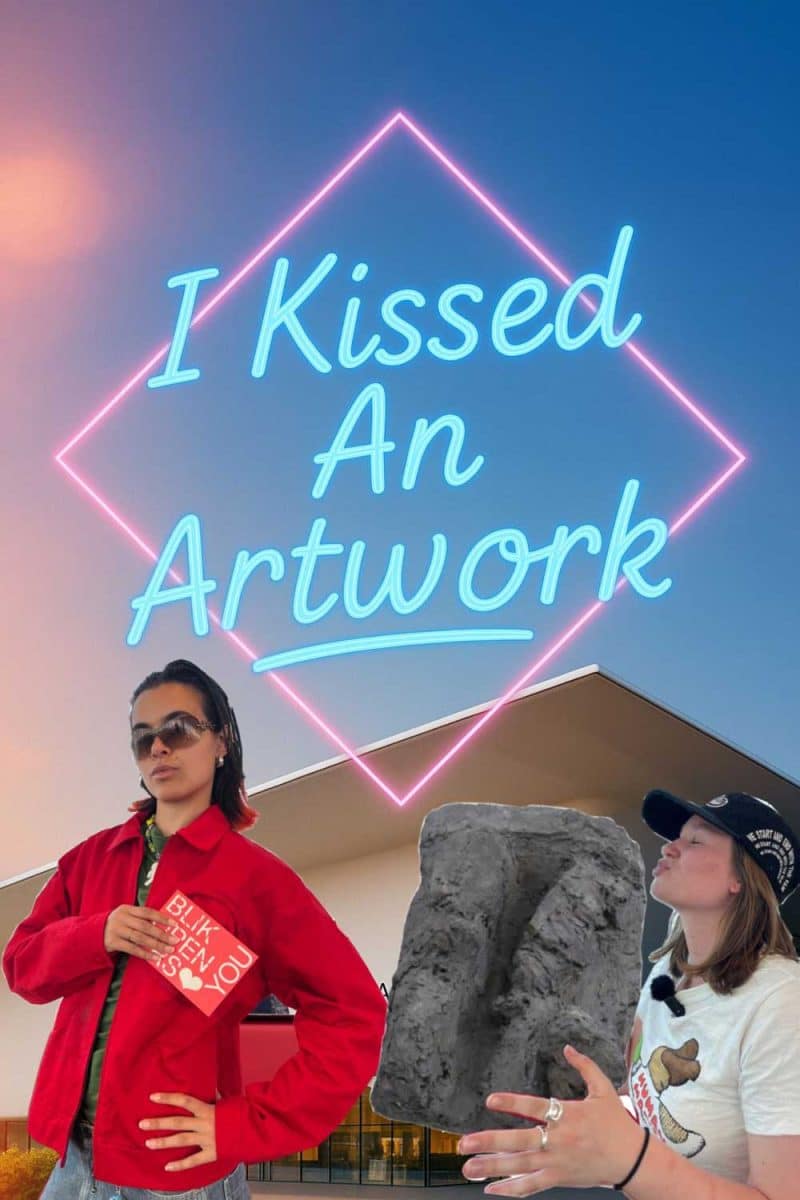
In 2021, the Stedelijk handed social-content responsibility to Blikopeners alumni, including work on its TikTok account.
The TikTok handover sits inside a longer relationship. In the Stedelijk’s separate account of its social strategy, five Blikopeners alumni meet each week to plan, make and publish content. They can post without prior approval, but they work with guidelines, receive training and know the marketing team follows what goes out. That combination gives young people real editorial responsibility while keeping them connected to colleagues who can help.
Why alumni remain involved
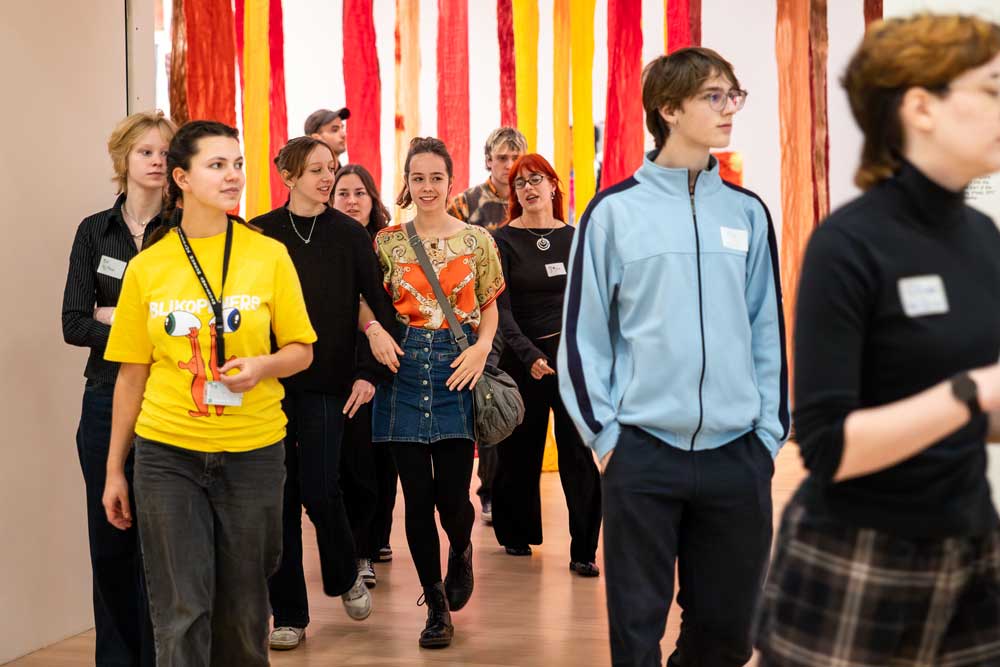
Alumni have several ways to keep contributing after their year in the programme.
The Stedelijk’s Blikopeners alumni stay involved. They train the next generation. They help run social media. They host events. They even conduct research, like the museum’s Blikopeners Impact Study 2024.
The study recorded participants’ accounts of confidence, career skills, stronger self-identity and connection to arts and culture. It also found that not everyone became a frequent museum visitor.
Some alumni became museum professionals. Others work in education or social justice. Many said the program gave them their first real taste of being taken seriously. English Heritage’s creative opportunities for young people offers a related example of supporting creative development.
What other museums can build on
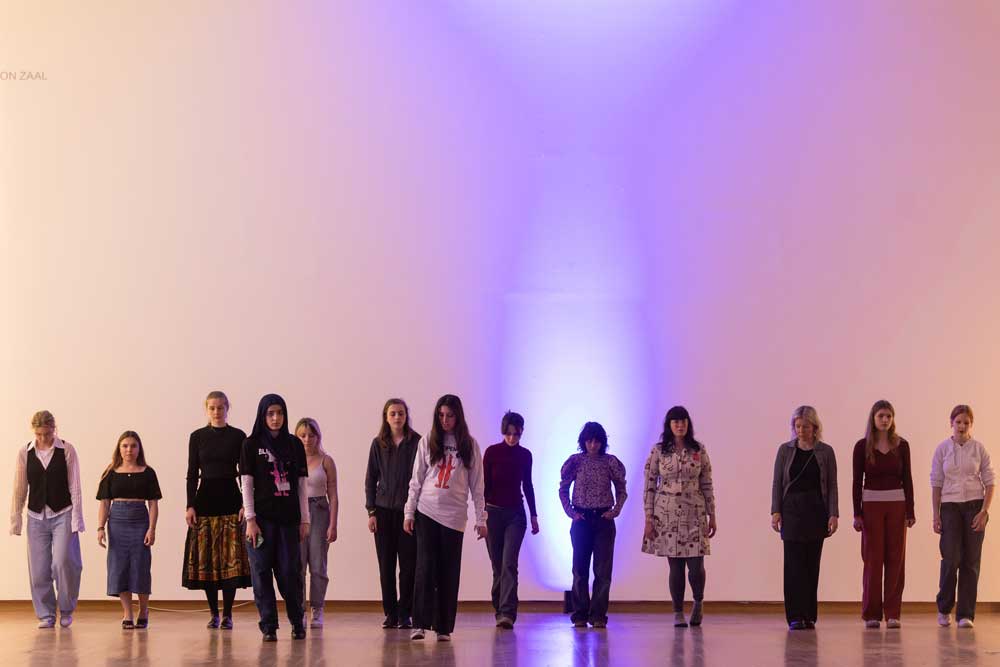
The practical foundations are pay, a continuing coordinator, relationships across departments and opportunities for alumni to stay involved. Together they give young people both responsibility and colleagues to turn to.
For a museum starting at a different scale, Vilnius City Museum’s work with teenagers offers another way to think about youth participation. The useful question is what responsibility the museum can sustain, and how it will support the people taking it on.
Want more insights like this? Explore our upcoming virtual conferences here
–
This article is based on Olmo Garcia Koel’s presentation, “How to (really) engage teenagers and aim for the long term”, at the Museums & Public Programs Summit 2025 organised by MuseumNext. Olmo is Youth Programme Coordinator at the Stedelijk Museum.


About the author – Manuel Charr
Manuel Charr is a journalist working in the arts and cultural sectors. With a background in marketing, Manuel is drawn to arts organizations which are prepared to try inventive ways to reach new audiences.




