Fresh ideas from museums around the globe in your inbox each week

November 15 2025
 By Manuel Charr
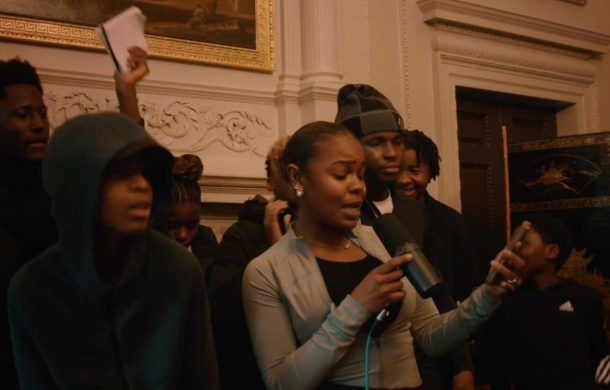
If you ask most people what heritage organisations do, they will probably point you toward the past, stories carved in stone, artefacts under glass, timelines printed on crisp exhibition panels. But ask Dr Kirsty McCarrison, Senior Partnerships and Participation Manager at English Heritage, and she will flip that idea on its head.
Her argument is simple: heritage is not just backwards-facing. It is a lens for making sense of the present and a surprising launchpad for young people imagining their futures.
Through Shout Out Loud, English Heritage’s national youth engagement programme, she is helping young people not only interpret history but also add their own creative layers to it.
Across animation, photography and dance, the programme pairs creative freedom with practical support. One particularly useful lesson was that young participants could need help managing a production more than help developing their ideas.
A framework that leaves room for creativity
To McCarrison, creativity is the unlocking mechanism. It is the thing that lets teenagers step onto a heritage site and see not just a pile of stones or an old building, but a stage where their own experiences, questions, and ideas can take shape.
Many young people arrive with no roadmap because heritage may be entirely new terrain.
So the Shout Out Loud approach begins with frameworks, just enough structure to offer confidence, but not so much that it dulls imagination. “Not too prescriptive, not too restrictive,” as McCarrison puts it.
What emerges from that balance is remarkable.
Animated Histories: pilot, local workshops and a commission
Consider Animated Histories, a collaboration with the Aardman Academy.
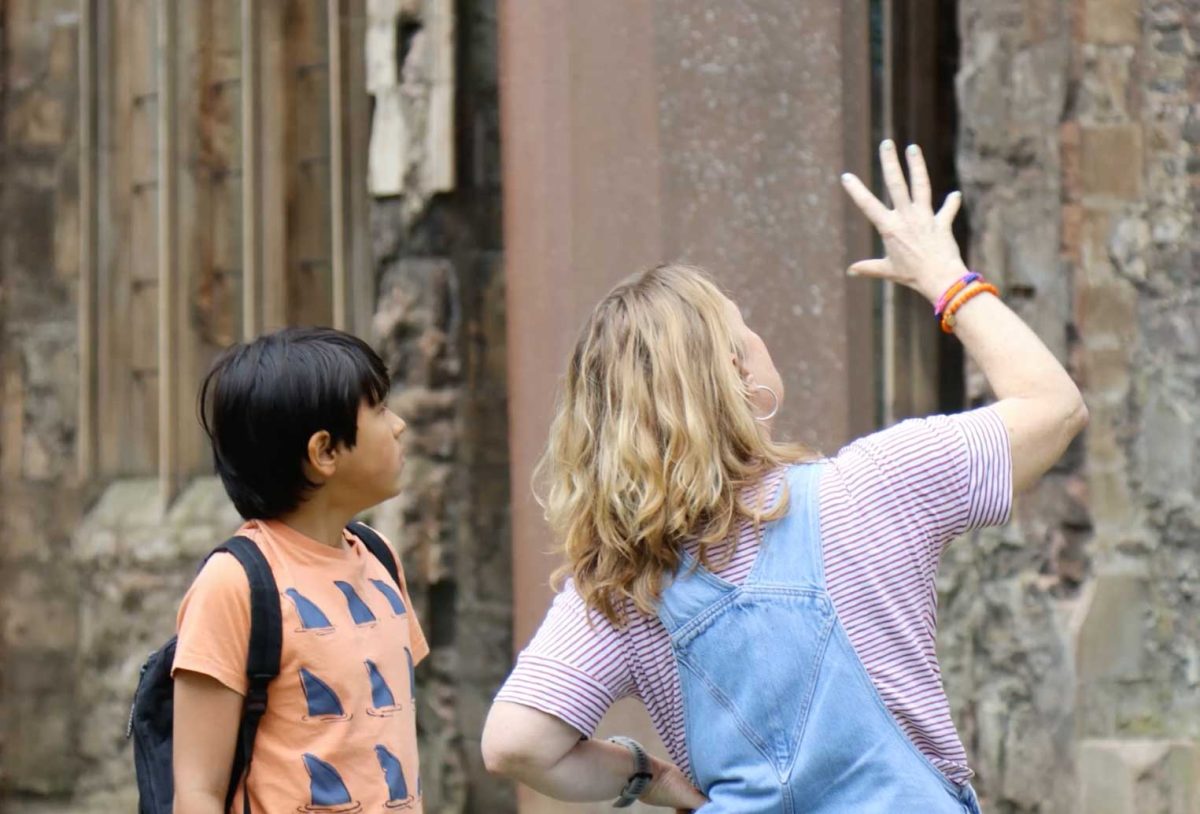
The partnership started small. A pilot workshop at Bristol Temple Church tested the chemistry between the two organisations, and it worked beautifully.
After the pilot, the project expanded through three delivery stages: local workshops, wider online participation and a mentored commission.
Local Workshops
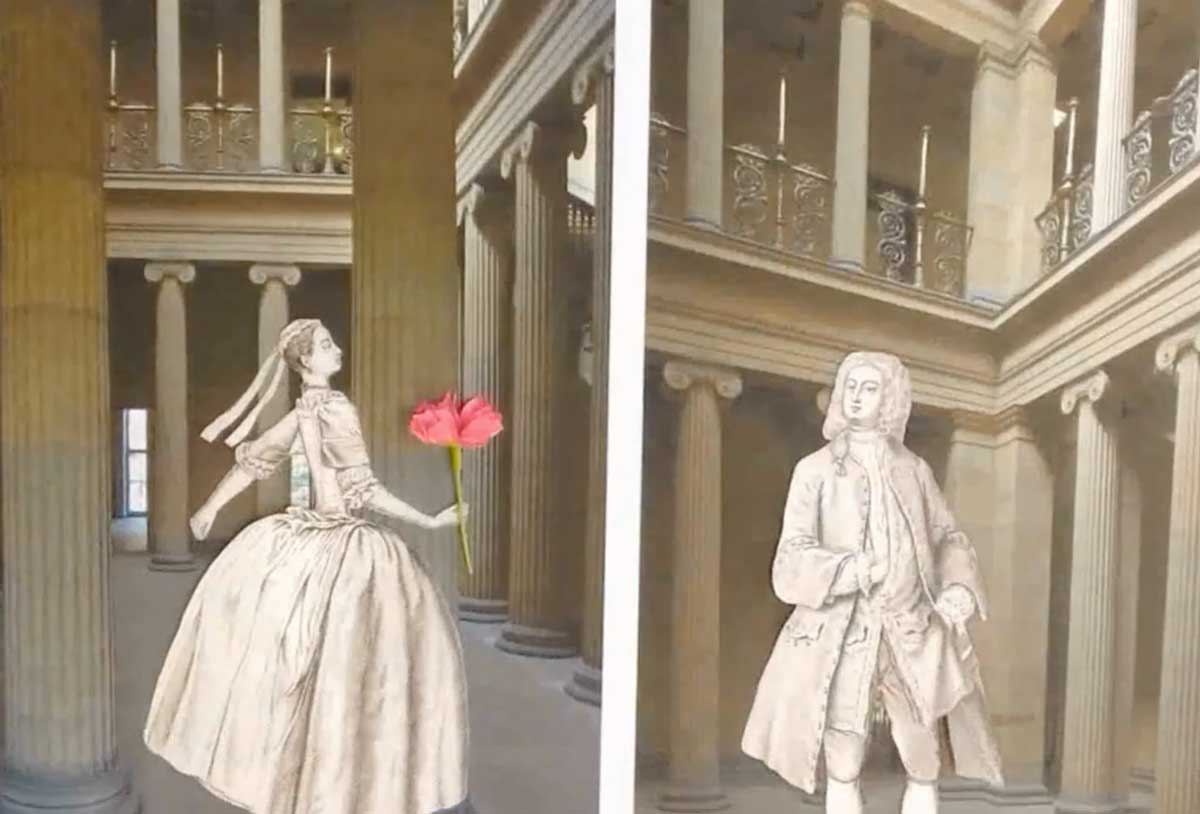
Young people visited heritage sites, took tours, learned stop-motion animation, and merged the two. Equipment was provided for the workshops, helping young people turn historic spaces into tiny animation stages. The materials varied wildly: paper cut-outs, textiles, LEGO, clay, drawings. The diversity was not planned, but the open brief made it inevitable.
Mass Participation
Aardman created online resources so anyone could join from home. The only rule was that the animation must draw inspiration from heritage, anything from a national treasure to a family object with personal significance.
Creative Career Launchpad
One standout participant in the 18 to 25 category received a paid commission along with mentoring from Aardman. A small-scale creative experiment suddenly became a stepping stone to a professional path.
What started as a simple pilot became a multiplatform celebration of youth creativity and a way of showing young people that heritage is not a museum label, but a theme they can shape in real time.
Focal Point: paid time to develop a practice
Photography took centre stage in Focal Point, a collaboration with Photoworks, a long-term partner of English Heritage.
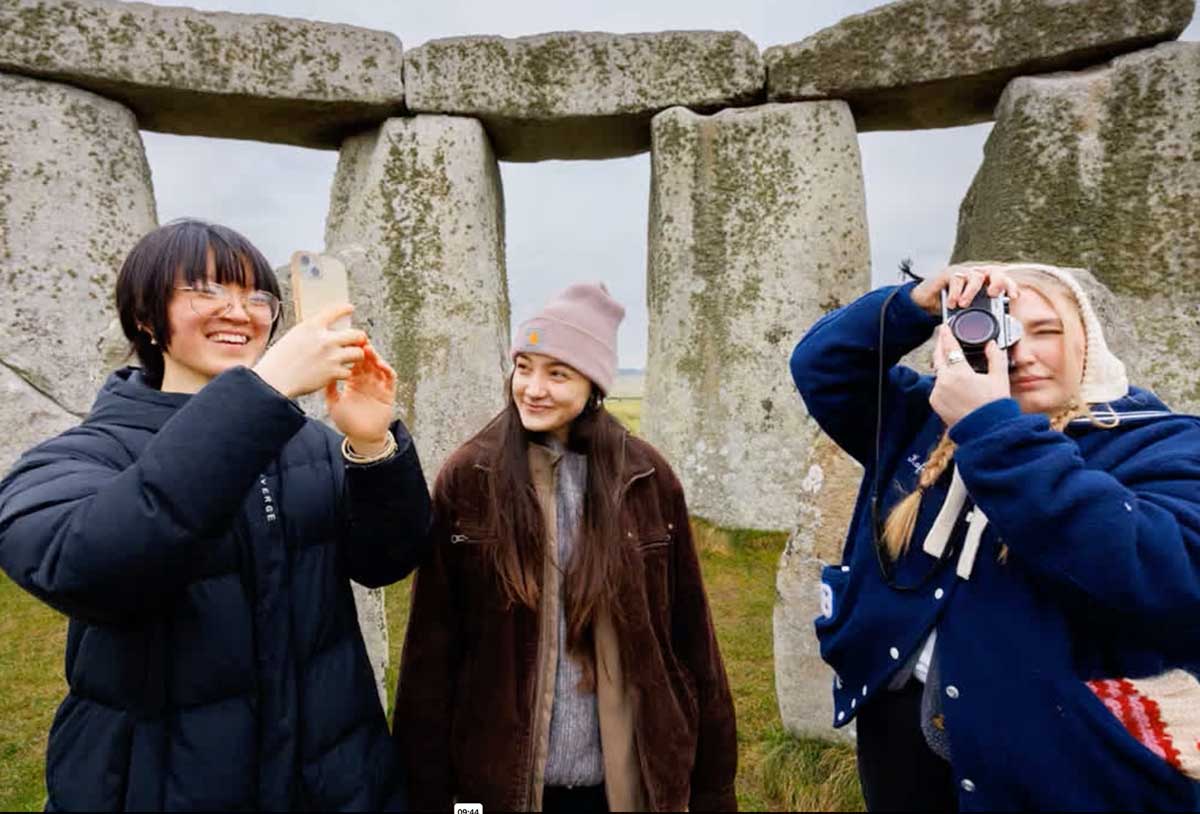
Here, the model flipped. Instead of building from grassroots to professional, English Heritage began by commissioning three emerging photographers, Sally Barton, Serena Burgis, and Yuxi Hou, and asked them to respond to an English Heritage site that meant something to them personally.
By coincidence, all three chose prehistoric stone circles.
The results varied widely in tone and style, but were united by a sense of connection to place. Their work was exhibited at Stonehenge. The Focal Point project can also be explored online.
The project did more than produce beautiful photography. It offered paid research and development time, mentoring in how to manage creative projects, and professional experience that strengthens early careers.
The participants also formed a peer network. They compared approaches, shared ideas, and learned from each other. Three individual projects quietly became a small creative community. The paid youth roles at the Stedelijk provide a different model for connecting participation with sustained responsibility.
Creative access needs practical support as well as an open invitation. Across these partnerships, that support included workshop equipment, online animation resources, paid development time and mentoring. The approach gave participants different ways to explore heritage through their own ideas.
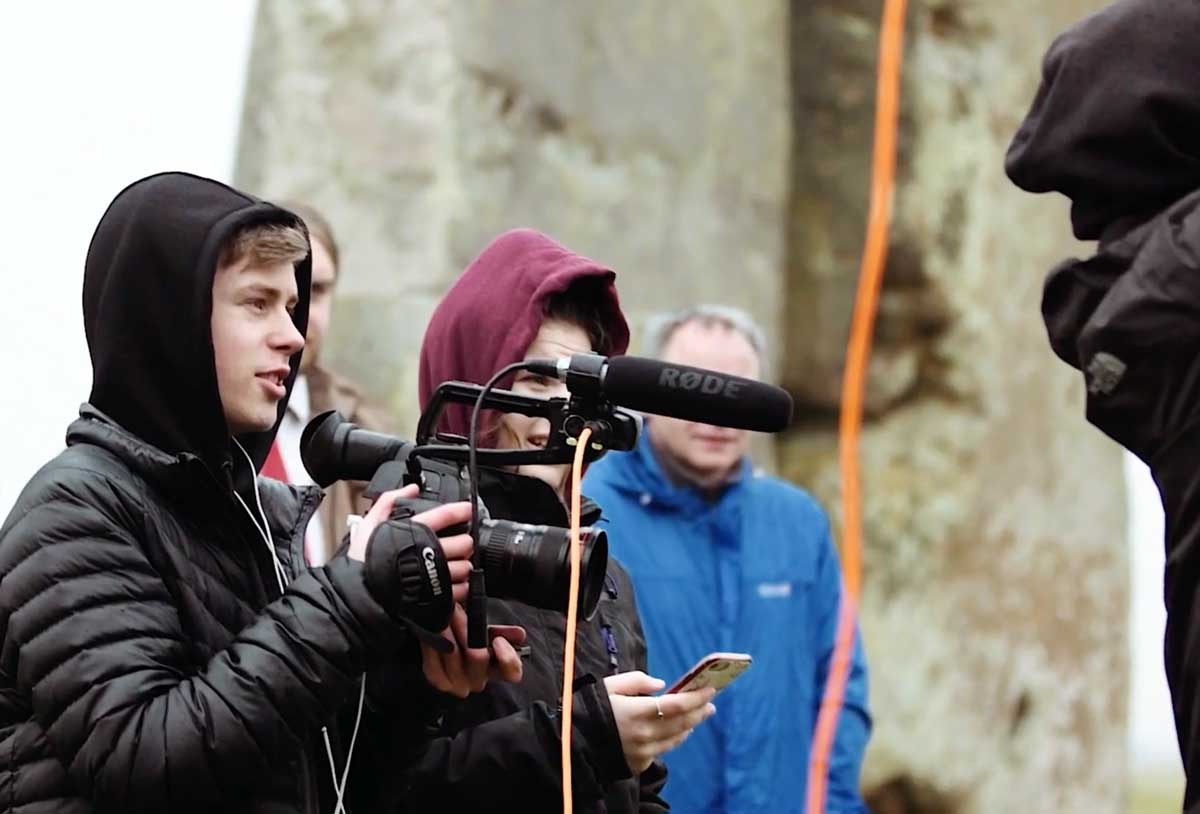
Beyond the Plaques: creative control and practical support
If photography helps young people see heritage differently, dance helps them feel it differently.
Working with the National Youth Ballet’s Beyond Ballet programme, English Heritage paired young choreographers with Shout Out Loud’s young producers. Then they did something bold.
They stepped back.
Here is the budget.
Here is the time.
Here are the stories and the sites.
Now you decide what to make.
The result was Beyond the Plaques, a film inspired by London’s Blue Plaque scheme and the lives of four pioneering women. McCarrison reported that the film had screened at multiple festivals and received awards in the UK and abroad.
The dance project changed what the team thought support should look like. The young people already had ideas and the creative skills to develop them; the help they needed was with schedules, communication and getting a shared project over the line. English Heritage has since brought that learning into its Young Producer Programme. For museums offering creative freedom, this is a useful distinction: make time for production support without taking the creative decisions back.
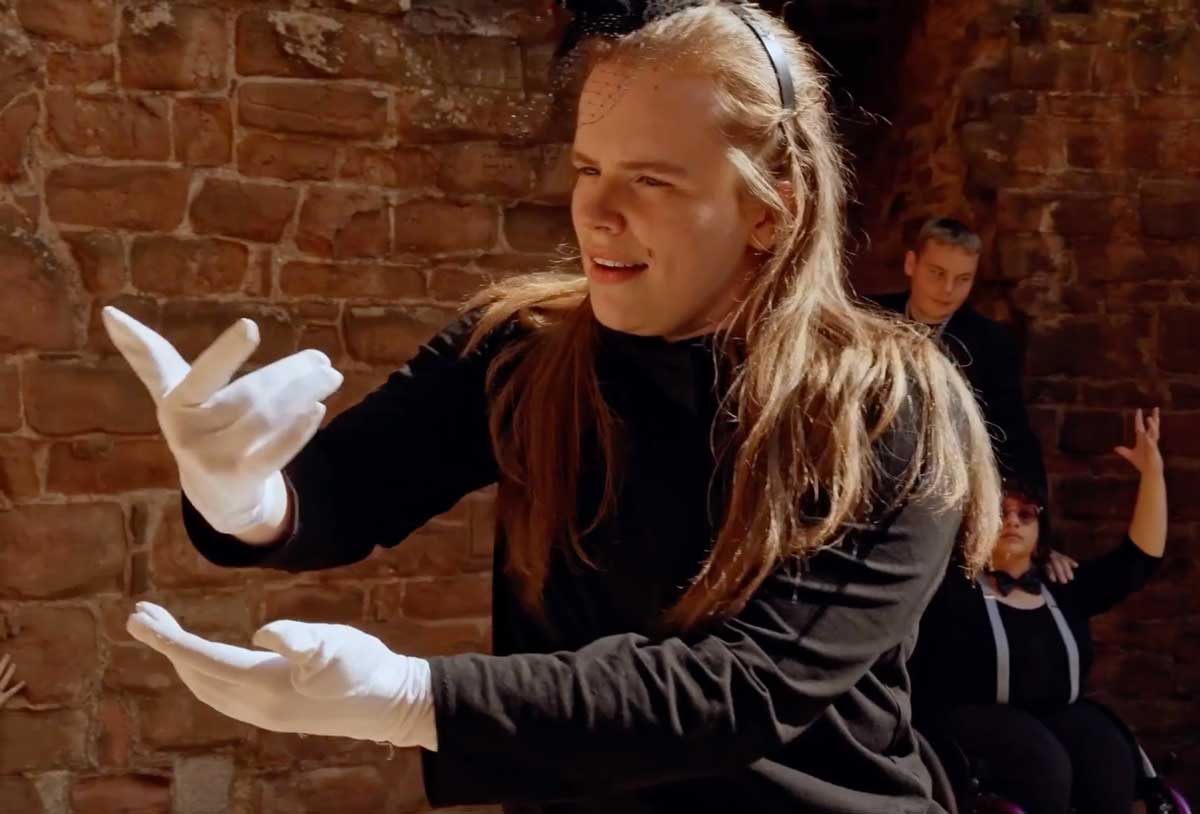
A follow-on project at Kenilworth Castle brought disabled and non-disabled young dancers together through the All In programme to reinterpret Cinderella. One of the choreographers from Beyond the Plaques returned, creating a throughline of involvement.
Working within heritage-site constraints
Work like this is never simple. Heritage sites come with physical restrictions to protect fragile structures and ensure safety. Large organisations must also confront a more abstract challenge, brand recognition. Many young people do not know what English Heritage is or assume the sites are not for them.
McCarrison highlights that clear communication reduces many of these obstacles. When young people and partner organisations understand the reasons for limitations, creativity tends to find a way forward.
Removing invisible barriers is just as important as managing the visible ones.
The Ripple Effect
Behind each project sits a larger ambition: helping young people see themselves not only as visitors to heritage but also as contributors to it.
When a teenager creates a new artistic response to a site, they add a new layer to the unfolding story. The project gives them a role in interpreting what the site can mean.
The work reaches new audiences, opens doors to creative networks, and introduces fresh perspectives into English Heritage’s own understanding of its sites.
Groups that had never considered heritage relevant, such as the northeast organisation We Make Culture, now work closely with English Heritage, showing how creative engagement can ripple outward.
Keeping the partnership open
Some of the most meaningful feedback comes from young people who say these projects changed their creative practice. Not simply because they learned photography or animation, but because they stepped into places they never believed were meant for them.
Other institutions are also developing creative pathways, including V&A East’s support for young creatives.
McCarrison hopes young people will see heritage sites as creative spaces, learning spaces, places to relax, spaces where they belong. Even if they never animate another clay figure or choreograph another dance, she wants them to feel that these places are part of their world.
Once young people see heritage as a space where their experiences matter, they stop being observers. They start becoming heritage makers.
The lasting opportunity is to keep those relationships open after the individual project ends.
–
This article is based on the presentation, "Animating the Past, Shaping their Future", by Dr Kirsty McCarrison, Senior Partnerships and Participation Manager at English Heritage at the Creative Museums Summit 2025 organised by MuseumNext.
Interested in what’s next for museums? Take a look at our upcoming MuseumNext events.


About the author – Manuel Charr
Manuel Charr is a journalist working in the arts and cultural sectors. With a background in marketing, Manuel is drawn to arts organizations which are prepared to try inventive ways to reach new audiences.