Fresh ideas from museums around the globe in your inbox each week
Day One : 26 January 2027
All times are GMT (the time in London)
12:00 (GMT)
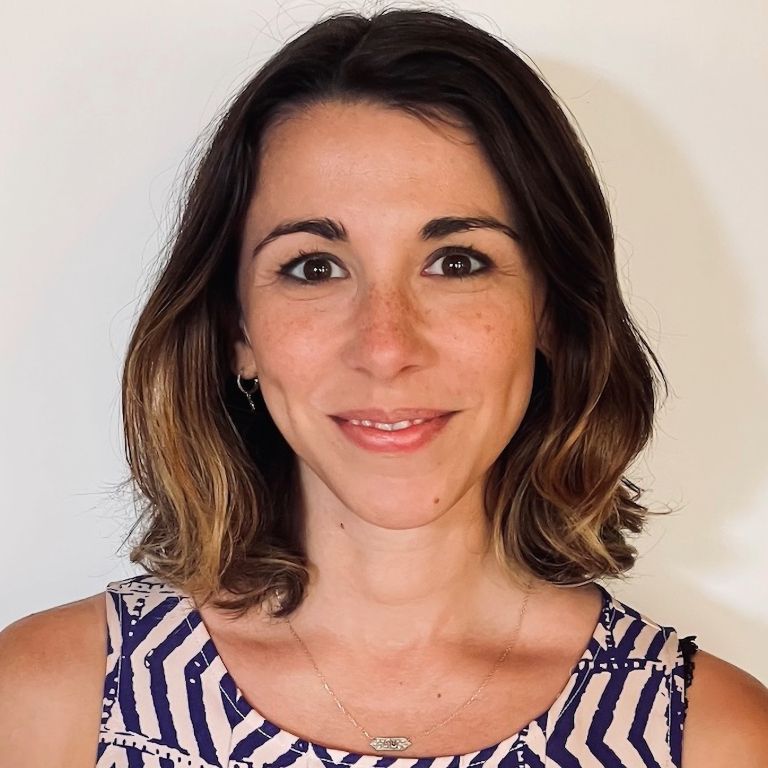
From Collections to Connection: The Evolving Role of Museums in Health and Wellbeing
Museums are becoming increasingly valued for their potential to contribute to health and wellbeing, which transcends their traditional role of preserving and displaying collections.
At Queensland Art Gallery | Gallery of Modern Art (QAGOMA), this evolving role is reflected in a growing Arts and Health program that recognises and promotes art as a catalyst for individual and community wellbeing. This session introduces QAGOMA’s suite of Arts and Health Programs, showcasing three distinct initiatives that span beyond QAGOMA’s typical audience: Art and Dementia, The Art of Wellness Program for Veterans, and The Art of Practice Program for Anaesthetists. The presentation offers insights into research, co-design, implementation, and translating community-informed knowledge into museum practice. Featuring first-hand reflections from participants, discover how museums can extend their impact beyond collections and exhibitions to enrich lives, strengthen communities and contribute to psychosocial wellbeing.
12:30 (GMT)
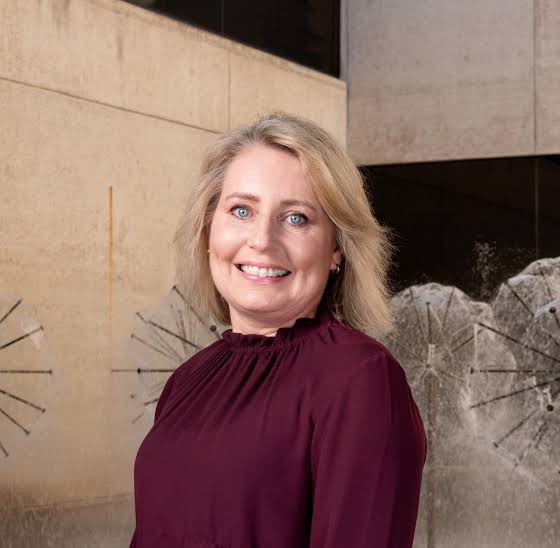
Ditching the Passive Visit: The Museum as a Dynamic Third Space for Senior Well-being
How can museums use heritage and history to serve as vital third spaces to support senior well-being? Join us to find out practical design principles for inclusive senior programming at the Reunion Social Space within the National Museum of Singapore. From arrival experience, object-based reminiscence to volunteer empowerment, Reunion focuses on deliberate practices to affirm dignity and agency in older adults. Key impacts, including findings from a research measuring well-being outcomes of our signature Reunion programme will also be shared.
13:00 (GMT)
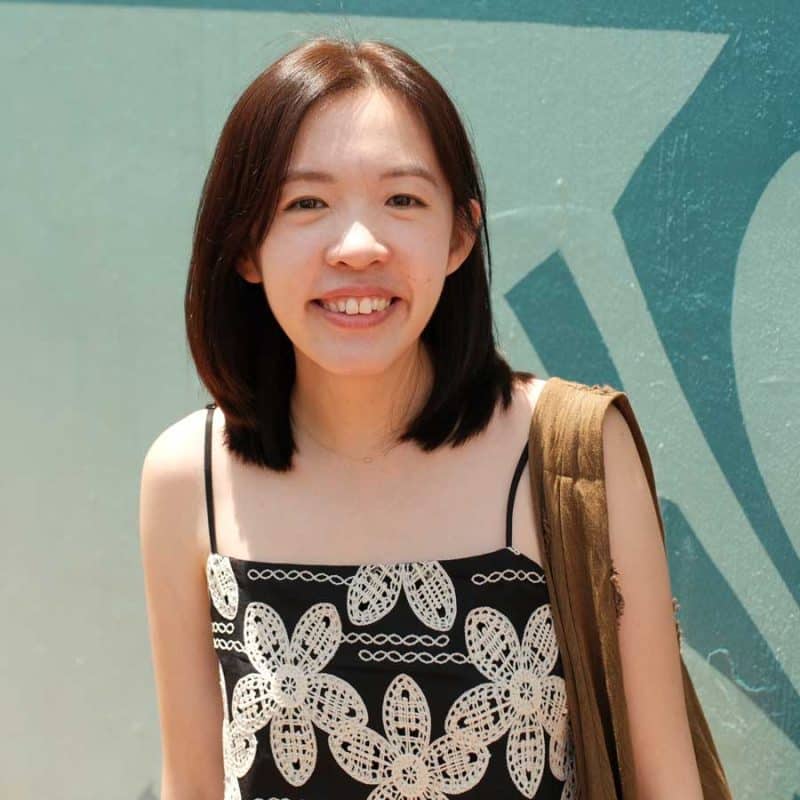
Designing for Wellbeing: A Museum Approach to Safer Behaviour
Road crashes are often discussed as engineering or enforcement problems, yet they are equally a public health and wellbeing challenge. This presentation shares the case study of Project Safe Sanchaara, an experiential traffic safety gallery developed at Param Science Experience Centre in India. Rather than teaching rules, the exhibition uses emotional storytelling, behavioural science and visitor participation to encourage reflection on everyday decisions. Through research, prototyping and visitor evaluation, the project demonstrates how museums can become spaces that promote healthier behaviours, emotional resilience and community wellbeing while addressing one of society’s most urgent public health issues.
13:30 (GMT)
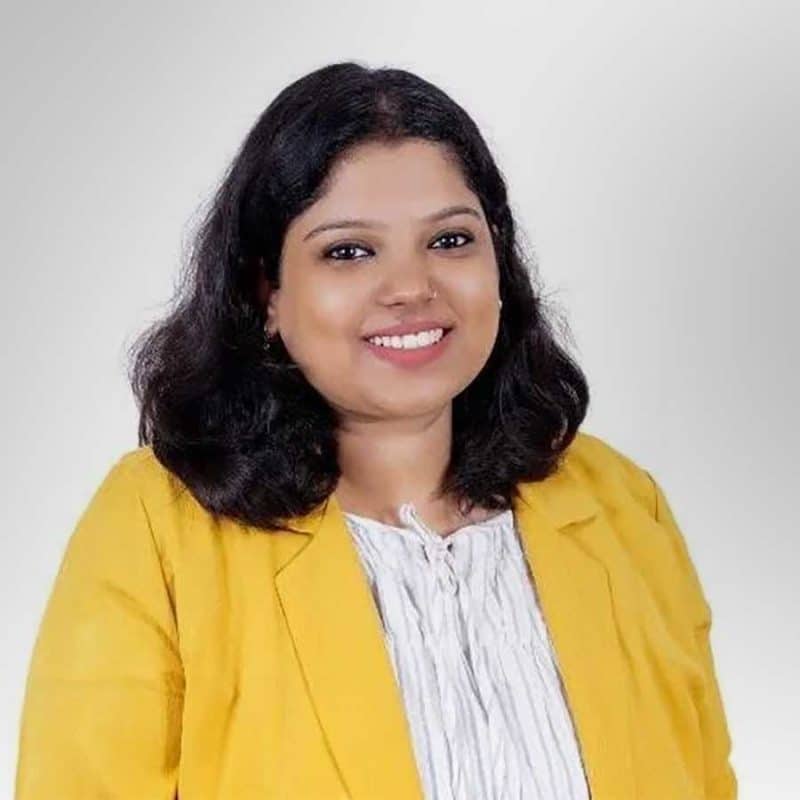
When museum thinking meets medical campus
What happens when you take museum expertise out of the museum and into a professional medical setting? Dublin’s Humanarium is a new public exhibition space created by the Royal College of Surgeons in Ireland, to foster conversations about health and wellbeing.
Creating a welcoming public space in a prestigious (and often private) medical organisation requires significant cultural change. Equally, museums can learn from medicine – particularly patient and public involvement in shaping healthcare. I’ll share the journey of our first year, what happens when two sectors collide, what we hope to try next, and why good coffee is key.
14:00 (GMT)
Somatic & Participatory Practice: Co-Authoring Space in the Gallery
If the body is the first environment to which we relate – and a carrier of cultural memory, environmental history and social location- how can cultural spaces support somatic literacy: how we understand emotion, regulation and resilience through the body?
This session highlights IMMA Horizons’ MOVING SIGNATURES – an inclusive intergen-erational collaboration with CoisCéim Broadreach, responding to collection artworks through movement, culminating in a performance also informed by the museum’s architecture, history and public role.
Together, we ask: “How can we expand our understanding of health to include the spaces we occupy, the histories we inherit, and our relationships with the natural world?”
Speakers

14:30 (GMT)
Break
15:00 (GMT)
Prescribing the Museum
What if a nurse, social worker, or community health worker could send a patient to the museum like they’d refer them to physical therapy? Social prescribing makes that possible, connecting people to art, nature, movement, and community to address loneliness and wellbeing. In this talk, the Ohio Social Prescribing Collaborative and the Cleveland Museum of Art share how one city is building that bridge. You’ll hear what museums worldwide are learning from arts prescribing, how link workers make referrals stick, and how an encyclopedic museum is thinking about its next step, from training health professionals to welcoming their patients.
15:30 (GMT)
Beyond the Gallery: Building an Arts in Health Training Program
How can museums and galleries bring meaningful arts experiences into healthcare settings?
Building on over a decade of arts and wellbeing programming with healthcare partners at hospitals and mental health centres, the Ottawa Art Gallery is expanding beyond traditional gallery spaces.
OAG has developed an Arts in Health Training Program that prepares artists to work in healthcare settings. Supported by the Canada Council for the Arts, the initiative combines professional training, ethical guidance, interdisciplinary collaboration, and an online learning platform.
This presentation shares OAG’s journey, lessons from developing the program, and how other institutions can adapt its framework.
16:00 (GMT)
A Culture of Care: Advancing Wellness for Visitors, Communities, and Staff
How can museums become powerful partners in advancing community wellness? Discover how Cincinnati Museum Center brings health and wellness to life through engaging exhibits, creative culinary experiences, community partnerships, accessible programming, and a culture of care. From maternal health workshops and youth cooking classes to mindfulness activities, dementia-inclusive experiences, and community resource sharing, we create meaningful opportunities for people of all ages to connect, learn, and thrive. Through a behind-the-scenes look at our work, we’ll share how we nurture well-being across generations, extend our impact beyond museum walls, and support our own staff. We hope to leave you inspired by the many ways museums can foster healthier, more connected communities.

16:30 (GMT)
Beyond a Single Event: Making Well-Being Museum Practice
Your museum may already be doing more to support well-being than you realize. How do you build on that work? Discover how Plains Art Museum connected long-running Art and Autism programming, an arts in health symposium, and healthcare partnerships into a broader institutional commitment. Hear how leadership and program staff turn that commitment into accessible experiences, what an Arts on Prescription pilot revealed, and how a new Art Bridges collaboration supports the next phase. Leave with practical ways to recognize existing strengths, develop partnerships, and sustain well-being work beyond a single event or grant.
17:00 (GMT)
The Art of Belonging: How Museums Create Connection
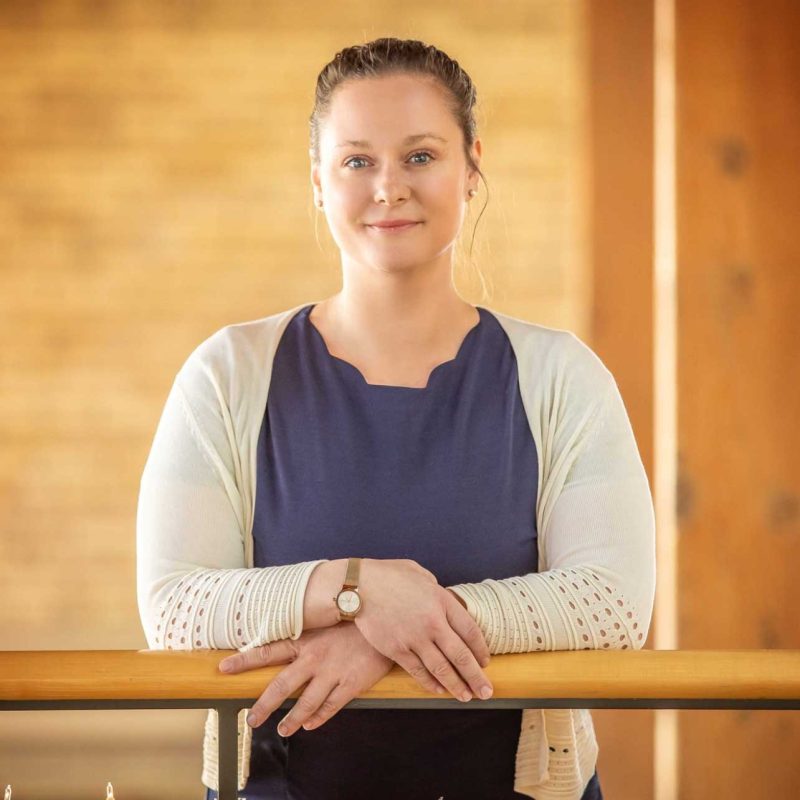
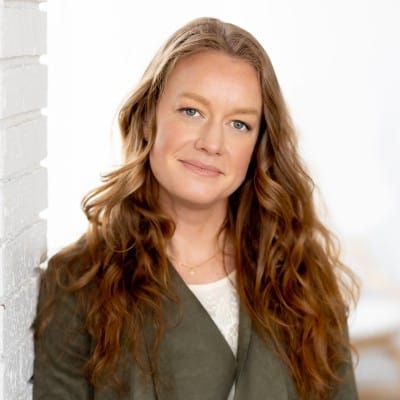
What happens when a museum educator and a physician design spaces for visitors to pause, create, and connect? Discover ARCC (Attention, Reflection, Creation, Connection) a practical framework developed through the Jordan Schnitzer Museum of Art’s Art Heals collaborations. Lisa Abia-Smith and Dr. Elizabeth Lahti will take you inside a workshop, sharing how an artwork, a writing prompt, and a simple creative response can support well-being. Leave with adaptable facilitation strategies, insights into museum–healthcare partnerships, and a starting point for bringing this approach to your own community. No artistic experience or medical background required.
17:30 (GMT)
From Program to Purpose: Wellbeing in the Gallery
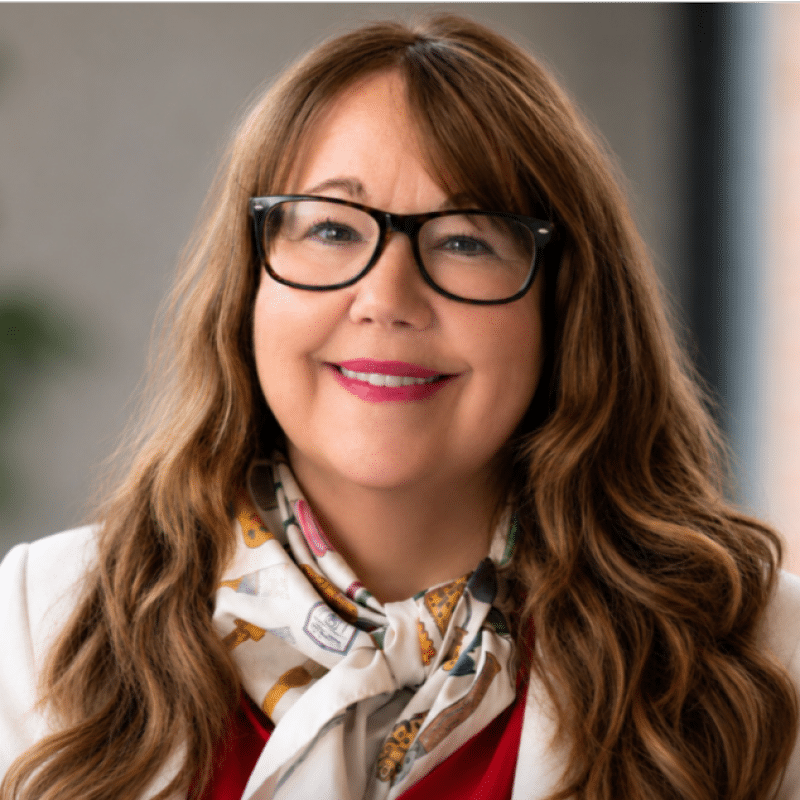
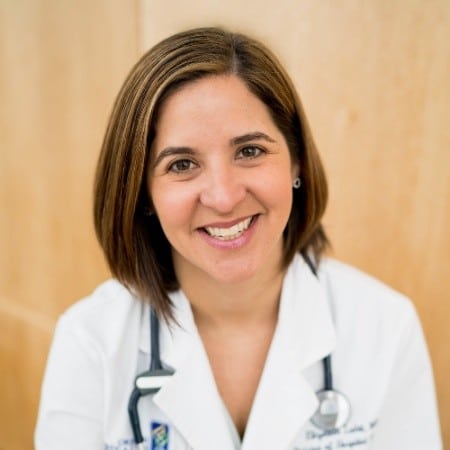
What should public art galleries do with the growing science showing that arts engagement can support health? Drawing on doctoral research and current practice at The Robert McLaughlin Gallery, Alix Voz explores how galleries can move from offering wellness programs to positioning themselves as part of a community’s health infrastructure. Through Wellness Wednesdays and a reciprocal partnership with the Living Room Community Art Studio, she will share two complementary strategies: bringing arts engagement out into the community, and creating a clearer invitation for people to experience the public art gallery itself as an accessible wellbeing resource.
Day Two : 27 January 2027
All times are GMT (the time in London)
12:00 (GMT)
Pause: Arts Engagement for Compassionate Care
This presentation explores Pause: Palliative Care program, an arts and health initiative developed by the Art Gallery of New South Wales in partnership with the Palliative Care NSW, University of NSW and Health Infrastructure NSW. Through guided engagement with artworks, conversation and reflection, the program supports people receiving palliative care, carers, family members and health professionals. Pause demonstrates how museums can contribute to wellbeing by creating opportunities for connection, self-expression and meaning during times of illness, caregiving and loss. Drawing on cross-sector partnerships, the presentation highlights how arts engagement can strengthen compassionate care, reduce isolation and support dignity, resilience and wellbeing.

12:30 (GMT)
Can Dialogue-Based Art Viewing in Museums Improve Wellbeing? Evaluating Creative Ageing Zuttobi in Japan
What happens when older adults experience art through dialogue rather than simply viewing it? Creative Ageing Zuttobi at Tokyo Metropolitan Art Museum brings older adults together through dialogue-based art viewing facilitated by art communicators. We evaluated the program by comparing it with video-based viewing, using wellbeing measures and participant interviews. The dialogue-based group showed greater improvements in several aspects of emotional wellbeing, particularly enthusiasm and feeling active. This session explores these findings alongside participants’ experiences and offers practical insights for museums interested in developing and evaluating programs that support wellbeing in later life.
13:00 (GMT)
Take Part: Making Change Visible. Evaluating the Social Impact of Museum Programmes for People Living with Dementia
How can museums understand their social impact when the changes they seek are relational, personal and organisational? Take Part, a research project involving 19 museums in Italy and the Netherlands, explored how programmes create changes for people living with dementia, their carers and museum professionals. Using the Theory of Change, we mapped three pathways to impact and combined quantitative and qualitative evidence to investigate what changes, for whom, and how. Our findings show how inclusive cultural experiences foster participation, connection and organisational change—and how evaluation can become a tool for learning, improving practice and making the social value of museums visible.
Speakers: Cristina Bucci and Chiara Lachi, MTA System
13:30 (GMT)
Connecting Through Memories
Museums are experts at using culture to connect people together through memories of past experiences. We come to the museum to connect to our own heritage and to learn about others. When living with dementia, this can be essential to remain connected to others and one’s self. The House of Memories programme has 15 years of experience creating opportunities for this. Created for and made by the dementia community internationally, resources are made to empower individuals to use culture in everyday community life to remain connected through memories.

14:00 (GMT)
From Collection to Connection: Co-creating Wellbeing Through Fashion and Public Health Partnerships
What happens when museums and public health work together? Discover how looking beyond the label can reveal fashion’s power to support wellbeing, foster connection and create lasting social impact.
Speaker: Jo Mawdsley, Learning and Engagement Lead at Fashion Museum Bath
14:30 (GMT)
BREAK
15:00 (GMT)
SPY with Me at the International Spy Museum
Interested in expanding your organization’s accessibility and creating a program for individuals with dementia? Join the International Spy Museum as we describe our programmatic journey developing SPY with Me – a virtual public program for individuals with dementia and their care partners. We’ll discuss challenges, successes, and how we pivoted from an onsite program to a virtual program.
15:30 (GMT)
Lifelong Arts at The Ringling: Fostering Meaningful Engagement for Older Adults
What does it take to create a vibrant Creative Aging program that strengthens individuals, organizations, and entire communities? Join us and explore how the Lifelong Arts Program at The Ringling cultivates vitality, purpose, and connection through four interconnected pillars: participants, teaching artists, community partners, and the museum. Learn how meaningful arts engagement empowers older adults to remain active, build social connections, develop new skills, and contribute to their communities. Through practical examples and lessons learned, gain strategies for building sustainable Creative Aging programs that promote lifelong learning, well-being, and healthy aging through the arts.
Speakers: Giovana Pérez-Oliveras & Sally Rountree, John & Mable Ringling Museum of Art
16:00 (GMT)
TBC
16:30 (GMT)
Well-Being by Design: Bringing the RITEC Framework into Museums
Museums want children to thrive—but how do we design experiences that intentionally support their well-being, rather than simply hope it happens? Join colleagues from the Joan Ganz Cooney Center, The DoSeum, and Natural History Museum of Utah to explore how the RITEC framework is helping museums and science centers put children’s well-being at the center of design. Through two practical examples spanning exhibits and digital learning, we’ll share what happens when we look beyond what children learn to consider how they feel, connect, and grow. Leave with ideas for putting well-being by design into practice.

17:00 (GMT)
Culture for All: Making Museums Accessible to People with Aphasia
Who gets to join the conversation in your museum? BrainNYC (Building Resources for Aphasia in New York City) is bringing people with aphasia, carepartners, and educators together at the Museum of the City of New York to rethink communication access. We will draw on ongoing focus groups to explore what makes cultural participation possible—and what it takes to sustain it. Discover how listening to aphasia communities can shape accessible experiences, strengthen partnerships, and make museums places of connection and belonging.