Fresh ideas from museums around the globe in your inbox each week

July 02 2021
 By Manuel Charr
One identity for a varied museum group
National Museums Liverpool’s 2021 brand launch addressed a practical challenge: connecting different venues and services through a shared identity while retaining the character of each. This July 2021 report describes the design project and the museum’s ambitions at the time, as galleries reopened after pandemic closures.
The group had used the National Museums Liverpool name since 2003, replacing National Museums and Galleries on Merseyside. A later competitive tender appointed a design team to develop the group’s identity across its portfolio.

Copyright SomeOne
How SomeOne connected the venues and sub-brands
The award-winning design studio, SomeOne, won the tender and was appointed in 2020. Importantly, the rebranding exercise that followed did not merely focus on a brand refresh for the body that is responsible for the institutions but of all its sub-brands, too. The portfolio described in 2021 included World Museum in Liverpool, the Walker Art Gallery, also in Liverpool, and the Lady Lever Art Gallery on the Wirral, among others. The process of rebranding involved a fresh look for each of these institutions within a core identity of the body as a whole. In addition, SomeOne was charged with including the corporate events business that is run by the public body as well as the group’s award-winning dementia awareness scheme, known as House of Memories.
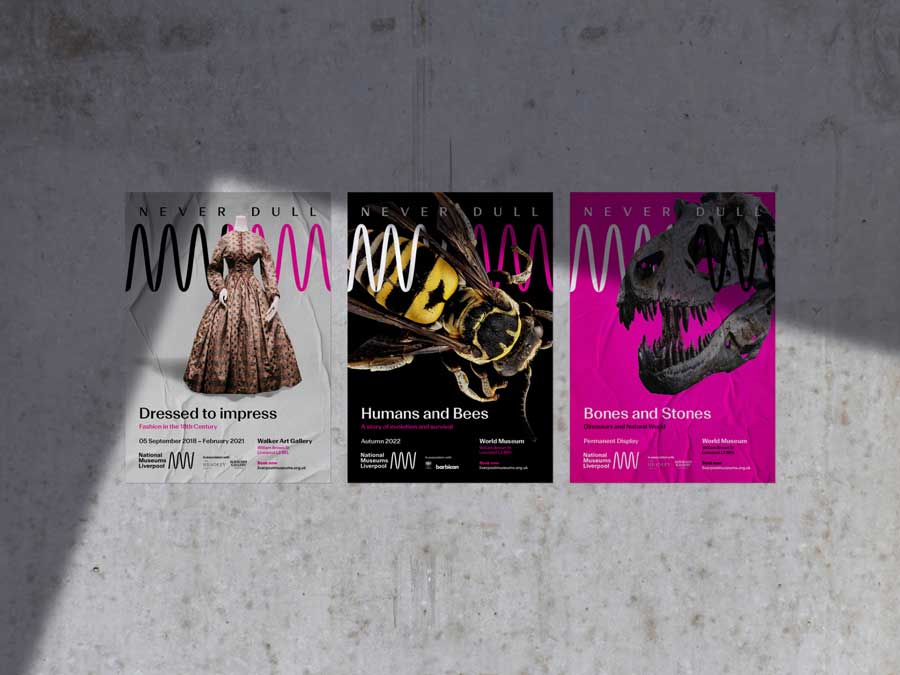
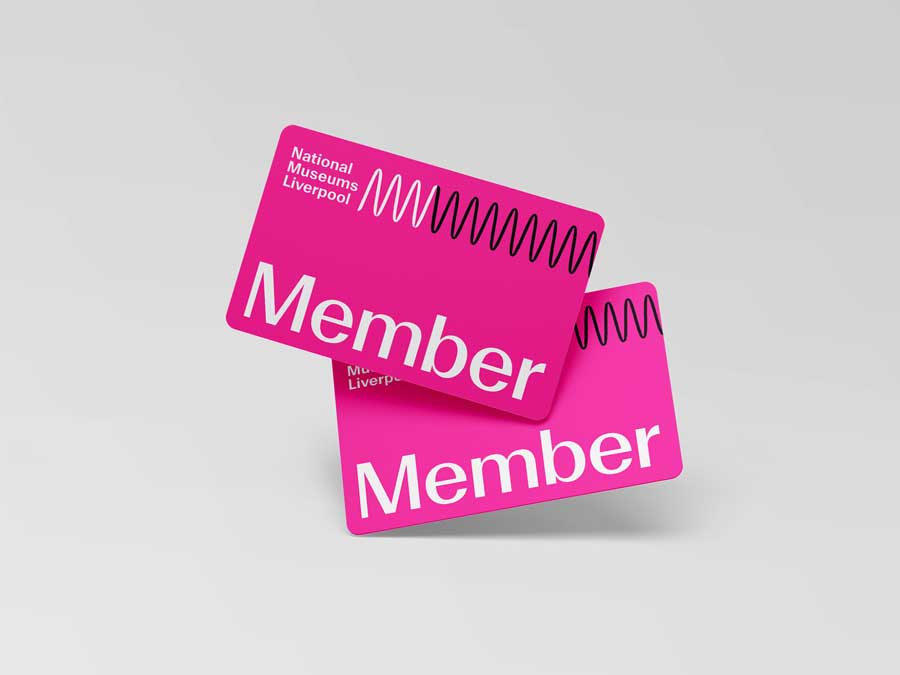
According to National Museums Liverpool, the new brand identity is based on a revitalised public body that is energetic and focused. This collective energy is to be found in all of the artefacts, people and experiences that the public can engage with at any of the group’s institutions. In a statement, the museum group said that it had captured this energy and successfully communicated it throughout its entire “BrandWorld” in the form of a visual wave that constitutes its new logo. “A visual wave of energy [is now]… our brand symbol,” the statement read.
Simon Manchipp, SomeOne’s founder, said that his team had simplified the current brand architecture used by the group. “We concentrated our efforts to better connect the many strands of the portfolio,” he said. Manchipp went on to say that this meant the new branding needed to work in a unified way for both visitors and employees of National Museums Liverpool but that it had to do so in a way that was not too one dimensional or simplistic.
Copyright SomeOne
Brand architecture means making clear which names belong together and how visitors recognise their relationship. The shared system offers a starting point for teams seeking to keep a museum brand consistent across touchpoints.
For a museum group, the design question is also a visitor question: can people recognise that different venues and services belong together without losing the character of each? The Liverpool project addressed that relationship across the portfolio. A useful starting point for a similar brief is to map the names and identities a visitor encounters, from an exhibition advert to a venue page or event booking, and identify where those connections are unclear.
A visual system for National Museums Liverpool’s next chapter
David Watson, then Executive Director of Audiences and Media, spoke enthusiastically about what SomeOne had achieved. Although he acknowledged that the group’s last logo had served it well for over a decade, he was delighted by the rebranding. He said that the time was right to move on from the turquoise ‘L’ that had been used in that period even though it had become synonymous with the organisation. “Time has moved on,” he said, “and so has the personality, the character and the overarching mission of National Museums Liverpool.”
Watson went on to say that he thought working with a renowned brand studio, like SomeOne, had helped to shape the brand concept in line with the body’s latest strategy and values. “Going forward, [our brand]… will fully embed these values,” he said. Watson also added that the rebranding had a ‘strong story behind it’ which described the expertise, the identity and the ambition of the museum group. “This reflects our ability to play our part on the international stage,” he said.

Copyright SomeOne
Copyright SomeOne
Copyright SomeOne
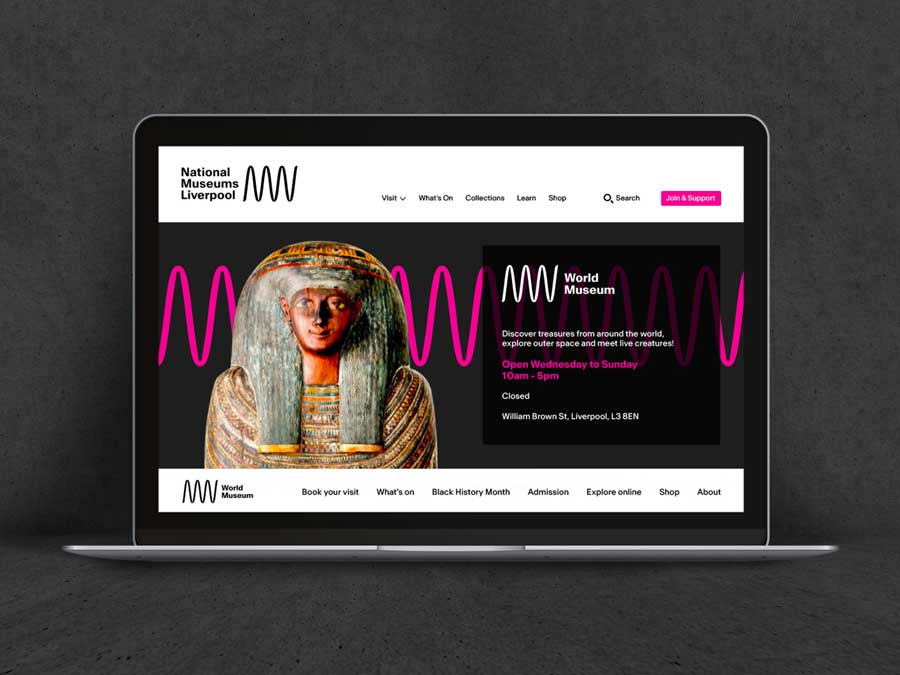
Copyright SomeOne
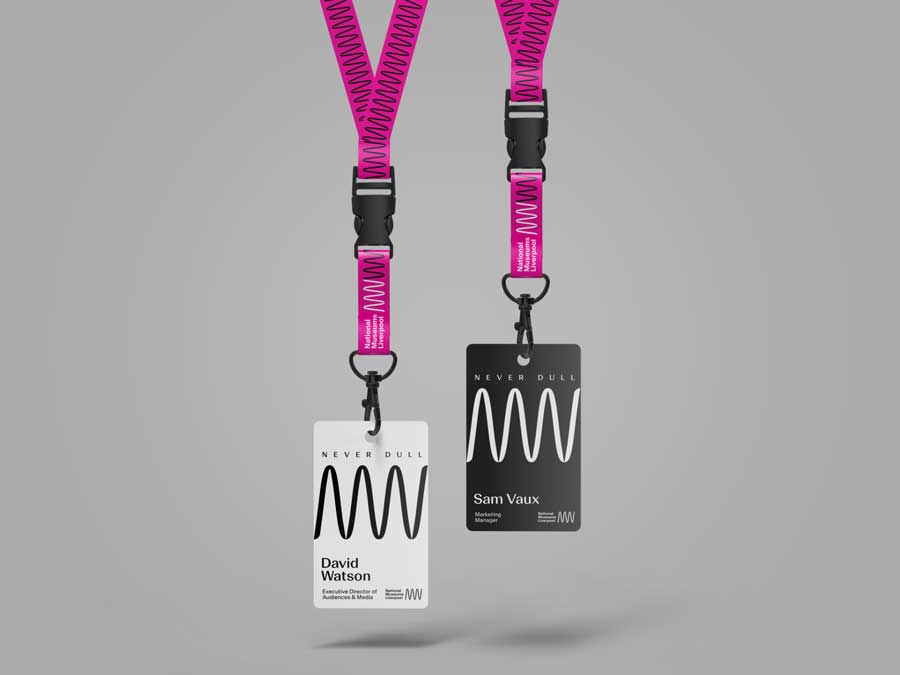
Copyright SomeOne
For related examples, explore museum branding that stands out. To plan a museum brand identity, map the names, messages and visitor touchpoints before commissioning the design. That is an editorial application of the case, rather than a claim that the launch measured higher visitor conversion.


About the author – Manuel Charr
Manuel Charr is a journalist working in the arts and cultural sectors. With a background in marketing, Manuel is drawn to arts organizations which are prepared to try inventive ways to reach new audiences.