Fresh ideas from museums around the globe in your inbox each week

At the Discovery Museum in Newcastle, Tyne & Wear Archives houses a significant collection of materials related to the region’s Jewish community. Lizzy Baker, Archives Lead, and Alex Boyd, Project Coordinator for the Unlocking North East Jewish Heritage project, have been working to uncover and preserve this rich history, making it accessible to wider audiences.
A Race Against Time
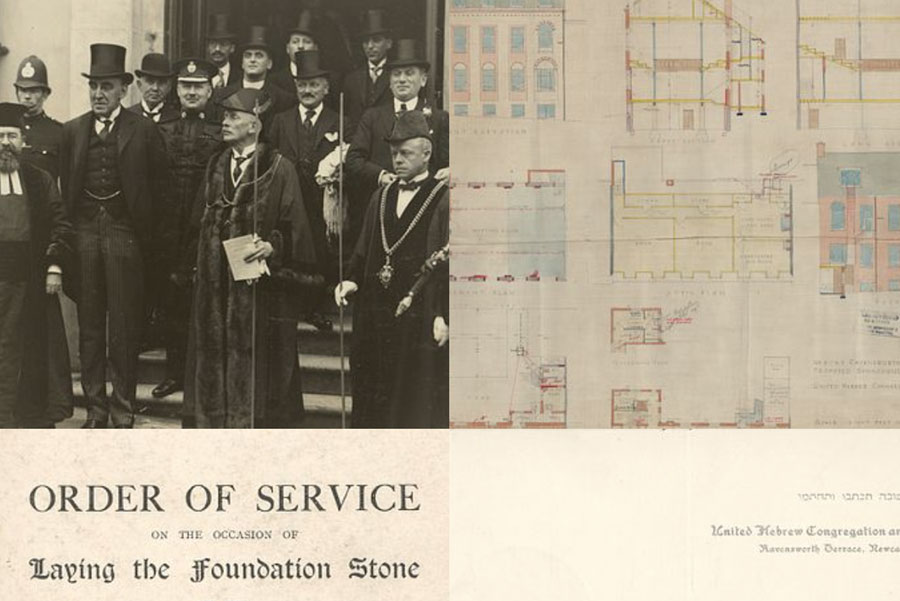
Records of Jewish life in Newcastle and the surrounding area have been lost as synagogues and other institutions closed, leaving gaps in the historical record. This reality underscores the importance of the Unlocking North East Jewish Heritage project, which aims to digitise and preserve as much material as possible, making it accessible to everyone.
“Many people don’t start exploring their heritage until later in life,” Boyd explained. “By then, those who hold the knowledge are often no longer with us.” This project not only preserves written records but also incorporates oral histories, ensuring the lived experiences of the community are documented.
Digitisation: Bridging the Past and the Present
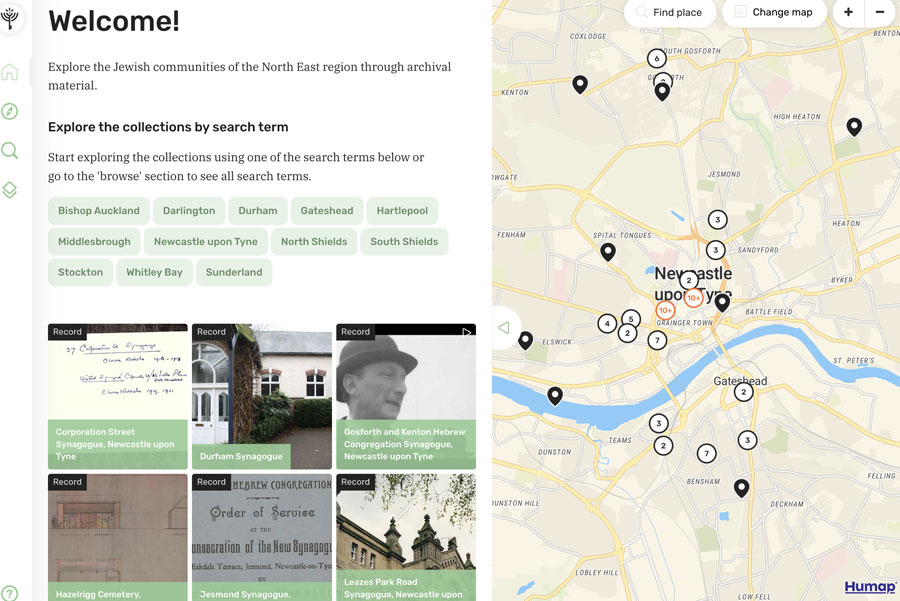
Traditionally, accessing these archives required appointments and on-site visits, but the digitisation effort is changing the game. By making documents available online, the project opens the door for people far beyond the region to engage with the Jewish history of the North East.
Users can explore the archive by text, theme or geographical location. These provide different starting points, rather than making every record easy to discover by default. “Maps have been an invaluable tool,” Baker said. “They provide a familiar starting point for users who may not know exactly what they’re looking for.”
Wellcome Collection’s work on connecting people, places and collection records shows another way to support discovery beyond a catalogue search.
Community Connections and Personal Stories
Through their work, Baker and Boyd have unearthed remarkable stories that connect the past to the present. From Jewish-owned businesses like Jackson the Tailors to community leaders who served as Lord Mayors, the archives capture a vibrant and engaged community. Boyd recalled one poignant moment when someone stopped him on the street to reminisce about getting their first suit from Jackson the Tailor—a testament to the enduring personal connection people have with these histories.
The urgency is about preserving records and the knowledge that helps explain them. Baker and Boyd described documents lost as institutions closed, and the value of recording memories while people can still share them. Digitisation can keep those sources available to researchers, descendants and others who cannot visit the archive in person.
Innovation in Archival Access
One of the standout aspects of the project has been its innovative approach to making archives more accessible. Beyond traditional catalogues, the project uses technology like optical character recognition (OCR) to enhance searchability. This, combined with the geographical mapping of archival materials, provides new ways for users to explore the collection.
The project has also benefited from collaborations with the Jewish community, who have helped shape the platform and its stories. Contributions from student placements have added fresh research and enriched the archive’s content, further expanding its scope.
Sharing interpretive authority with creative participants at the Great North Museum offers a related example of changing who shapes a museum story.
Challenges and Future Directions
A single record may relate to several places, such as where a person lived, worked or worshipped. Deciding how to represent those connections on a map has been a challenge, alongside making navigation useful to academic and non-academic users. Yet the team remains optimistic and focused on the future. Partnerships with organisations like Teesside Archives promise to bring even more materials into the fold, expanding the geographical and thematic reach of the collection.
As the project evolves, the goal remains clear: to engage more people with the rich stories held in the archives. “The story of a community is what’s most important,” Baker emphasised. By preserving and sharing these histories, the Unlocking North East Jewish Heritage project ensures they remain a vital part of the region’s cultural fabric.
Explore the Stories
The team invites you to explore the project platform and uncover the remarkable stories of the North East’s Jewish community. Whether you’re a researcher, a descendant, or simply curious, the collection offers a window into a fascinating and essential chapter of local history. Explore the Unlocking North East Jewish Heritage archive.
This article is based on the presentation, “Digitising Stories Beyond Our Walls”, by Lizzy Baker and Alex Boyd from Tyne & Wear Archives at the Digital Collections Summit 2024 organised by MuseumNext.




