Fresh ideas from museums around the globe in your inbox each week


At the Museum of Communication in Bern, sustainability is at the heart of a groundbreaking exhibition.
Planetopia – Space for World Change offers museum visitors an inspiring look at how small changes in everyday life can contribute to a healthier planet, while setting a benchmark for environmentally responsible exhibition design.
Planetopia addresses urgent environmental challenges through a unique blend of education, action, and innovation. Beyond providing valuable information, the exhibition is a platform for meaningful dialogue and real-world change, encouraging individuals and communities to adopt more sustainable habits.
At the Green Museums Summit 2023, Alexandra Heini and Ulrich Schenk shared the story behind the exhibition.
Sustainable Exhibition Design: Reuse as a Guiding Principle
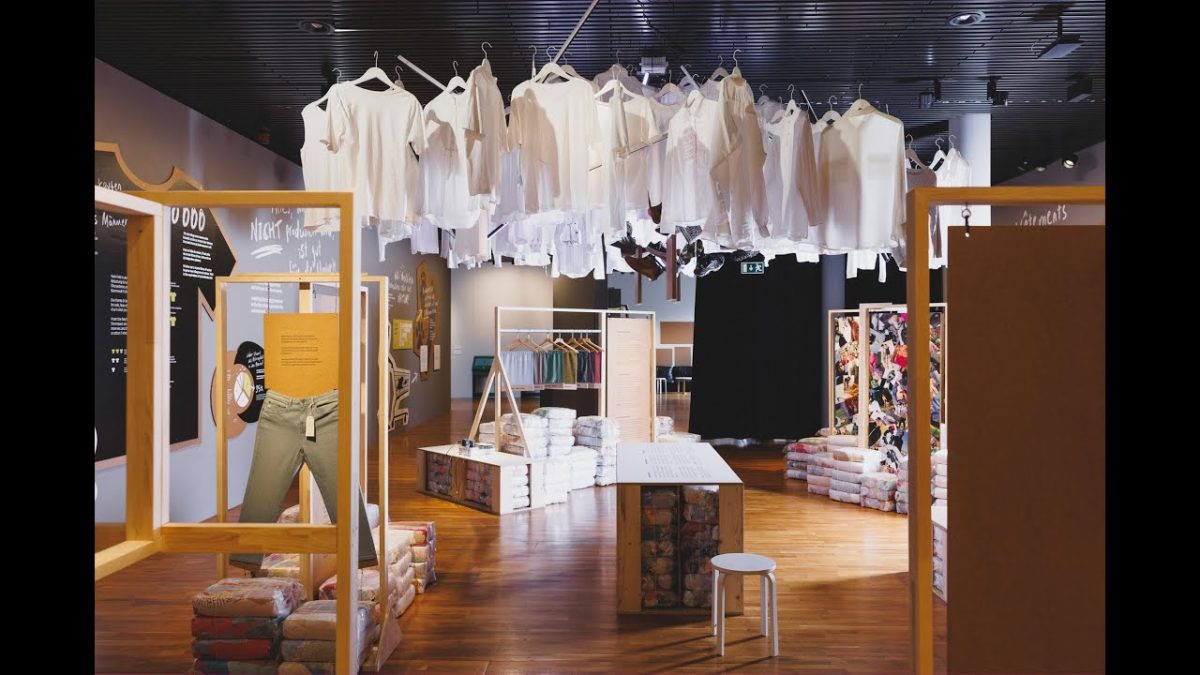
One of Planetopia’s most remarkable achievements is its commitment to creating minimal environmental impact. An impressive 90% of materials and devices used in the exhibition have been reused.
From old Vespa packaging turned into sturdy display panels to media applications running on refurbished equipment, the team embraced a ‘design by availability’ approach. Offcut Studio, a partner specialising in sustainable scenography, played a key role by sourcing surplus materials destined for landfill.
This creative process resulted in an exhibition that is not only environmentally friendly but also stylish, modern, and highly professional – far from the ‘shabby chic’ often associated with reused materials.
As project manager Ulrich Schenk notes, reusing materials is not a cost-saving measure. Instead, it demands more time, effort, and ingenuity, requiring additional phases for sourcing, storing, and adapting materials.
Manchester Museum offers another perspective on planning storage and reuse between exhibitions.
The result, however, is a tangible demonstration of how museums can innovate and adopt more sustainable practices without compromising on quality.
The Museum as a Platform for Change
Planetopia extends far beyond static displays. Designed as a dynamic, participatory space, it empowers visitors to take action in their own lives. Four key themes – fast fashion, housing, mobility, and food – are explored to show how personal decisions directly impact climate change and biodiversity.
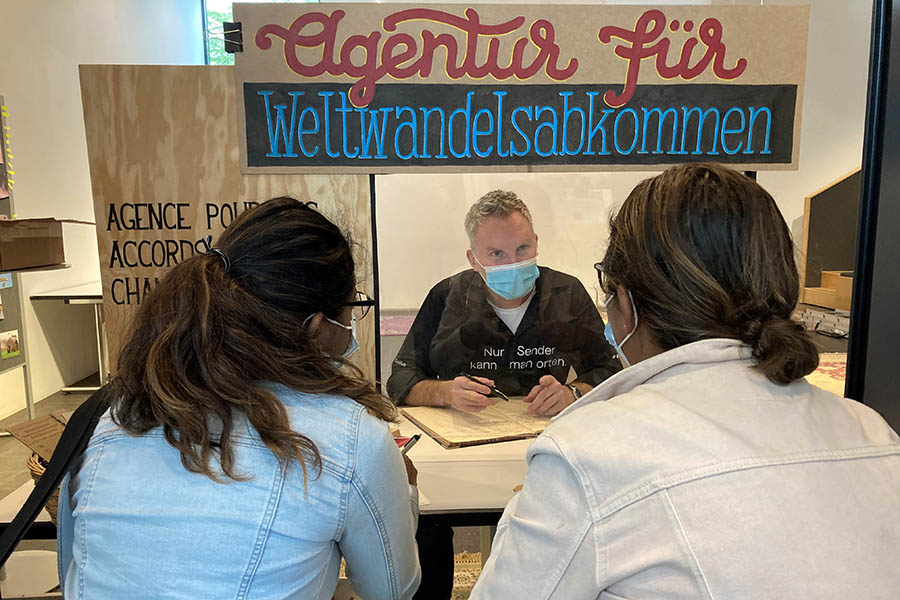
A standout feature of the exhibition is the World Change Agreement. Initially developed as a mobile pop-up concept, this initiative encourages visitors to make a personal pledge to adopt a more eco-friendly habit. Playful yet serious in tone, participants receive an official agreement, complete with a stamp and registry signature, creating a tangible commitment to change.
The team also introduced a digital version of the World Change Agreement, where visitors can answer a series of lifestyle questions and receive eco-friendly suggestions tailored to them. To date, over 5,000 agreements have been made. From pledging to grow chickpeas at home to reusing a family wedding dress, visitors are motivated to adopt small but meaningful changes.
Compare this invitation with inviting visitors to reflect on their relationship with nature at Stapferhaus.
Transforming the Museum’s Operations
The project did not stop at visitor engagement. Recognising the importance of leading by example, the Museum of Communication undertook its own sustainability journey. The Planetopia project prompted an internal review of the museum’s operations, resulting in practical steps such as replacing PET bottled water in the office and moving a temperature-sensitive depot to a naturally cool basement, saving energy on air-conditioning.
This process was not without its challenges. As Alexandra Heini explains, even small changes can meet resistance, such as team members reluctant to give up sparkling water in PET bottles. Open dialogue and a willingness to start small proved crucial in overcoming hurdles and building momentum for more significant changes.
Lessons Learned for the Sector
The team’s experience with Planetopia offers valuable insights for museum professionals exploring sustainable exhibition practices:
- Reusing materials is not cheaper, but it can be highly effective when partnered with creativity, time, and strong networks.
- Sustainability demands new ways of thinking and flexibility in processes, with additional phases for sourcing and adapting materials.
- Even small, achievable steps can foster significant change, both within institutions and in their communities.
What changed inside the museum
Planetopia’s reuse strategy changed the production process as well as the finished appearance. Materials had to be found, stored and adapted, making time and partnerships essential resources. That is a useful consideration for teams planning a similar exhibition: a reuse brief needs room in the schedule for availability to influence the design. The visitor agreements offer a different kind of information, showing participation in the exhibition’s invitation to act without establishing what happened after people left.
As Ulrich Schenk reflects, the success of Planetopia proves that change is possible: “We changed, and there’s no going back. We are on this path and will continue forward.”
–
This article is based on the presentation “Planetopia: Museum for World Change” by Alexandra Heini and Ulrich Schenk, from the Museum of Communication at the Green Museums Summit 2023, organised by MuseumNext.