Fresh ideas from museums around the globe in your inbox each week

March 04 2024
 By Manuel Charr
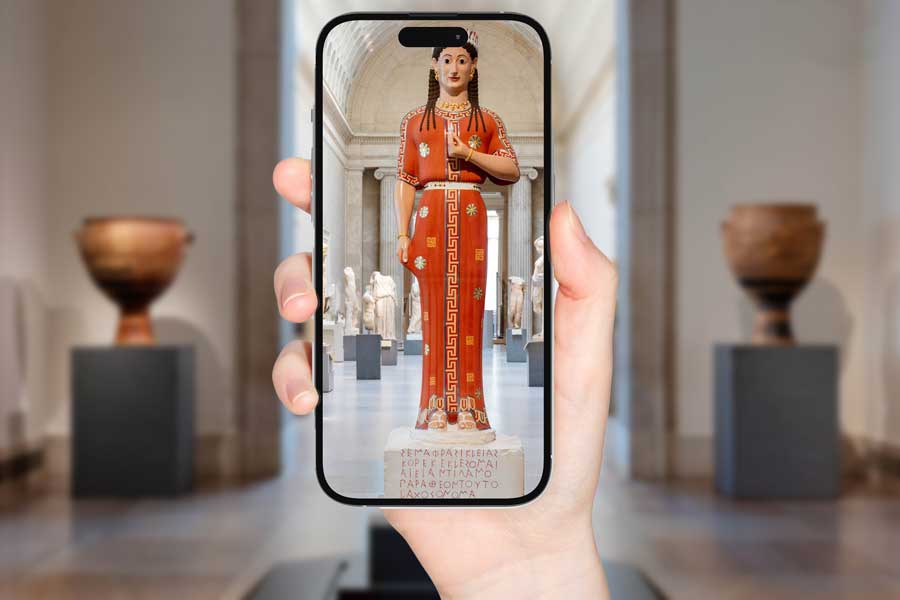
The Metropolitan Museum of Art’s exhibition, Chroma: Ancient Sculpture in Colour, gave visitors a fresh look at ancient Greek sculptures. At the centre of the exhibition was a colourful recreation of the Met’s Archaic-period Sphinx finial. While impressive, it left many visitors wondering: How do we know it looked like that?
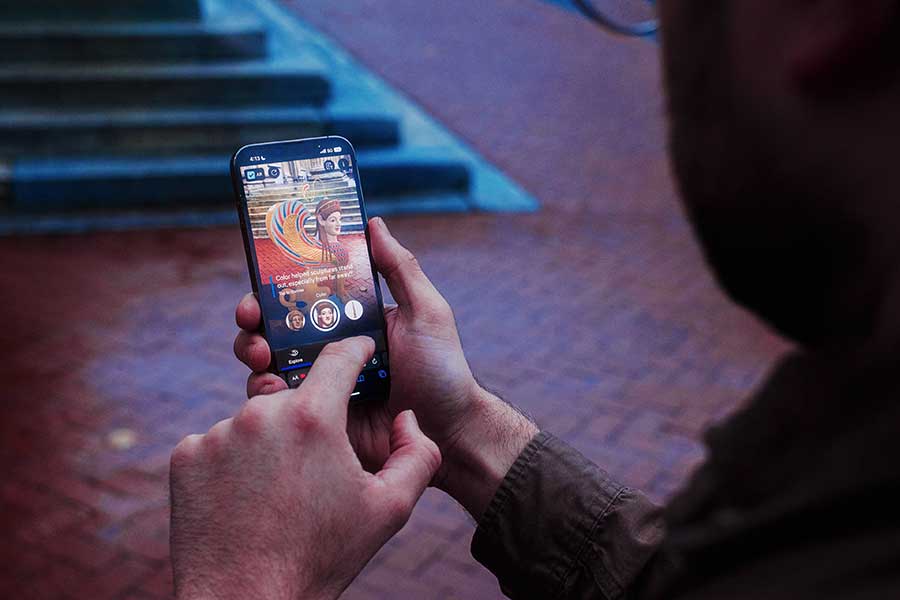
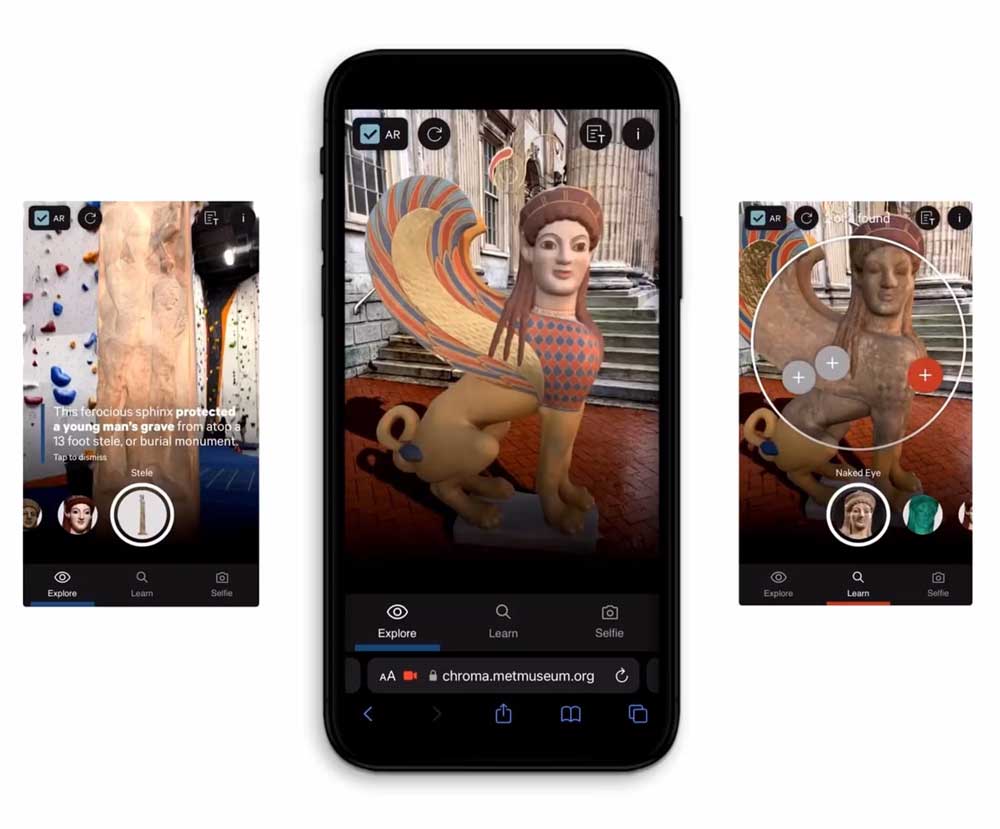
To answer this question, the museum turned to augmented reality (AR). In partnership with the creative agency Bluecadet, they created Chroma AR, an app that helps visitors explore the science and research behind the Sphinx’s original colours.
At the MuseumNext Digital Summit, Sarah Lepinski and Tricia Robson from The Metropolitan Museum of Art, along with Brett Renfer from Bluecadet, shared their journey in creating Chroma AR. They talked about their teamwork, challenges, and hopes for the future of AR in museums.
Explaining reconstruction through AR
The Chroma exhibition aimed to change how people see ancient sculptures. While many believe these statues were plain white marble, research shows they were once painted with bright colours, gold, and other decorations.
The AR experience focused on the Met’s Sphinx finial, a sculpture from the 6th century BCE that once stood on top of a grave marker in ancient Athens. Through Chroma AR, visitors could see how scientists discovered the statue’s original colours and patterns.
Why Use AR?
The Met’s plan for the future includes using new technologies to improve visitor experiences. AR was the perfect choice for Chroma for three reasons:
- Visual Surprise: AR allowed visitors to see the sculpture’s colours come to life in real-time.
- Layered Storytelling: The app let visitors dig deeper into the research behind the colours.
- Interactive Experience: People could use the app both in the museum and at home.
Building the AR Experience
The Chroma AR project brought together experts from different fields, including curators, scientists, digital designers, and visitor experience teams. This mix of talents helped ensure the app was both accurate and engaging.
Working with Bluecadet, the team tested different ideas to make the AR experience easy to use and fun. In the end, they created an app that let visitors explore at their own pace, with options for quick looks or deeper dives into the science.
Reducing camera and onboarding friction
One big lesson was the importance of making the app easy to start. AR apps often need several permissions and clicks, which can frustrate users. The team also noticed that while many people loved interactive selfie features, others preferred simpler options.
To make the app more accessible, they added ways to explore without using the camera and made sure the navigation was easy for everyone.
The Impact and Future of AR in Museums
Chroma AR began with a visitor’s question: how could researchers reconstruct the Sphinx’s colour? Sarah Lepinski, Tricia Robson and Brett Renfer described an experience that let visitors choose a brief encounter or investigate the science more closely. Their testing also exposed friction in permissions and camera use. A camera-free route offered another way into the content, while adding a gallery QR code increased use. For museums planning comparable interpretation, the lesson is to design the invitation and first interaction as carefully as the visual reconstruction.
For a related case study, see Prague’s markerless AR approach.
–
Sarah Lepinski and Tricia Robson from The Metropolitan Museum of Art, along with Brett Renfer from Bluecadet shared their journey in creating Chroma AR at the MuseumNext Digital Summit.


About the author – Manuel Charr
Manuel Charr is a journalist working in the arts and cultural sectors. With a background in marketing, Manuel is drawn to arts organizations which are prepared to try inventive ways to reach new audiences.