Fresh ideas from museums around the globe in your inbox each week

March 03 2025
 By Manuel Charr

Visitors interact with a gamified exhibit at Bletchley Park’s “Intelligence Factory,” learning codebreaking through play.
Not long ago, “play” was a four-letter word in the hushed halls of museums. Curators fretted that games and frivolity would cheapen their sanctuaries of culture. The typical museum was a temple of reverence: artifacts in glass cases, “do not touch” signs, and respectful silence.
Now imagine the opposite—a museum buzzing with visitors hunting virtual clues among antique clocks, teenagers reenacting ancient myths in the galleries, kids worldwide exploring art exhibits inside Minecraft. This isn’t a fanciful vision; it’s happening right now.
Museums have used play in different ways: to invite close looking, create stories with visitors and make room for exploration. The examples below show some of the design choices involved.
Want more insights like this? Explore our upcoming virtual conferences here
The New Rules of Engagement
What sparked this playful revolution? Necessity. Today’s audiences don’t just want to observe—they crave participation. As one analysis notes, “Museums are typically thought of as destinations to house and display art… But it is becoming clear that museums must actively engage their visitors in order to survive.”
The shift is both cultural and generational. Millennials and Gen Z grew up with video games, interactive media, and hands-on learning. To engage these groups and their families, museums are blending education with entertainment in increasingly clever ways.
This doesn’t mean dumbing things down—it means inviting visitors to do things, not just look at them. The result? Museums that feel less like sterile galleries and more like vibrant community spaces where curiosity and fun go hand in hand.
Living Mythology: The Hellenic Museum’s Bold Experiment
The Hellenic Museum in Melbourne offers a vivid example of this transformation. Breaking away from traditional exhibits behind glass, the museum staged Mysterion: Descent Into Hades—a live-action role-playing event that plunged visitors into the underworld of Greek mythology.
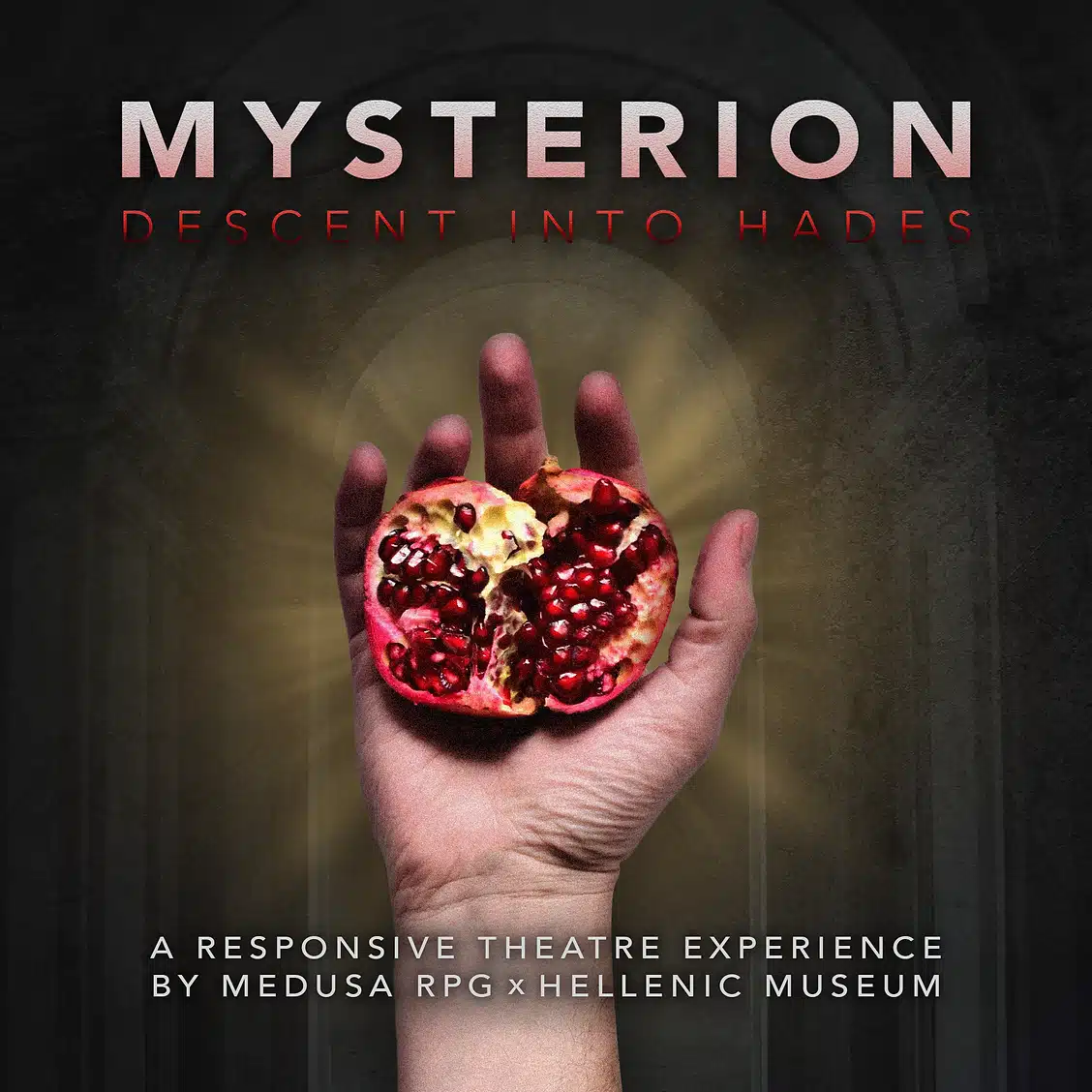
Participants weren’t just learning about ancient myths—they were living them, taking on the roles of heroes and gods in an interactive story. This immersive play blurs the line between education and entertainment, offering a deeply engaging experience for people who might not typically feel connected to museum spaces.
When visitors become players, they form personal memories and emotional connections to the content. That’s a far cry from passively reading wall text. The Hellenic Museum’s experiment shows how unlocking imagination through play can make history feel alive and urgent, even to those who thought museums weren’t for them.
An Unlikely Alliance: Gamers Meet Galleries
Perhaps the most surprising partners in this movement are video gamers themselves. The global gaming community—millions strong and famously passionate—might seem worlds apart from museums. But forward-looking curators see opportunity where others see opposition.
Games capture attention; they reward exploration and problem-solving. Isn’t that what museums strive to do too?
Put these ideas into practice! Our virtual conferences are designed to help museum professionals do exactly that. Find out what’s on
Building Worlds in Minecraft
Museums have started tapping into popular game platforms to reach new audiences on their own turf. Minecraft, one of the world’s best-selling games, has become an unexpected educational tool. Museum educators now build virtual worlds related to their collections, inviting players to explore or even co-create.
In his 2016 MuseumNext talk, artist and educator Adam Clarke explained: “We’ve just recently done probably the world’s first arts residency using Minecraft… So kids could learn about the artwork by simply walking into a Minecraft map.”

Image : Alex_de_Grote
Picture this: a curator builds an art exhibit inside Minecraft’s blocky universe, and young people anywhere on the globe can wander through it, encountering paintings and sculptures as immersive 3D experiences. A teenager in Manchester or Mumbai can join in, learning about art or history through gameplay.
By meeting young people where they already play, museums extend their reach beyond physical walls—turning distant online gamers into virtual visitors. Rather than being passive digital consumers, these visitors actively build, craft, and problem-solve in worlds the museum has shaped.
The Magic of Augmented Reality
Technology fuels this alliance between gaming and galleries. Augmented reality (AR) games, mobile apps, and hybrids of physical and digital play are emerging across museums worldwide. Imagine walking into a gallery where a painting blossoms into animation when you point your phone at it, or a floor map that lights up with virtual water flowing at your feet, redirected by your gestures.
This isn’t science fiction—it’s the kind of interactive experience museums are beginning to offer.
Vienna’s Time-Travel Adventure
The Vienna Clock Museum provides a stunning real-world example. In 2024, this historic institution—home to centuries-old clocks and automata—launched an AR-driven escape room game called A Shared Secret. Visitors aged 15 and up use tablets as magic lenses, gaining “X-ray vision” into antique clocks on display.

Through the tablet, gears and mechanisms leap into motion in 3D, virtual clues overlay real exhibits, and a traditional gallery transforms into a treasure hunt. The museum’s education, curation, and conservation teams collaborated with game developers—a collaboration across interpretation, conservation and game design.
The result gives “new impulse to an old permanent exhibition” while challenging the old no-touch paradigm. Visitors can’t physically handle the delicate clocks, but through AR they can virtually interact with them—peering inside, seeing them in their original contexts, understanding how they work. The Clock Museum found a playful way to communicate complex, technical heritage to a generation raised on interactive technology.
Beyond Gimmicks: From Gamification to Genuine Engagement
The success of these initiatives goes beyond technological novelty. At heart, it’s about making museum experiences more human-centered and emotionally engaging.
Cracking Codes at Bletchley Park
Consider Bletchley Park in England—the once-secret WWII codebreaking center, now a museum. Bletchley faced the challenge of explaining esoteric cipher machines and wartime secrecy to visitors with no living memory of the war. How do you bring this complex history to life?
Their answer: put visitors in the codebreakers’ shoes and turn the visit into a game.

In their exhibition The Intelligence Factory, the Bletchley team “identified early that putting visitors in the shoes of [the workers] and gamifying tricky processes would be the right approach to distill and present information” to a broad audience. Rather than just reading about decrypting enemy codes, visitors get to try their hand at it through interactive puzzles and digital simulations.
Throughout the exhibition, silhouettes of historical staff members appear, and hands-on stations invite you to take on their roles. It’s all designed to help visitors truly imagine themselves as part of the wartime effort.
This approach wasn’t without internal controversy. As one curator admitted, on paper “gamifying the work that happened at Bletchley Park could seem frivolous and at odds with the historical and technical detail that loyal Bletchley enthusiasts value.”
But the team discovered that play and authenticity aren’t mutually exclusive. By carefully blending technology, narrative, and real artifacts, they created an experience that both entertains and informs. The interactive codebreaking doesn’t dumb down the subject—it actually helps visitors appreciate the ingenuity and difficulty of the real work better than static displays could.
The “bang for our buck,” as exhibit planners put it, came from putting visitors at “the heart of the ‘doing'” of Bletchley Park’s mission.
Learning Through Nature Play
Museums are discovering why this shift to play matters beyond just attracting crowds. Play is how humans naturally learn. Children understand their world through games and imagination—museums are now tapping into this fundamental learning mode for all ages.

The award-winning Primeval Forest of Silva project exemplifies this approach. Launched in mid-2022, this interactive workshop turns ecological knowledge into hands-on adventure. Children explore works from the collection, create their own creatures and see those creations enter an imagined digital forest.
The team used the imagined forest to open a conversation about biodiversity through art and making. The published interview describes their intentions and visitor responses, rather than a measured learning outcome.
Different forms of play offer different ways to take part. Their accessibility and educational value need to be tested with the intended audience.
Handing Over the Curator’s Keys
Perhaps the most profound change is how museums view their relationship with audiences—especially young people. The old top-down model, where museums were experts and the public passive recipients, is giving way to something more participatory. Some museums now invite youth to help shape experiences themselves, effectively sharing the curator’s role.
Youth as Co-Creators
Musea Brugge in Belgium stands out for “redefining the role of young people in museums with a forward-thinking approach to participation and co-creation.” Over several years, they’ve developed initiatives to actively involve local youth (ages 16–26) in meaningful, empowered ways.
This isn’t tokenism—young participants get real ownership of projects, from contributing exhibition ideas to organizing events. The result “empowers the next generation to take real ownership of cultural narratives,” ensuring the museum’s future relevance.
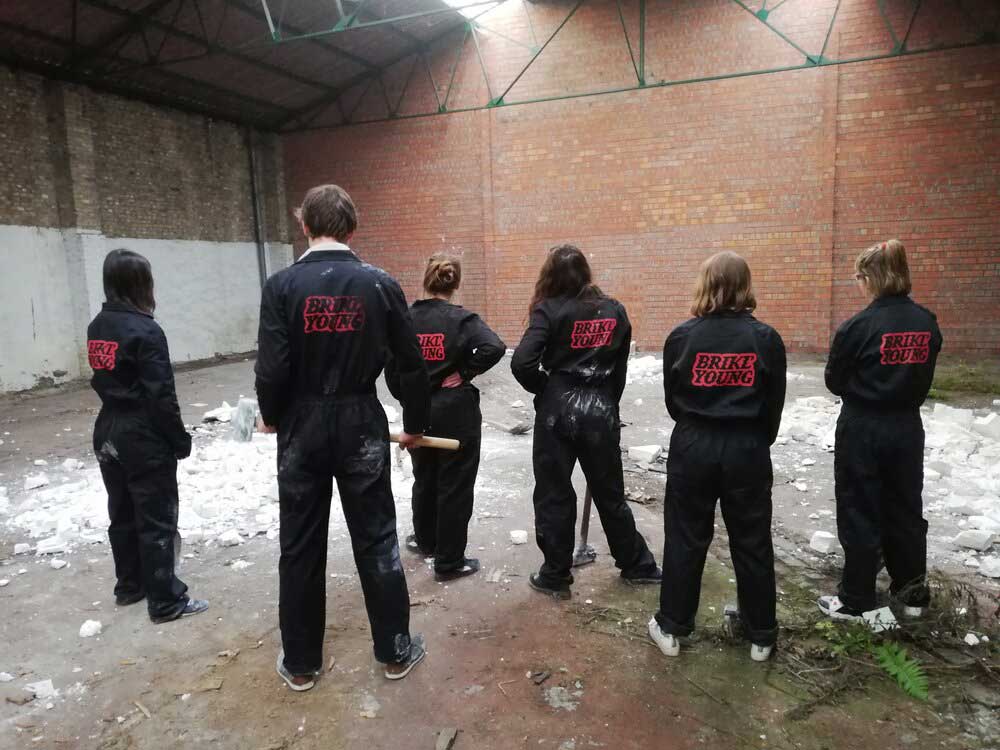
In practical terms, this might look like teen advisory boards collaborating on youth culture exhibits, or student interns helping design interactive elements for their peers. By trusting young people as creators, not just consumers, museums benefit from fresh perspectives and creative energy.
The institution learns from kids as much as kids learn from the institution. It’s a radical rethink: museums become platforms for dialogue and creativity across generations rather than one-way transmitters of knowledge.
As one MuseumNext commentator observed, this strategy “not only enriches the museum experience but also ensures its relevance in the future.” Today’s kids are tomorrow’s decision-makers and patrons. Cultivating playful, inclusive relationships with the next generation isn’t just nice-to-have—it’s imperative for institutional survival.
The Gamification Trap: Play with Purpose
For all the excitement around games and play, museum professionals are learning an important lesson: not all “gamification” is created equal. Simply adding points, badges, or leaderboards to exhibits doesn’t automatically create engagement. Done poorly, gamification feels patronizing or gimmicky—exactly what skeptics fear.
Museum tech consultant Andrea Marshall warns that “after the initial urge to collect points fades, consumers can find themselves asking—’what was the point of that?'” If game elements don’t enrich the museum visit, people see through them quickly.

The real goal is meaningful play—experiences where fun and learning reinforce each other. When “gaming in museums is done well,” Marshall notes, it can be highly educational and leave lasting impact, but “it’s not enough to lure visitors with the promise of points or badges if these don’t serve to educate.”
The best museum games are deeply tied to subject matter, using play as a tool to illuminate content, not obscure it. This requires careful design: interdisciplinary teams of curators, educators, designers, and technologists working together. It’s a new workflow for museums—one resembling creative studios or tech startups as much as research institutions.
For an approach without fixed goals or rewards, read about making room for child-led play at the Royal Academy.
Measuring Success in a New Era
Embracing play changes how museums measure success. Instead of just counting door entries, progressive institutions ask: How long did visitors stay? What did they do? Did they smile, talk, experiment?
Observe how visitors use the activity: where they pause, when they ask for help and whether they choose to work together. Record those observations without assuming that longer dwell time means better learning.
The focus has shifted “from objects to experiences” as the core of museum design. Objects remain important, but they’re now staged to provoke feeling, participation, and personal connection. Exhibits become “3D, interactive, moving and affecting as many senses as possible… All to attract, entertain and educate visitors.”
Museums once took pride in rooms full of artifacts that visitors quietly admired. Today, they equally prize immersive installations that visitors discuss excitedly, or games that turn one-time visitors into regular online community participants.
The Secret of the Dome Stars offers a closer look at testing a gallery game with families before launch.
The Future of Cultural Engagement
What does this playful revolution mean for museums’ future? In many ways, it’s making them more inclusive and resilient. By opening doors to playfulness, museums signal that everyone is welcome—kids, gamers, enthusiasts, and novices alike—and that learning can be joyful rather than daunting.
Institutional thinking is evolving. Museum leaders increasingly hire experience designers and game developers, consult child psychologists and community artists, and value visitor feedback as much as scholarly recognition. There’s growing recognition that museums can fulfill their educational and inspirational mission only if they resonate with how people actually live and learn in the 21st century.
Play isn’t a panacea, but it’s a powerful medium for sparking engagement. It invites people to lean in and discover rather than step back and observe. In a world where cultural institutions compete with countless entertainment options, those offering active audience roles stand out.
If a museum wants to understand whether an activity encourages future visits or support, it needs to measure that separately from participation in the game.
Purpose Through Play
None of this means museums are abandoning scholarly roots or dumbing down content. Many argue that by using play, museums are strengthening their educational impact. The material remains—the science, history, and art—but it’s delivered in ways that meet visitors where they are.
As one MuseumNext article emphasized, it’s about putting visitors “at the heart of the ‘doing’.” When people do something, they remember it. Decoding secret messages at Bletchley Park or saving virtual forest creatures in eco-games can imprint lessons more firmly than panel text ever could.
The process of designing playful experiences has pushed museums to collaborate in new ways and become more audience-focused. It encourages bold questions: What if a museum was more like a game? What if visitors could choose their own adventure through our content? What if children were our co-curators?
These questions spur innovation that reverberates through all aspects of museum practice, from exhibition design to community outreach.
The Long Game
Start with the experience you want to offer. A role-playing evening needs performers and a clear invitation to join in; a gallery puzzle needs reliable wayfinding; open-ended play needs time, materials and room for children to make their own decisions. Test a small version with the people you hope will use it, and decide what you need to observe before investing in a larger build.
Our virtual conferences are one of the most affordable ways to stay at the forefront of museum practice. Explore our upcoming events here


About the author – Manuel Charr
Manuel Charr is a journalist working in the arts and cultural sectors. With a background in marketing, Manuel is drawn to arts organizations which are prepared to try inventive ways to reach new audiences.