Fresh ideas from museums around the globe in your inbox each week

June 18 2024
 By Jim Richardson
Loading the Elevenlabs Text to Speech AudioNative Player…
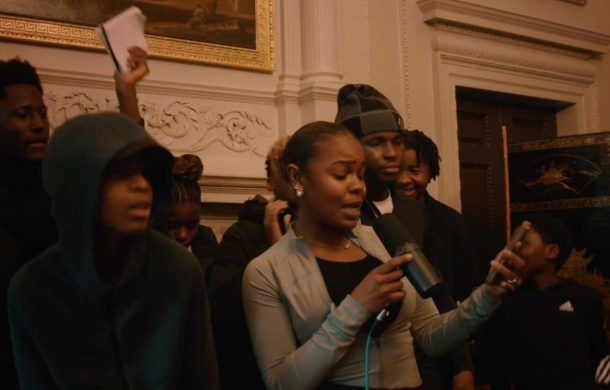
Musea Brugge has been redefining the role of young people in museums with a forward-thinking approach to participation and co-creation. Over the past several years, they have developed a series of innovative initiatives aimed at actively involving young people aged 16 to 26 in meaningful and empowering ways.
For Musea Brugge, the central idea is clear: young people should have ownership of every project they participate in. From shaping exhibitions to making institutional recommendations, their voices aren’t just welcomed—they are integral.
At the Museum Learning Summit 2024, Lieven De Visch shared the museums’ work in this area.
Empowering Creativity: What is the Brikl’Young Collective?
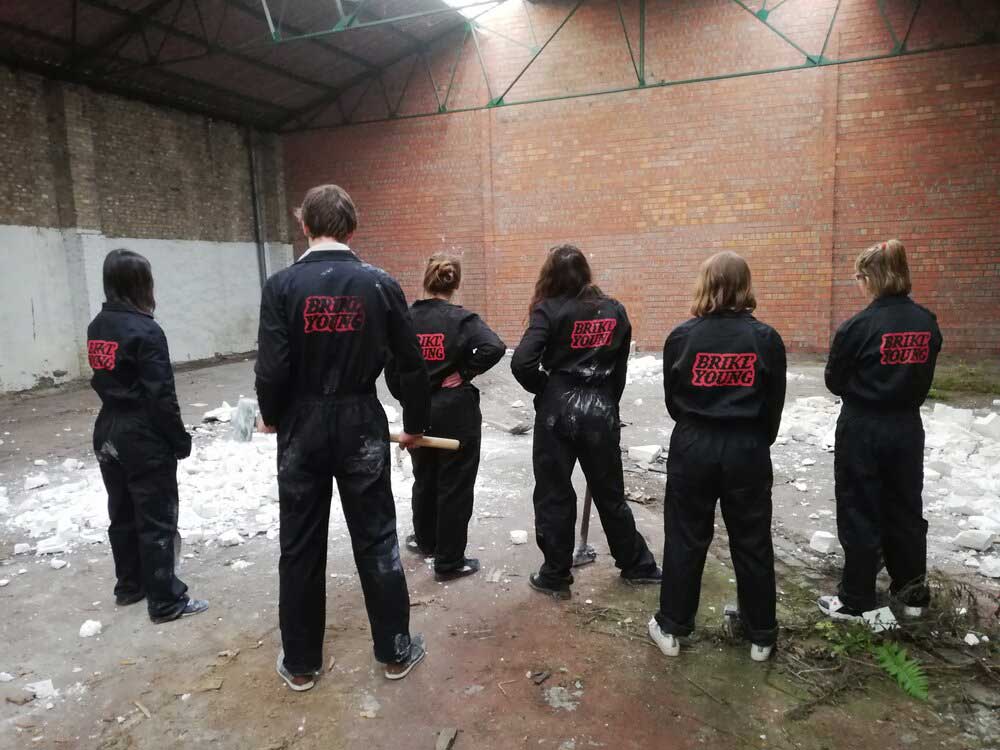
At the heart of Musea Brugge’s youth engagement strategy is Brikl’Young, an artistic team of young people who collaborate on exhibitions and creative projects. The participants don’t simply contribute; they steer the process—determining its content and direction.
A standout example is the Pimping the Palace project, which marked the reopening of the Gruuthuse Museum in 2019. Young people worked alongside professional artists to interpret the heritage collection in their own way. The result? A youth-led exhibition presented alongside the museum’s official programme.
Brikl’Young continues to deliver projects such as Music is My Medicine, empowering participants to explore themes of grief, resilience, and mental health through art, music, and storytelling.
Behind the Scenes: How Do Young Ambassadors Influence the Museum?
The Young Ambassadors programme takes youth participation even further by integrating young people into the museum’s operations. Through an open call, Musea Brugge recruits young adults interested in careers in the heritage sector.
Young Ambassadors spend months working behind the scenes, gaining insights into museum operations while challenging the status quo. They offer critical feedback, tackle blind spots, and propose improvements based on their fresh perspectives.
Lieven De Visch, General Coordinator of Exhibitions, highlights the programme’s dual value:
“It’s about giving young people real agency to influence our work, not just offering them an experience.”
One ambassador has already transitioned into an internship and a subsequent full-time role—demonstrating the programme’s potential to support emerging talent.
How Can Museums Collaborate with Education for Greater Impact?
Musea Brugge’s third pillar of youth engagement focuses on collaboration with education, creating tailor-made projects linked to the exhibition programme.
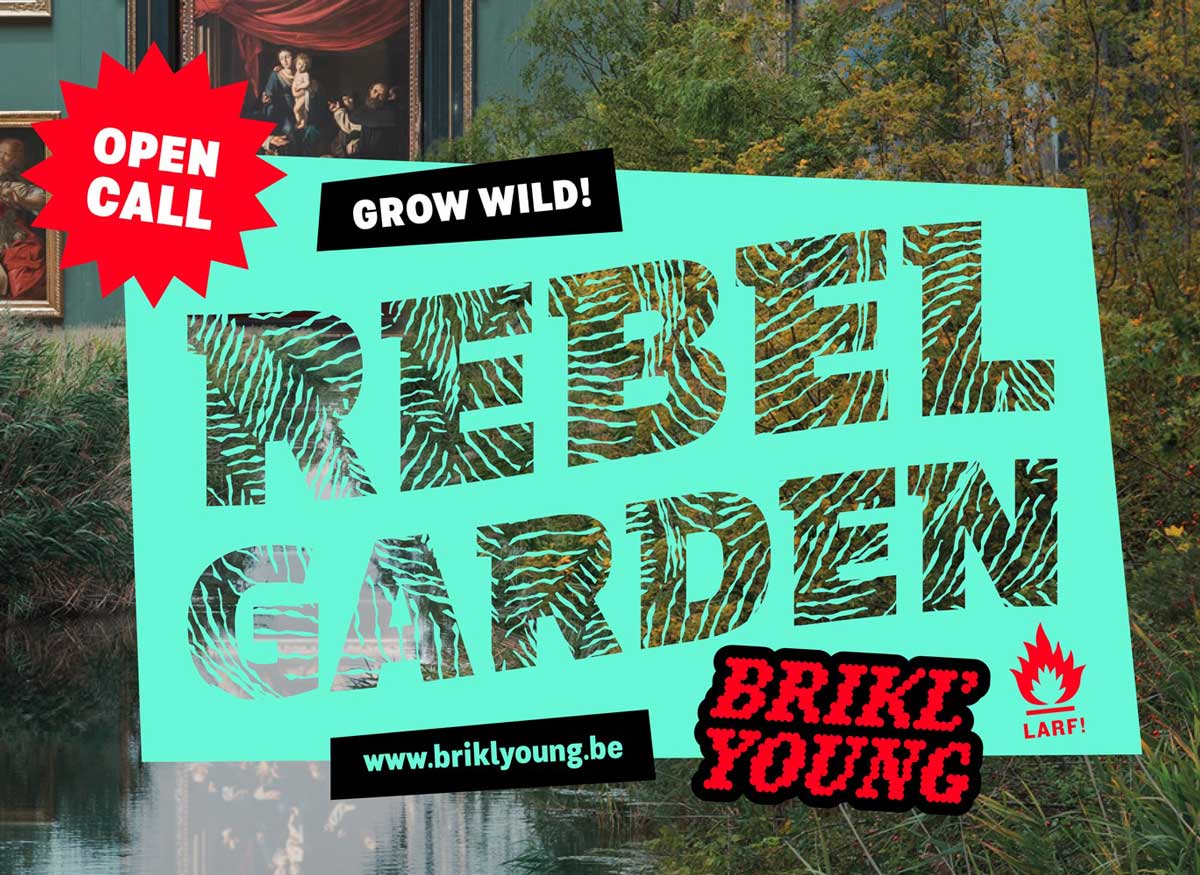
The Rebel Garden exhibition in 2023 provided a standout example. Architecture students from Hogeschool Howest were invited to design innovative guerrilla gardens addressing climate change. Over a week, students developed concepts like green bus shelters, hanging gardens, and DIY urban solutions.
This collaboration brought the students’ creativity to the forefront, giving them a real opportunity to shape the museum’s spaces. Their work became an integral part of the exhibition, equal to contributions from professional artists.
Lessons Learned: What Makes Youth Ownership Meaningful?
Over five years of experimentation, Musea Brugge has learned key lessons for museums seeking to give young people real ownership:
- Balance: Projects must focus on what young people gain from participation, not just the museum’s goals.
- Flexibility: Tailor opportunities to the needs, skills, and interests of young participants.
- Time: Building meaningful relationships and authentic ownership requires patience and investment.
Lieven De Visch stresses the importance of putting the audience first:
“We must ask what the real value is for young people to engage with us—not rely on our own assumptions or gut feelings.”
Choosing What Young People Can Shape
The three strands offer different kinds of responsibility. A creative collective can shape an exhibition response, ambassadors can question institutional practice, and students can develop work through a course partnership. For another museum, the useful first choice is which decisions it can genuinely share and what support participants need to make them.
Louvre Abu Dhabi’s student takeover offers a related example of supporting student work for a public museum audience.
The 2024 presentation described youth participation as part of Musea Brugge’s plans for the years ahead.
–
This article is based on the presentation, "Briklyoung & Young Ambassadors: co-creative youngsters in Musea Brugge", by Lieven De Visch from Musea Brugge at the Museum Learning Summit 2024 organised by MuseumNext.


About the author – Jim Richardson
Jim Richardson is the founder of MuseumNext. He has worked with the museum sector on digital and innovation projects for almost thirty years and now spends his time championing best practice through MuseumNext.