Fresh ideas from museums around the globe in your inbox each week

September 02 2025
 By Manuel Charr
At Mark | Museum for a New Danish History, curator Anna Louise Siggaard has been experimenting with a radical idea: if museums want people to act on climate change, they need to rethink the way incentives work inside their walls. Instead of information campaigns or policy PDFs, the museum has built experiences where participation feels easier, more rewarding, and more meaningful than doing nothing at all.
Turning Policy into Practice
When local politicians released a climate action plan, it landed—as many such plans do—in a PDF that few people read. Mark Museum saw the problem differently: the plan wasn’t failing because of bad ideas, but because there was no reason for ordinary people to engage.
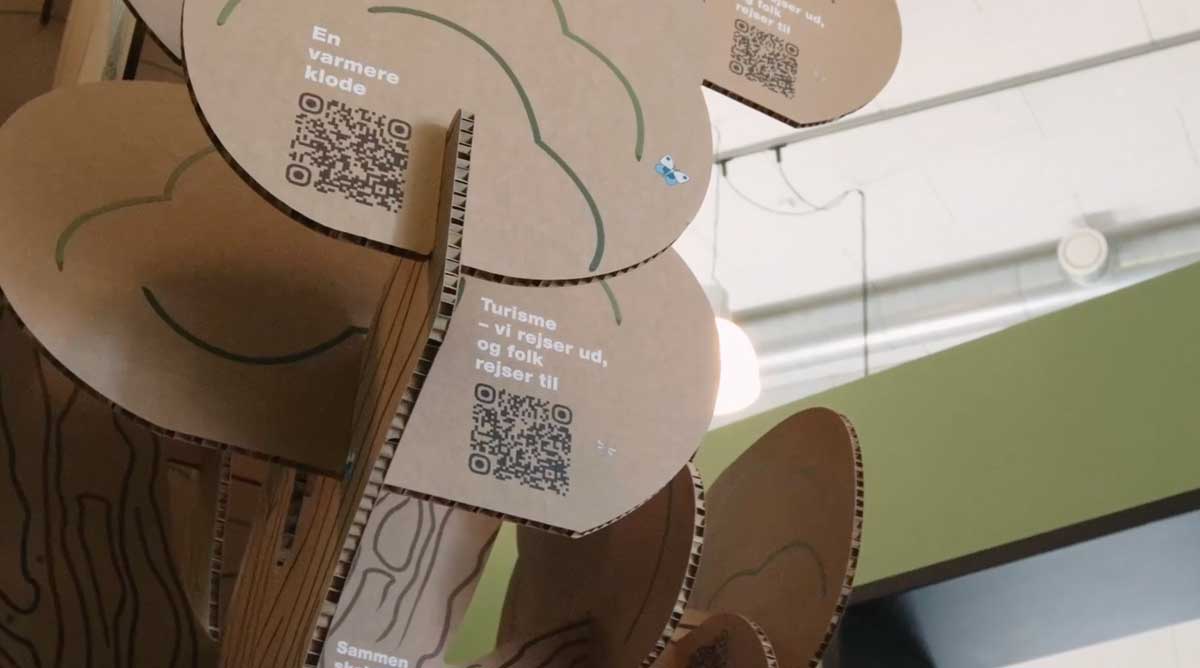
Their solution was Climate Roots, a traveling cardboard exhibition shaped like a tree. Rather than asking residents to read, the museum invited them to add “hopes” to the branches—handwritten ideas, drawings, even prototypes created in workshops with more than 200 young people. Each new contribution made the tree bloom, and every leaf added reinforced the signal that “people like me care about this.”
Put these ideas into practice! Our virtual conferences are designed to help museum professionals do exactly that. Find out what’s on
Shifting Authority Creates Ownership
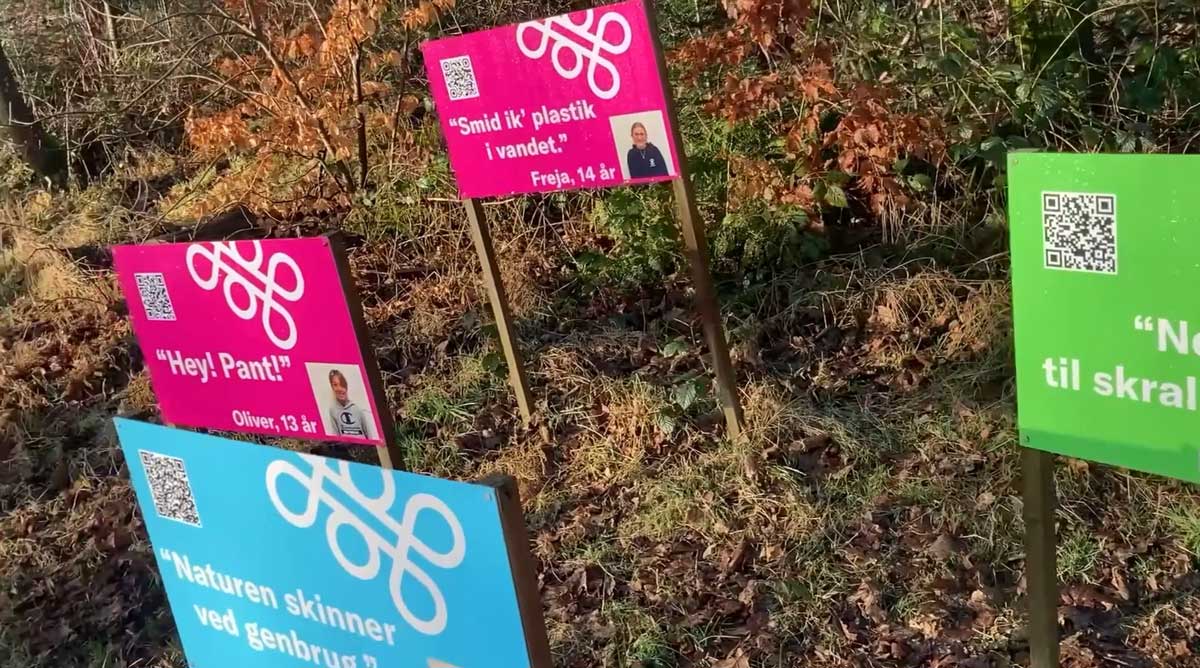
In the exhibition Your Past, Our Future, teenagers were asked not to listen, but to lead. They wrote blunt, emotional placards—“What the hell were you thinking?”; “I’m not your trash can”—and insisted on speaking at the exhibition opening themselves.
By giving away curatorial control, the museum increased its influence. The students owned the message, and ownership translated into advocacy. What could have been another educational program became a civic platform where young voices carried the weight of institutional credibility.
When Emotion Sparks, Action Must Follow
Not all experiments worked smoothly. A sensory walk about local water pollution had students submerge their feet while learning about toxins and disease linked to the site’s history. The shock was effective—it made them feel the problem viscerally—but some later developed anxiety.
The lesson? Emotion is powerful but expensive. Unless it’s paired with time to process and channel feelings into action, the “cost” of caring can outweigh the benefits. The museum now builds reflection time into every climate program, ensuring feelings become fuel rather than friction.
Redefining Value
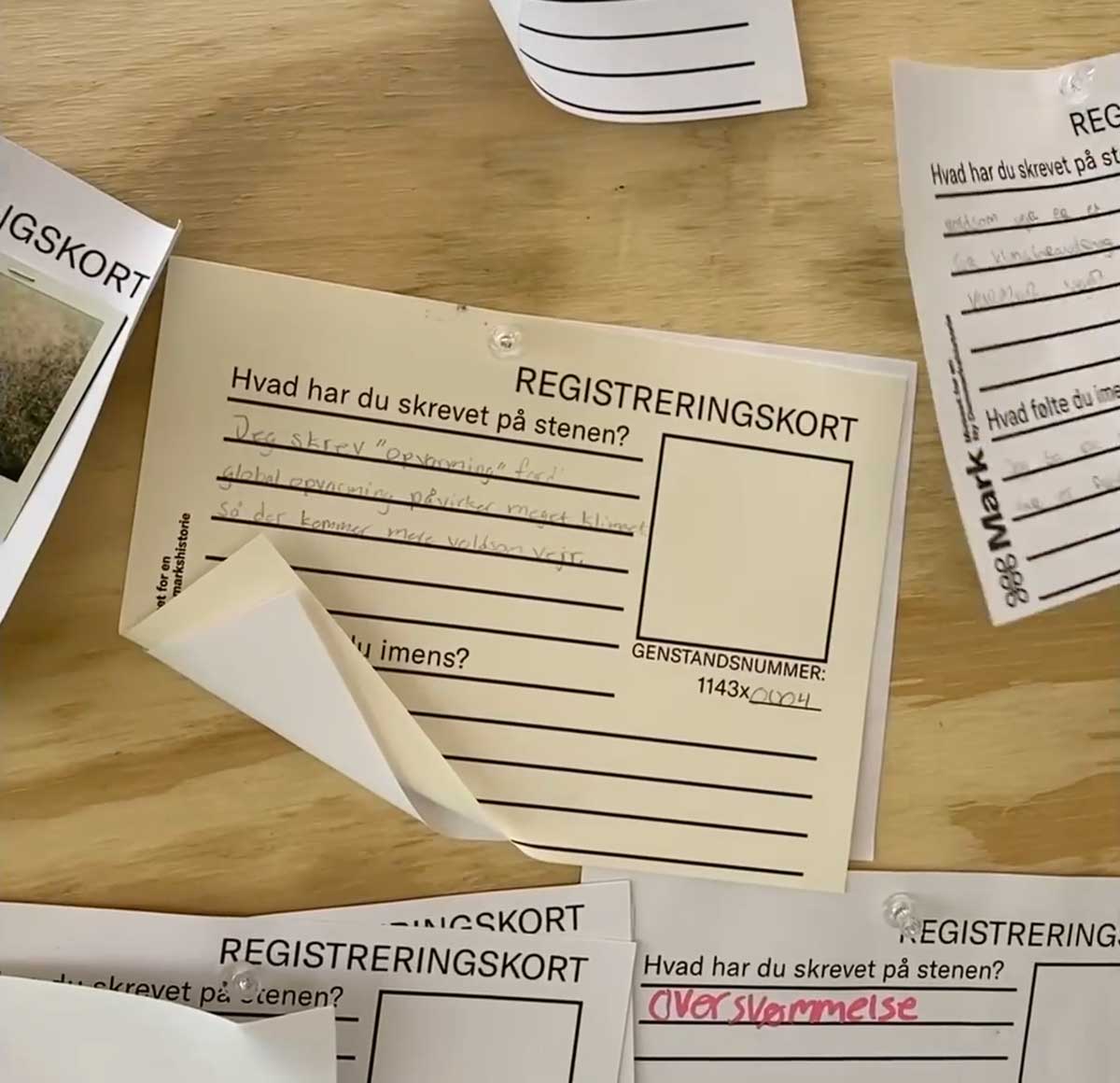
What unites these projects is a subtle shift: Mark Museum has made climate engagement less about absorbing information and more about gaining status, connection, and agency. Mending clothes becomes a creative badge of honor. Adding a hope to a cardboard tree becomes a visible contribution to a collective cause. Speaking at a museum opening becomes an act of civic authority.
The account is especially useful where it describes a programme that needed to change. After a water-pollution walk left some students anxious, the museum added reflection time to its climate activities. That experience sits alongside the more visible outputs of Climate Roots and the youth-authored exhibition. A museum borrowing these methods should plan how participants can process difficult feelings, as well as how they can contribute their own ideas.
Compare this approach with Reykjavík’s welcome for teenage participants and community climate conversations beyond museum walls.
Our virtual conferences are one of the most affordable ways to stay at the forefront of museum practice. Explore our upcoming events here
This article is based on the presentation, “Setting the museum free to be democratic, engaging and empowering for users in climate actions”, by Anna Louise Siggaard from Mark | Museum for a New Danish History at the Green Museums Summit 2025 organised by MuseumNext.


About the author – Manuel Charr
Manuel Charr is a journalist working in the arts and cultural sectors. With a background in marketing, Manuel is drawn to arts organizations which are prepared to try inventive ways to reach new audiences.


