Fresh ideas from museums around the globe in your inbox each week

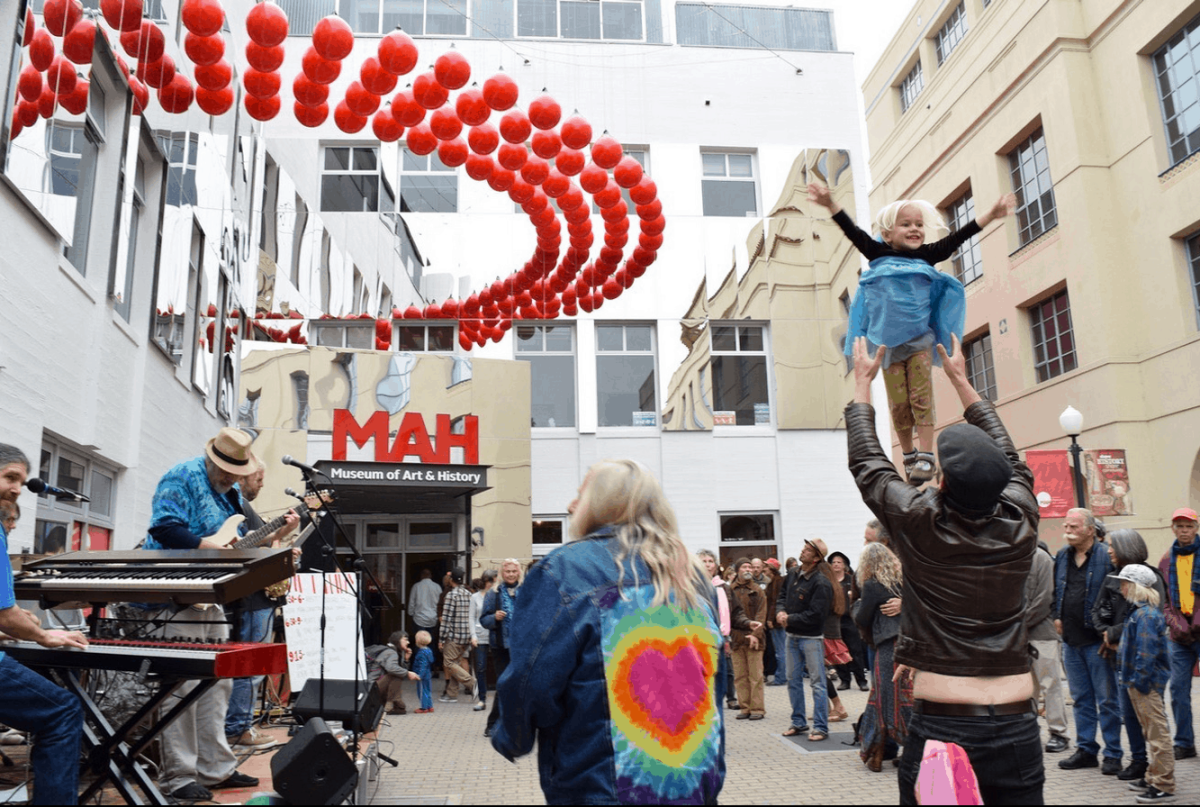
At MuseumNext New York, Victoria Lee, Community Experience Catalyst, and Ashley Holmes, Marketing & Brand Coordinator, explained how the Santa Cruz Museum of Art & History (MAH) developed an exhibition with local people affected by social isolation. Their account sets out who joined the process, how workshops shaped the exhibition and how visitors could help. You can watch Victoria Lee and Ashley Holmes’s full presentation.
The case centres on We’re Still Here: Stories of Seniors and Social Isolation. Its collaborative process offers practical questions for museums considering an exhibition about a community issue.
Start with an issue the community wants to address
Victoria and Ashley began by outlining the philosophy behind the MAH’s exhibition model: exhibitions are not just displays of art and history, but platforms for connection, storytelling, and change. For the MAH, the shift to a community-first approach began with a single, radical question: Why shouldn’t exhibitions be built not just for communities but by those very communities? This question underpins their process of co-creating exhibitions in collaboration with those whose stories are being told, and connects with Nina Simon’s OF, BY & FOR ALL framework.
At the MAH, exhibitions are grounded in rigorous collaborative design, a process that prioritises the lived experiences and expertise of community members. The goal is simple yet profound: to create welcoming, accessible exhibitions that strengthen both the institution and the communities it serves.
Bring affected people into the team early
As a case study, Victoria and Ashley shared insights from We’re Still Here: Stories of Seniors and Social Isolation, the MAH’s recent community issue exhibition. Partnering with Santa Cruz County’s Human Services Department, the museum set out to address loneliness among older adults – a silent but significant epidemic in the area and beyond.
Over 180 collaborators, including senior community members, artists, advocates, and healthcare providers, came together to co-design every aspect of the exhibition. The speakers emphasised that people directly affected by the issue should outnumber the other collaborators. Their lived experience shaped the decisions, alongside the knowledge of artists, advocates and service providers.
Turn lived experience into shared exhibition goals
Victoria and Ashley detailed the framework that has enabled the MAH to develop successful community-driven exhibitions. This step-by-step approach can be adapted by museums of all sizes:
- Identify a clear, actionable issue
Start by listening to the community. Issues can emerge from conversations, local debates, or partnerships. In the case of We’re Still Here, loneliness among older adults was identified as a critical concern through collaboration with local agencies. - Bring the right people into the team
Engage advocates, artists, policymakers, and, most importantly, the impacted community. For the MAH, the team included local seniors, healthcare organisations, and volunteer groups who contributed to every stage of the exhibition. - Co-design the exhibition together
The MAH used empathy questions to explore participants’ experiences, then agreed a shared outcome for visitors. Small, facilitated groups worked through exhibition ideas together, including content, artwork and the title. - Give visitors a practical next step
Visitors want to help. Providing actionable steps empowers them to become part of the solution. The MAH introduced an “Action Wall” featuring 40 small and large tasks, such as volunteering for seniors or offering simple acts of kindness. - Keep partners involved after opening
Exhibitions are just the beginning. The MAH hosts ongoing events like senior story slams, reunions, and caregiver cafes to keep the space alive and connected to the community.
What the MAH reported
The action wall connected the exhibition to organisations ready to help visitors act. Each card named a practical task and gave a direct contact, whether someone wanted to deliver groceries, arrange a puppy visit or explore becoming an in-home support service provider. At the time of the talk, Holmes reported that almost 200 actions had been started or completed. She also said the caregiver cafés had helped place nearly three times as many providers as the County had placed in the previous year, with another event still to come.
These are the speakers’ reported results at the time of the presentation. They show how partner contacts and events connected the exhibition with practical opportunities to help; they are not a guarantee of the same outcomes elsewhere.
Keep listening as the work develops
Victoria closed by asking museum teams to make a decision grounded in empathy, put their community’s needs before their own institutional priorities, and begin by listening.
For a museum starting similar work, the case offers a concrete sequence: agree an issue with local people, make room for those affected to shape the exhibition, and work with partners who can support the actions visitors want to take.
–
To learn more about the Santa Cruz Museum of Art & History and their community-driven exhibitions, visit their website at santacruzmah.org.