Fresh ideas from museums around the globe in your inbox each week

April 23 2024
 By Manuel Charr
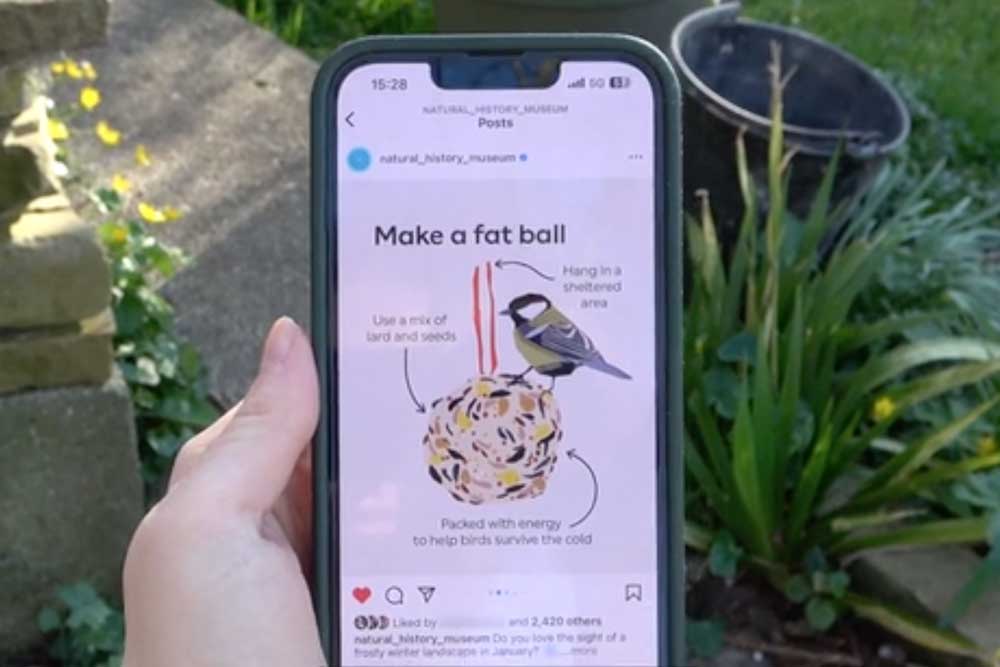
Josie Owen, Junior Digital Media Producer at the Natural History Museum, described her illustrated wildlife guides at the Creative Museums Summit 2024. The guides help audiences notice distinguishing features, identify species and find out more about nature.
Illustrate something the audience can use
The starting point is a useful question: what might someone want to recognise on a walk or in a garden? Illustration lets the team draw attention to the features that help answer it.
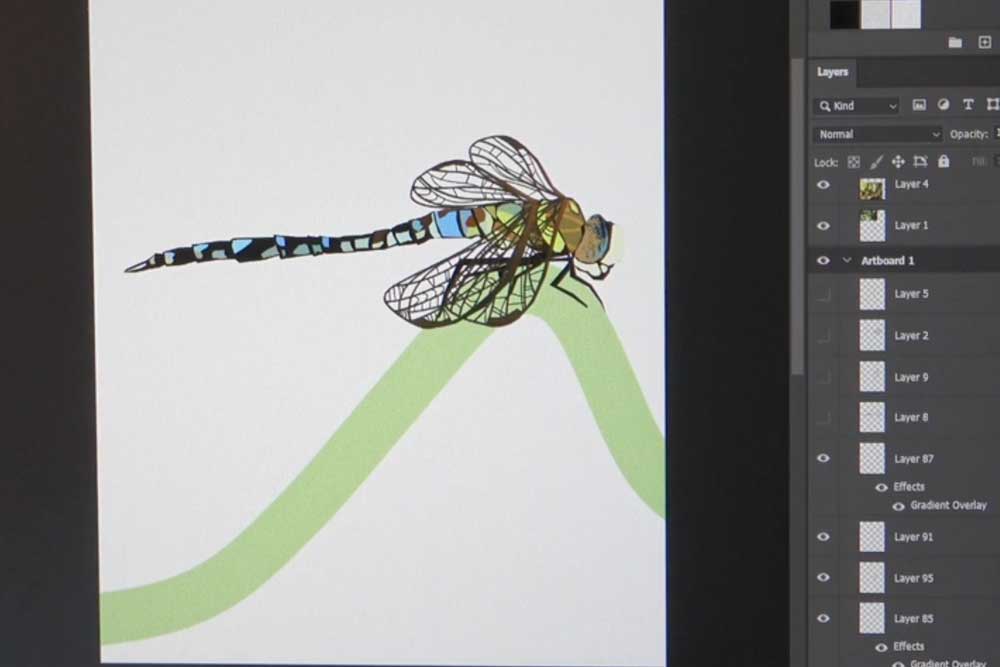
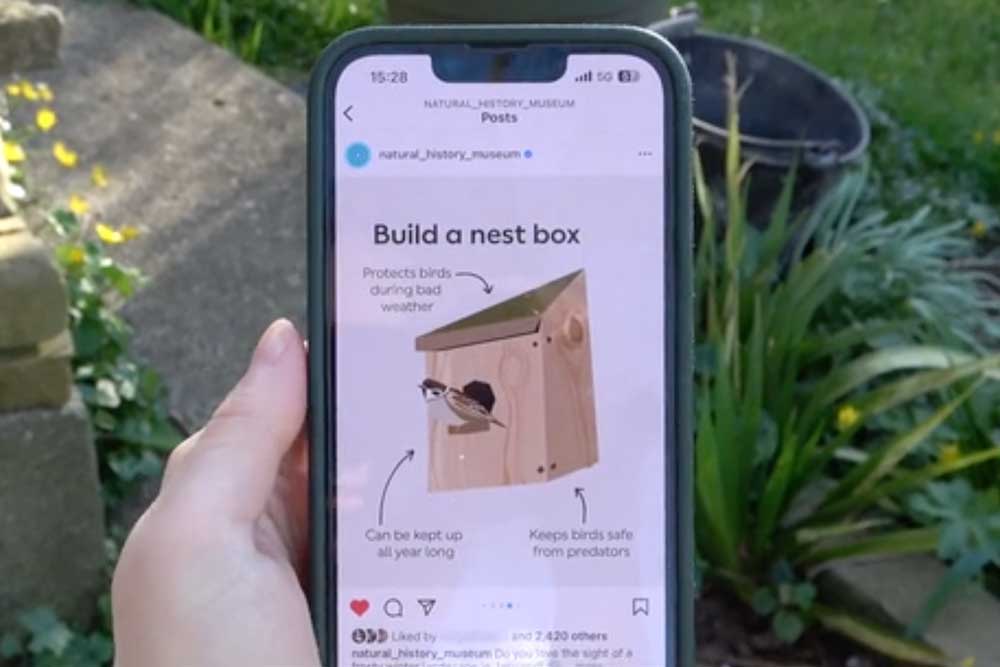
Josie highlighted how illustrated social media posts have become an invaluable tool in the museum’s digital engagement strategy. With bold colours, unique designs, and scientifically accurate representations, these posts don’t just stand out on busy social media feeds—they invite viewers to stop, look, and learn.
Whether it’s a guide to identifying UK wildlife or an illustrated explainer on biodiversity, these visuals are carefully crafted to simplify complex messages and encourage action.
A wildlife-garden map for younger visitors
Josie’s journey at the Natural History Museum began with a passion for illustration and a clear understanding of how creativity can make education more accessible. Her work involves creating illustrated wildlife guides for social media—resources that act as both identification tools and engaging storytelling devices. Each guide blends scientific accuracy with artistic flair, often featuring detailed drawings of species found in cities, coastal areas, and countryside settings.
One example Josie shared was an illustrated map created for the museum’s Wildlife Garden. Designed to help children navigate the green space and discover hidden habitats, the map became more than just a navigation tool—it became a gateway for young visitors to connect with nature.
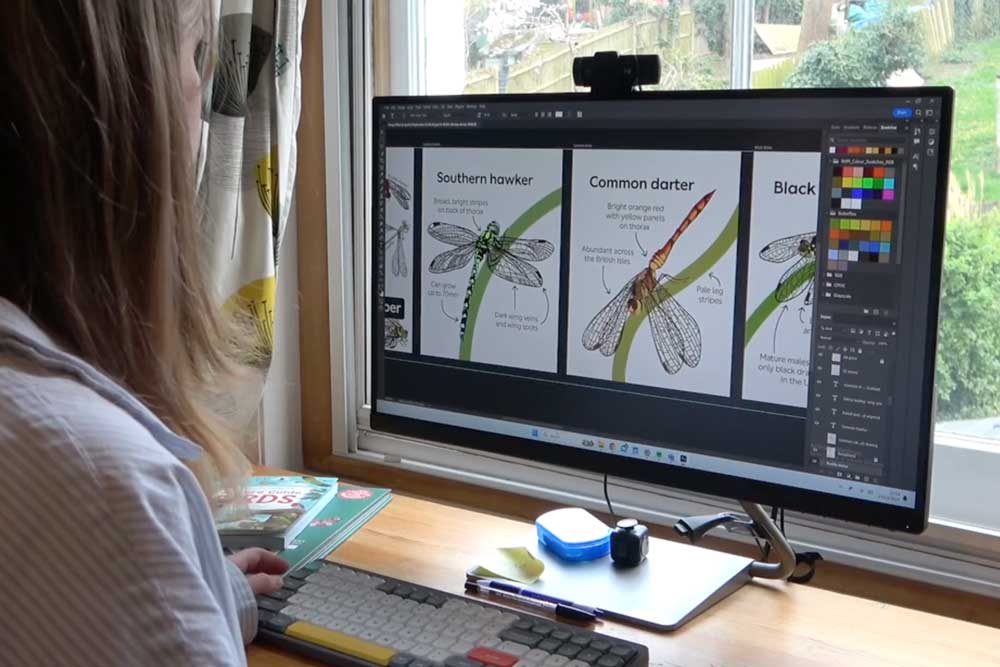
Work with scientists on the detail
While illustration may seem a world away from scientific research, Josie emphasised how closely the two disciplines work together at the Natural History Museum. Each illustrated guide undergoes rigorous scientific review to ensure accuracy. The result is content that not only looks visually appealing but is also a reliable educational resource.
How followers responded to the guides
In her 2024 presentation, Owen reported more than 400,000 Instagram interactions across the guides, including likes, saves, comments and shares. She also described followers saying the guides had helped them identify plants and wildlife. The talk did not specify a measurement window for the cumulative figure, and interactions are not a count of unique people or proof of subsequent conservation activity.
Make the guide useful beyond the feed
An identification guide has a job to do after someone stops scrolling. The labels need to remain readable on a phone, the distinguishing features need to be clear and the caption should give people a text route into the same information. Scientific review protects accuracy; those design choices help the guide remain useful when a follower returns to it outdoors. Link to further information where the caption cannot hold all the detail. This is practical advice for teams adapting the approach, rather than an account of access testing documented in the presentation.
Fostering Creativity in Social Media Strategies
Beyond her own work, Josie advocates for more creativity in museum communication strategies. She believes museums have a responsibility to nurture creative talent within their teams and provide space for experimentation. Whether it’s illustration, animation, or graphic design, creative disciplines have the power to make museums’ messages more impactful and their content more accessible to diverse audiences.
Design a series people can return to
Start with one subject your audience wants to understand, work with a specialist on the identifying details and use feedback to decide what the next guide should explain. Saves and specific comments may help with turning audience interest into a content series, while a clear text equivalent makes the information easier to revisit.
Illustration is one of several ways of using collections to connect with audiences. Owen’s examples make the strongest case when the drawing has a practical job and the museum can support its accuracy.
–
This article is based on Josie Owen’s presentation, “Drawn from life: How to inspire social media audiences with the power of illustration”, at the Creative Museums Summit 2024 organised by MuseumNext. Josie is Junior Digital Media Producer at the Natural History Museum.


About the author – Manuel Charr
Manuel Charr is a journalist working in the arts and cultural sectors. With a background in marketing, Manuel is drawn to arts organizations which are prepared to try inventive ways to reach new audiences.




