Fresh ideas from museums around the globe in your inbox each week

March 27 2024
 By Manuel Charr

The Humanity exhibition at Iziko Museums marks a significant milestone in sustainable exhibition design. Amy Sephton, Chief Curator of Exhibition Design and Production, and Nkosingiphile Mazibuko, Exhibition Designer, shared the project with James Dicks of the University of Cape Town at the Green Museums Summit, highlighting how sustainability extends beyond environmental concerns to encompass social, economic, and cultural dimensions.
What sustainability meant for Humanity
Sustainable exhibition design involves a comprehensive rethinking of the entire exhibition process, from conception to eventual repurposing. The Humanity exhibition embodies this holistic approach, creating spaces that are not only environmentally friendly but also socially meaningful and economically viable.
These material decisions become easier to revisit when they sit within a sustainability strategy for exhibitions.
Comparing materials across their life cycle
The presentation connected sustainability with people, prosperity and the planet, with James Dicks explaining how a material’s life cycle can inform design decisions. Drawing inspiration from Paul Anastas and Julie Zimmerman’s 12 principles of green engineering, the team considered material choices, energy consumption, and long-term environmental impacts.

Material choices and trade-offs
The team faced the challenge of balancing sustainability goals with practical constraints. Their material choices reflect this delicate balance:
Umhlanga reeds
- Pros: Indigenous, fast-growing and locally harvested, with low installation wastage reported by the team
- Cons: The team did not oversee harvesting and was uncertain how the flame-retardant coating would affect biodegradation
Mild steel
- Pros: Mechanical strength, cost-effectiveness, recyclability
- Cons: Not entirely without environmental impact
Bending plywood
Pros: Flexibility, availability, relatively low cost
- Cons: Printing on a non-flat surface, grain interfering with legibility, splitting during CNC cutting and warping over time
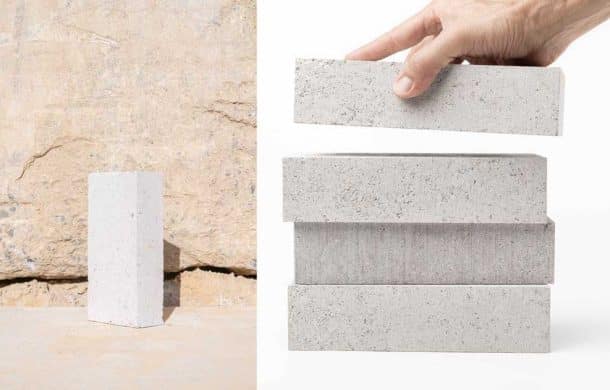
Rammed earth
- Pros: Natural beauty, minimal embodied energy, powerful storytelling
- Cons: Weight limited its use in the historic building; the team used polystyrene cores to reduce the load
Acrylic
- Pros: Clarity, durability, flexibility
- Cons: Non-renewable, high embodied energy

Turning shared values into design decisions
A collaborative workshop helped the team turn decolonising aims into design-intent themes. The presentation described people-centred making and an earth-focused approach, alongside the wider aim of inclusion:
- People-Centered: Reflecting human connection, participation, and ritual
- Earth-Focused: Emphasizing eco-friendly materials and respect for nature
- Inclusive aims: Prioritizing diverse voices and perspectives
These themes guided decision-making throughout the design process, ensuring alignment with the vision of sustainable exhibition design.
Challenges and Learnings
The team encountered several obstacles:
- Limited recycling infrastructure
- High costs of eco-friendly alternatives
- Logistical barriers
However, these challenges provided valuable lessons for future projects, highlighting opportunities for innovation and collaboration.
A New Narrative for Museums
The Humanity exhibition reimagines not only material usage but also storytelling in museums. It emphasizes interconnectedness, inclusion, and the museum’s role as a space for dialogue and reflection. By combining thoughtful material choices, design intent themes, and a commitment to sustainability, the exhibition serves as both a physical space and a powerful narrative about humanity’s relationship with the earth.
What the team would test earlier next time
For another museum, the most useful step is to test the proposed material in the form it will actually take in the gallery. Iziko’s bending plywood had to curve, carry printed interpretation and survive cutting and installation. A flat sample could not answer all those questions. Build in time for the printer, fabricator and exhibition team to test one complete section together, then record the compromises so the next project can use what was learned.
For another view of planning and reuse, see these lessons on sustainable exhibition design.
–
This article is based on the presentation, “Crafting Tomorrow: Humanity Exhibition Unveils Sustainable Gems”, by Amy Sephton, Nkosingiphile Mazibuko and James Dicks at the Green Museums Summit 2024 organised by MuseumNext.


About the author – Manuel Charr
Manuel Charr is a journalist working in the arts and cultural sectors. With a background in marketing, Manuel is drawn to arts organizations which are prepared to try inventive ways to reach new audiences.