Fresh ideas from museums around the globe in your inbox each week

January 02 2025
 By Manuel Charr

Slow looking is an invitation to spend time with one artwork, noticing details and asking questions before moving on. For museums, it offers a simple way to make room for visitors’ observations, without requiring prior knowledge of art.
What slow looking means
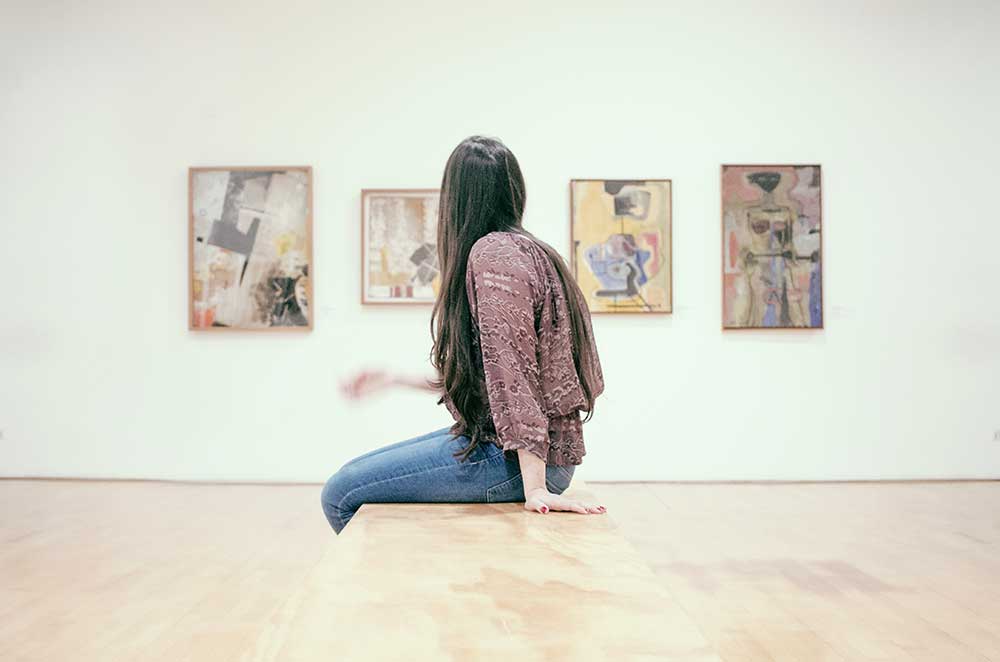
Slow looking has an affinity with other approaches that value slower, attentive experiences. In an art museum, the invitation is to stay with one work long enough to notice details, responses and questions that a quick glance might miss.

Tate, among others, has championed slow looking as a tool to deepen visitors’ connections with art. Their guide to slow looking encourages audiences to focus on small details, reflect on emotional responses, and ask questions about the artwork’s story and creation. This practice, they argue, unlocks layers of understanding that are easily missed in a cursory glance.
Want more insights like this? Explore our upcoming virtual conferences here
Prompts that open up observation
A few open prompts can help visitors explore a work in their own way:
- Notice details: What colours, textures or shapes catch your attention? What changes when you look again?
- Explore a response: Does the work bring a feeling, memory or question to mind? You can keep that response private.
- Take a pause: Spend a little quiet time with the work before deciding whether to discuss it.
How Museums Are Embracing Slow Looking
Recognizing its potential to enhance visitor engagement, many museums have woven slow looking into their programming. Some notable examples include:
- Slow Art Day: A global initiative encouraging participants to spend extended time with just a few artworks, often followed by group discussions to share observations and insights.
- Guided Slow Looking Tours: Many museums now offer tours dedicated to unpacking the story and details of a single piece, fostering a deeper understanding and appreciation.
- Interactive Tools: Apps and printed prompts can offer different ways into observation. The design still needs to account for visitors’ access requirements.
Our article on using digital tools to support slow looking explores this interpretation question in more detail.

Choosing one work and giving it time
These prompts can be adapted for an individual visit or a small group:
- Pick a Focus: Choose one artwork that catches your eye. Don’t worry about its fame or significance—go with what speaks to you.
- Set a Timeframe: Try five to ten minutes if that suits you, or choose a shorter interval. The timing is an invitation you can adapt.
- Engage Your Senses: Look closely at the colors, textures, and forms. Imagine how the artist created the piece.
- Ask Questions: What story is the artwork telling? How does it make you feel? What details stand out?
- Reflect: Share your thoughts with a companion, write them down or keep them to yourself. There is no required response.
Running a short museum session
For a museum session, begin with one work and a question that does not require prior knowledge: what did you notice first, and what appeared only after another look? Give people a little quiet time before inviting responses. A seat, an unobstructed view and permission to stay silent can matter as much as the prompt. Let the group help set the pace, and offer description or another way into the work when visual detail alone is not accessible.
Making space for different ways of noticing
Facilitators can invite people to describe what they notice before introducing additional information about the work. Leave room for different interpretations, offer a clear view and seating, and make discussion optional. Description or another accessible prompt can provide an alternative to relying on visual detail alone.

Slow looking in a specialist programme
Some museums use slow looking within programmes designed for particular groups. Frederiksberg Museums’ slow-looking programme offers one such case. A specialist programme’s aims and reported experiences should be considered in their own context; this simple exercise does not establish a health benefit for every visitor.


About the author – Manuel Charr
Manuel Charr is a journalist working in the arts and cultural sectors. With a background in marketing, Manuel is drawn to arts organizations which are prepared to try inventive ways to reach new audiences.




