Fresh ideas from museums around the globe in your inbox each week

July 13 2024
 By Jim Richardson

Nestled in the heart of Baltimore, The Peale, Baltimore’s Community Museum, stands as a testament to the city’s rich history and its ongoing commitment to community engagement and education. From its origins as the first purpose-built museum in the Americas, The Peale has continuously reinvented itself, embodying resilience and innovation.
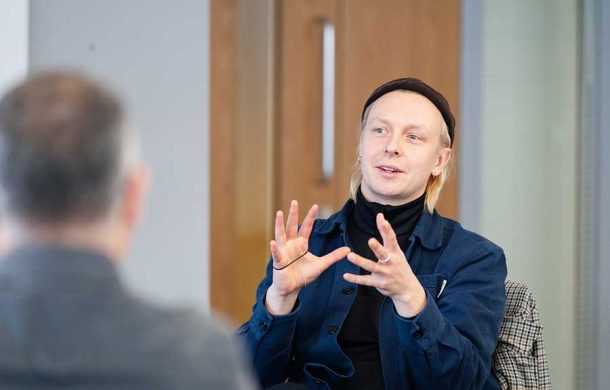
Today, under the leadership of Nancy Proctor, Chief Strategy Officer and founding director, The Peale is more than a museum but a dynamic teaching institution fostering cultural innovation and workforce development through its Accomplished Arts Apprenticeships (AAA) programme.
A Legacy of Innovation and Adaptation
The Peale’s journey began in 1814 when artist Rembrandt Peale opened the museum, which was one of the first in the world. This historic building, however, is more than a museum; it has served various purposes throughout its 210-year history. Notably, in 1816, Peale introduced gas-lit chandeliers in his museum, marking the advent of gas lighting in the United States. This innovation not only extended museum hours but also laid the foundation for Baltimore’s nickname, “Light City,” as Peale and his partners established the first gas-powered streetlight network in the country.
In addition to his contributions to lighting, Rembrandt Peale captivated audiences with exhibits like the mastodon skeleton, a significant display that contributed to the early understanding of extinction. This exhibit was notably enhanced by Moses Williams, an enslaved silhouette artist who became the first Black museum professional in the United States. Despite these innovative endeavors, financial challenges forced the Peale brothers to sell the building in 1829.
Evolution Through the Ages
The building that houses The Peale has undergone multiple transformations, each chapter adding to its rich legacy. After serving as Baltimore’s first City Hall in 1830, it became Male and Female Coloured School No. 1 in 1875, the first public school to offer secondary education to Black students in Baltimore. This era of the building’s history laid the groundwork for the first Black teachers in the city’s public schools.
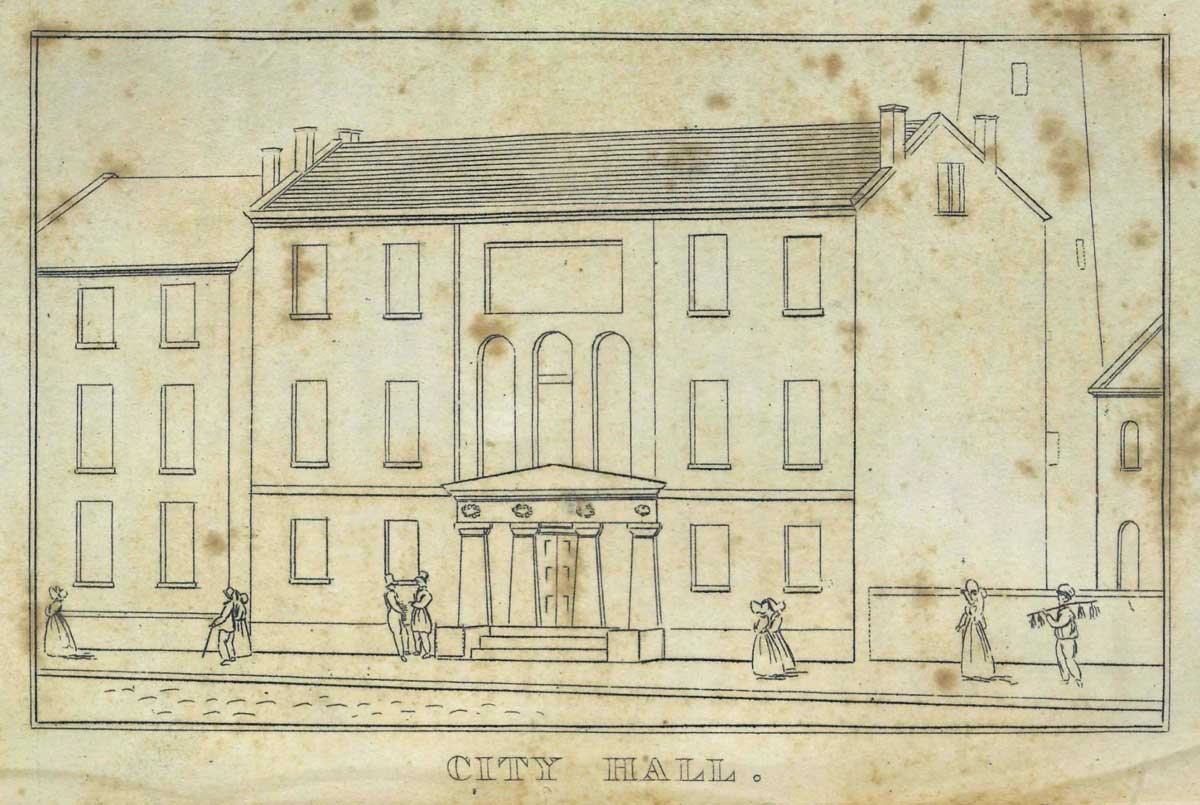
Following its stint as a school, the building was used for various manufacturing purposes until 1930, when it was renovated to become Baltimore’s first Municipal Museum. Part of the City Life Museums network, The Peale hosted groundbreaking exhibitions on Baltimore’s social history until financial difficulties led to its closure in 1997. After two decades of abandonment and decay, volunteers rallied to save the building, leading to its reopening as Baltimore’s Community Museum in 2022.
A Teaching Museum for the Community
Today, The Peale stands as a beacon of education and cultural innovation, dedicated to preserving Baltimore’s rich heritage and empowering its storytellers. In 2020, The Peale launched a transformative workforce development programme. This initiative teaches young people and returning citizens from marginalized neighborhoods essential skills in historic preservation and exhibition preparation, opening doors to high-paying, creative careers that don’t require a college degree.
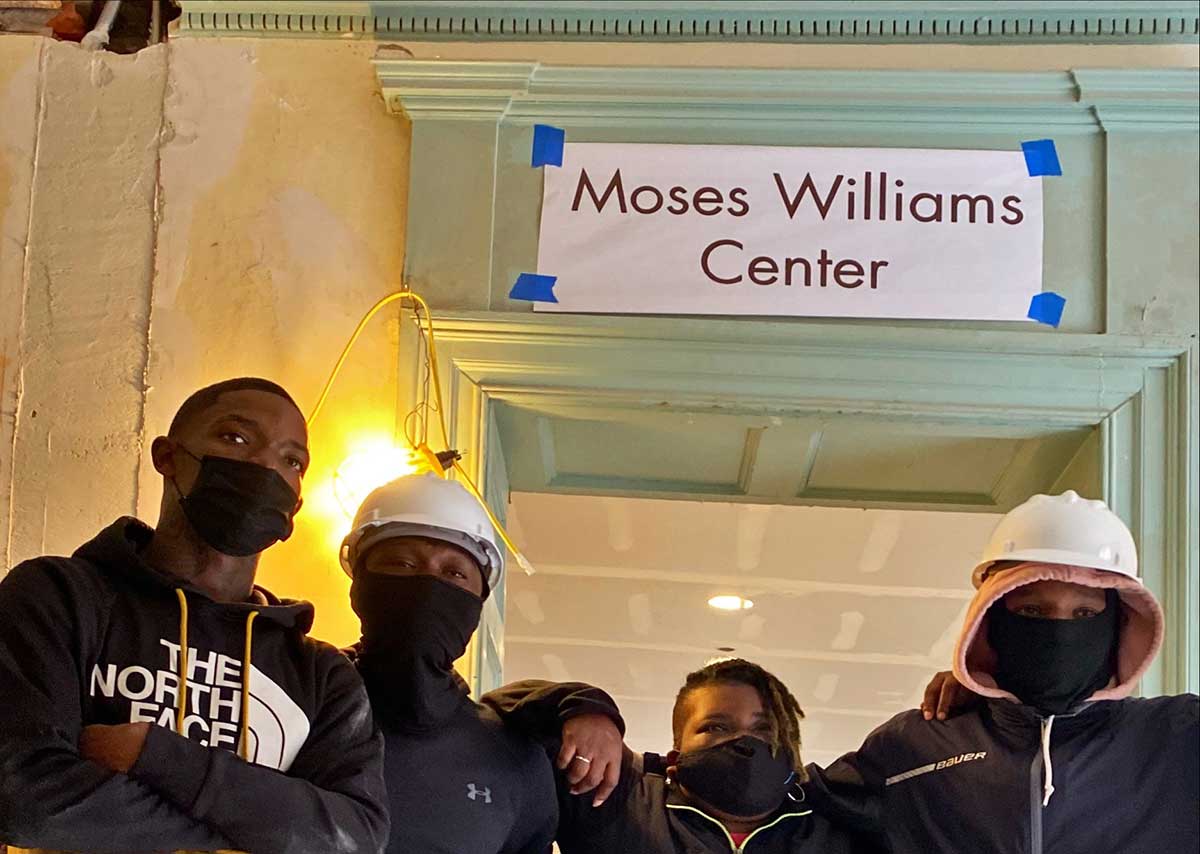
The programme operates out of the Moses Williams Centre, named in honor of the pioneering silhouette artist. The parallels between Williams’ story and the entrepreneurial spirit of the programme’s participants underscore the transformative impact of this initiative. Despite systemic challenges, these young individuals are forging impactful careers, supported by The Peale’s commitment to their development.
Hands-On Museum Apprenticeships
The Accomplished Arts Apprenticeships (AAA) programme exemplifies The Peale’s dedication to hands-on, practical education. Participants work on projects both within The Peale and at other historic sites around Baltimore, such as the First and Franklin Church, known for its long-standing ministry to the LGBTQ+ community. Apprentices learn skills like masonry repair and historic window renovation, gaining valuable experience while contributing to the preservation of significant cultural landmarks.
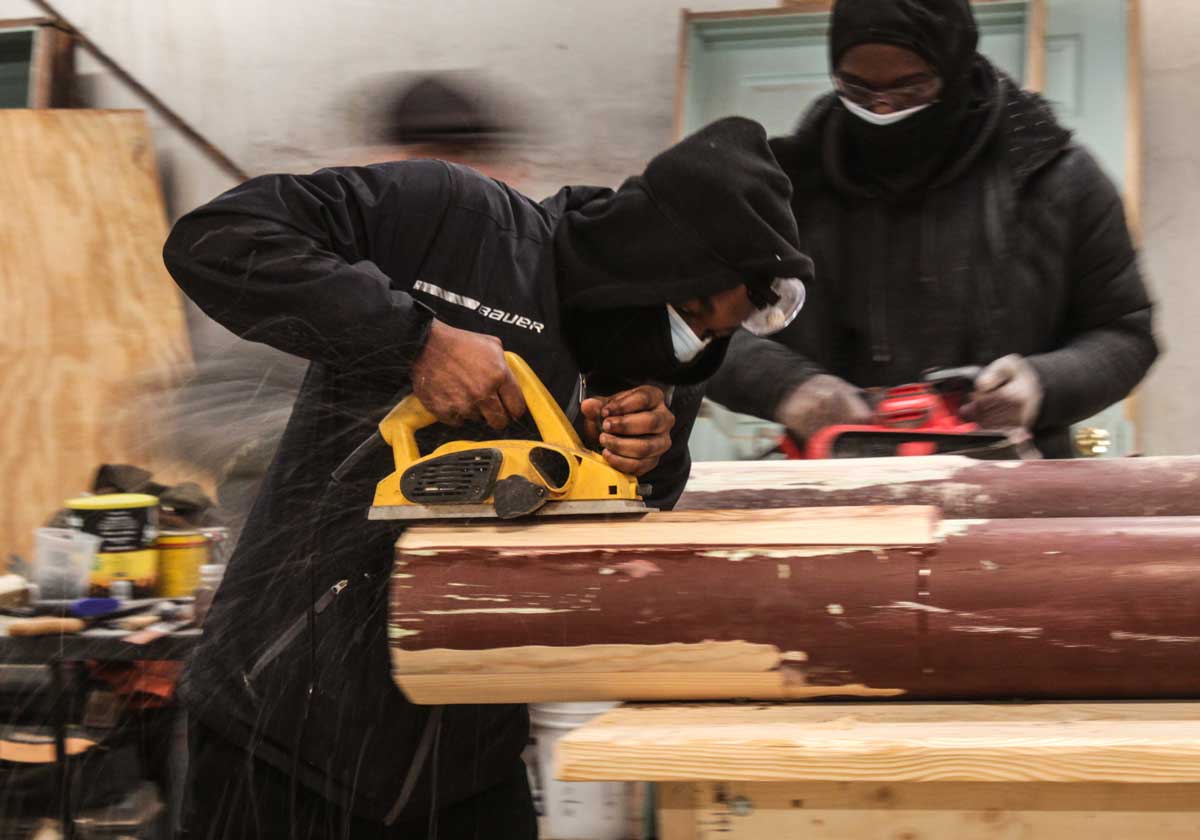
Ronald Phillips, an apprentice on the programme, described the work as an art form, blending creativity with technical skills under the guidance of experienced trainers. Ronald notes, “If it wasn’t for this programme, this wouldn’t be possible. It’s given us new obstacles and goals to reach. We never knew we could do this.”
Life Skills and Financial Literacy
The AAA programme goes beyond technical training to include essential life skills and financial literacy. Programme manager Andie Townsend emphasizes the importance of communication, teamwork, and financial management. These skills are crucial for the apprentices’ future success, whether they choose to work independently or start their own businesses. The programme’s comprehensive approach ensures that participants are well-prepared for both professional and personal challenges.
Transformative Impact on the Community
The investment in these young individuals is significant, but the returns are evident in their growth and achievements. The Peale, supported by the Baltimore National Heritage Area, provides wraparound services and a living wage, creating a supportive environment where apprentices can thrive.
Jeffrey Kent, a Baltimore-based artist and curator in residence at The Peale, underscores the importance of these programmes in diversifying the museum workforce. “Partner with professionals in the area of museum installation and curation,” he advises other museums. “Reach out to the community and start a programme where you’re teaching people how to do this work that will add diversity to this whole system of museum culture.”
Conclusion: A Model for Museums Everywhere
The Peale’s story is one of resilience, innovation, and community impact. Its transformation into a teaching museum with a focus on workforce development serves as a model for museums everywhere. By partnering with professionals in museum installation, curation, and historic preservation, The Peale is diversifying the field and empowering a new generation of cultural stewards.
As museum professionals, we can look to The Peale for inspiration on how to engage our communities, preserve our cultural heritage, and create opportunities for those who need them most. The Peale’s journey reminds us that museums are more than repositories of the past but active participants in shaping the future.


About the author – Jim Richardson
Jim Richardson is the founder of MuseumNext. He has worked with the museum sector on digital and innovation projects for more than twenty years and now spends his time championing best practice through MuseumNext.