Fresh ideas from museums around the globe in your inbox each week

April 11 2019
 By Charlotte Coates
Museums can explore addiction through exhibitions, creative activity and partnerships with recovery organisations. The examples in this historical overview include support for people affected by addiction and opportunities for families to meet and share experiences.
Museum programmes can offer opportunities for creative expression, conversation and connection. Their role and the support available should be described clearly, without treating every museum visit or creative session as clinical art therapy.
Exploring the subject of addiction through museums
There are several museums around the world focusing on the science of addiction. Educating the public about what addiction means is helpful. It can be a big step towards raising awareness and tackling stigma.
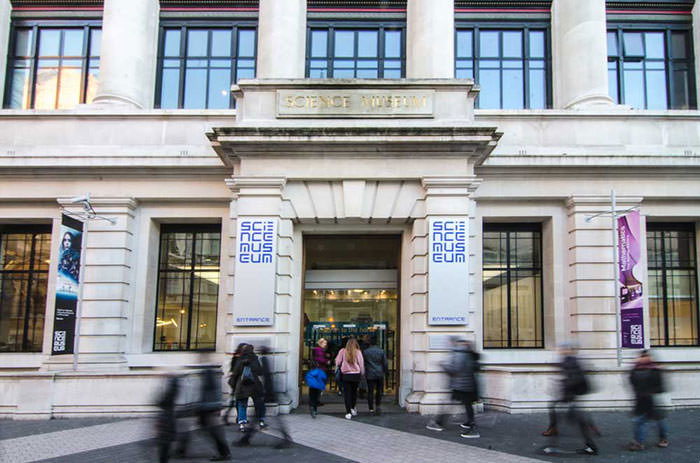
The Science Museum’s historical Who Am I? material included discussion of addiction. When interpreting this subject, museums need specialist advice and carefully sourced explanations.
Addiction awareness programmes
Inside the National Addiction Awareness Complex in Pennsylvania, there is a unique museum. Through a variety of exhibitions, The Awareness Museum aims to give a comprehensive overview of the condition. It looks at the history, science, economics and culture of addiction.
The museum hosts 30 permanent exhibits. Visitors can learn about the history of addiction through a variety of mediums, including photos and films. These show how addiction affects not only the individual but also the people around them. Addiction has an impact on friends, family, colleagues and society as a whole. The museum also explores the economic and social costs of addiction. Exhibits show how different cultures around the world view addiction. The museum shows how modern society has become more understanding of the need to treat it as an illness.
Before its closure, the Hall of Health museum in Berkley, California ran a field-trip initiative with local schools. 823 students aged 10 – 14 completed surveys before and after their visit to the museum. The field-trips took in exhibitions that focused on the effects of a variety of drugs. The article reports a reduction in students’ stated intentions to use substances after the visit; this does not establish their later behaviour. Survey questions asked about their intentions to use certain substances. This included alcohol, tobacco, diet pills, prescription drugs and illegal drugs. A paper on the programme concluded that it “may serve as a model for museums desirous of reversing the trend toward drug use by young people.”
Museum Visits and Creative Support
Two Canadian programmes need to be kept distinct. In December 2018, the Royal Ontario Museum announced a year-long social-prescription pilot offering free visits through healthcare, community and social-service referrals. The Montreal Museum of Fine Arts launched its museum-prescription partnership in November 2018 and described facilities including art-therapy spaces and a medical consultation room. These details should not be attributed to the same museum.

One UK creative programme described in this article was aimed at people in addiction recovery, as well as those in justice recovery. The Recovery RICH programme was developed by Tyne and Wear Archive and Museums. The acronym stands for Recovering Identities through Culture and Heritage. It was developed with service users and professionals, with their needs in mind. TWAM works alongside organisations and individuals. The aim is to connect people with creative projects. These projects are designed to increase their confidence and feelings of wellbeing. Projects are varied, and take place in a variety of local museums and community venues. They can be inspired by different collections, museum objects or events. Some previous activities include jewellery making, oral history recording and exhibition curation. The museum works appropriate themes into these projects, helping participants to reflect on topics such as identity, recovery and aspiration. Participants also gain a supportive peer network as part of the scheme.
Museums supporting friends and family of people with addictions.
Addiction does not only affect the individual. It also has a huge impact on that person’s friends and family. Supporting someone with an addiction can be difficult and cause a great deal of emotional stress. Creative activity can also provide a way for families to connect. The Currier Museum of Art in New Hampshire developed a programme called The Art of Hope.
As described in this historical report, the scheme was intended to help families affected by addiction. Its weekly sessions welcomed people from the local community into a free, open and safe space. Participants can enjoy a respite from the stress of caring for someone with an addiction. They take part in guided conversations and creative activities. They enjoy free access to the museum’s collection as well as free refreshments. The atmosphere encourages peer support and the chance to connect with others in the same position.
The museum uses pieces from its collection that might speak to the experiences of being a carer. They might strike a chord in visitors who are feeling stressed, frightened, or overwhelmed. This can provide an opportunity to explore how they are feeling, as well as introducing some coping methods. Families are often deeply affected by the issue. Participants can be dealing with broken relationships and can also have extra caring duties. For example, many children can end up living with other family members when a parent is suffering from addiction.
Lynn Thomson is Assistant Director of Education and Community Engagement at the museum. She says that the programme offers a chance to have a break and reflect. “It was mostly just about slowing down and taking a few minutes to breathe. Folks are just constantly going — especially when you have the weight of such a heavy problem on your shoulders like substance abuse.” Thompson describes the programme’s role in connecting with this audience, “We are helping the community by offering them a place of respite and a sense of hope. Art is a powerful way to engage people in dialogue.”
Museums can provide valuable programmes around the topic of addiction
Addiction does not happen in a vacuum. It has wide-reaching causes and consequences. The strain of addiction affects individuals, but it also has an impact on their friends, families and communities as a whole. As well as the social impact, it has a huge financial impact too.
Addiction is an illness. To treat it effectively, people need to gain a greater understanding of the issue. Museums can educate people on topics such as the science behind addiction. They can also raise awareness of the subject. They can help to tackle some of the stigma associated with addiction and highlight some of the problems that people with an addiction may face.
The programmes described here connect museum activity with recovery organisations and family support. Creative projects, guided conversations and peer contact offer different ways to take part. Those activities should be described in the programme’s own terms, with clinical treatment claims reserved for properly evidenced services.
The examples of museum programmes for carers include shared visits, creative time and opportunities to meet others. Museum work with veterans offers further examples of art, personal stories and peer connection.


About the author – Charlotte Coates
Charlotte Coates is a Brighton based writer working extensively in the arts and cultural spaces. Charlotte has explored a wide range of museum related subjects since she started writing for MuseumNext in early 2019.