Fresh ideas from museums around the globe in your inbox each week

February 07 2022
 By Manuel Charr
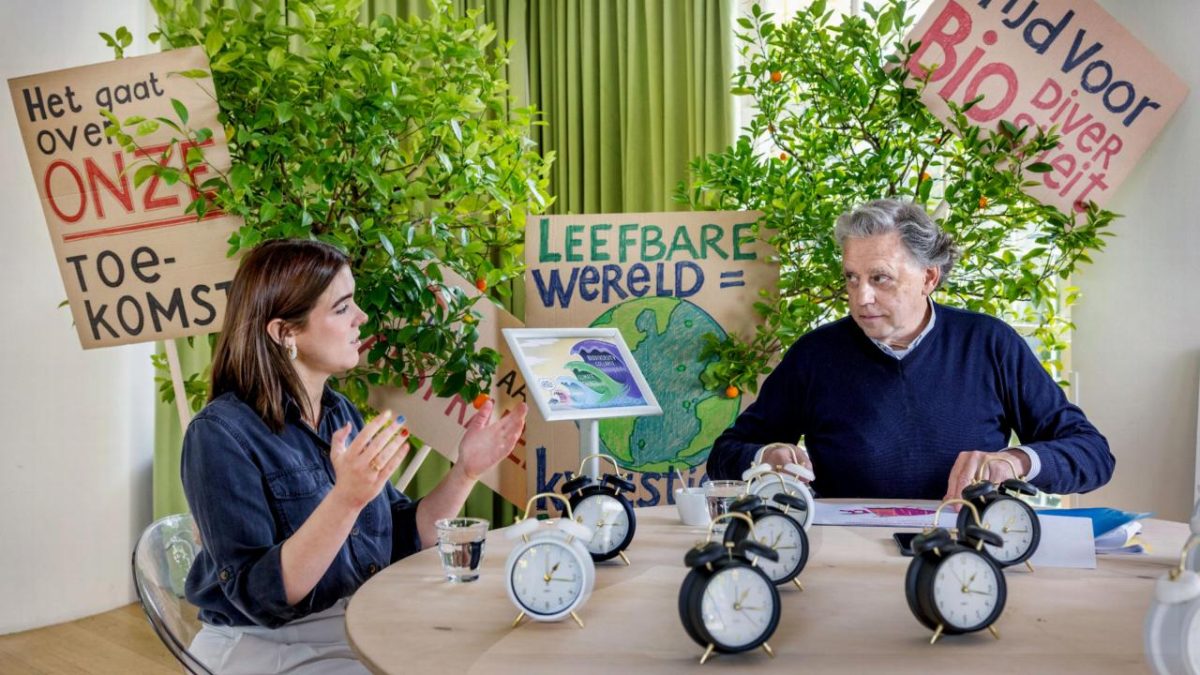
In recent years, museums have increasingly recognised their role as active participants in social conversations. No longer content to simply act as guardians of history, art, or science, many institutions are stepping forward to address urgent global challenges. Naturalis Biodiversity Center in the Netherlands is one such museum leading the way, demonstrating how museums can engage with societal issues such as biodiversity loss, climate change, and environmental sustainability.
At the Green Museums Summit, Corine van Impelen, Head of Communication at Naturalis, shared insights into how the institution has adopted a more vocal and proactive role in these conversations. Through initiatives like the JongerenXNaturalis project, the museum has successfully positioned itself as a platform for dialogue, activism, and collaboration with young people who are deeply invested in securing a sustainable future.
Museums as Catalysts for Change
Historically, museums have often been seen as neutral spaces—repositories of knowledge rather than advocates for change. However, the climate crisis and the ongoing loss of biodiversity demand urgent responses from all sectors of society, including cultural institutions. Corine highlighted how Naturalis made a strategic decision to embrace its responsibility as a public-facing scientific institution.
Naturalis recognises that its research and collections have the power to inform public opinion, shape policy, and inspire action. But simply having knowledge isn’t enough. Sharing that knowledge effectively and engaging audiences in meaningful ways is essential. This is where the JongerenXNaturalis project comes into play.
JongerenXNaturalis: Mobilising Youth for Change
The JongerenXNaturalis initiative was born out of the recognition that young people are among the most passionate and motivated advocates for environmental sustainability. However, their voices are not always heard in decision-making spaces. To bridge this gap, Naturalis created a platform where young people could collaborate with museum experts and collectively make their voices louder.
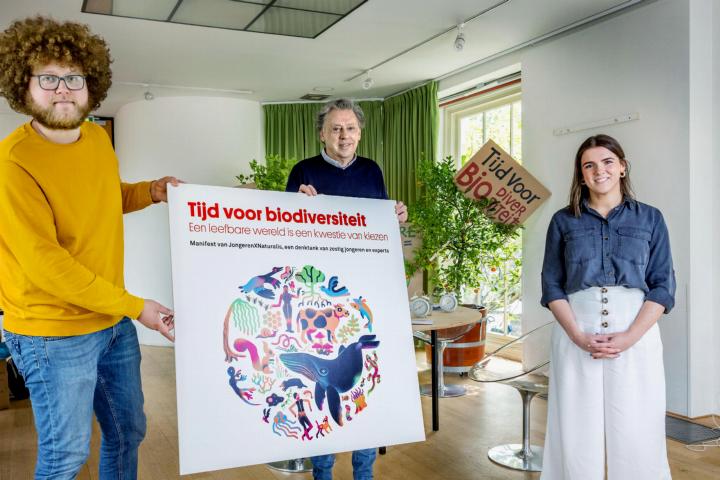
The project brought together a diverse group of young people who shared a common concern: the future of the planet. Over a series of workshops and collaborative sessions, these young advocates worked closely with Naturalis staff to create a manifesto addressing biodiversity and environmental concerns. The manifesto was not just a symbolic document—it became the foundation for meaningful action.
Compare Reykjavík Art Museum’s work with teenagers on climate change.
From Words to Action: Engaging Politicians
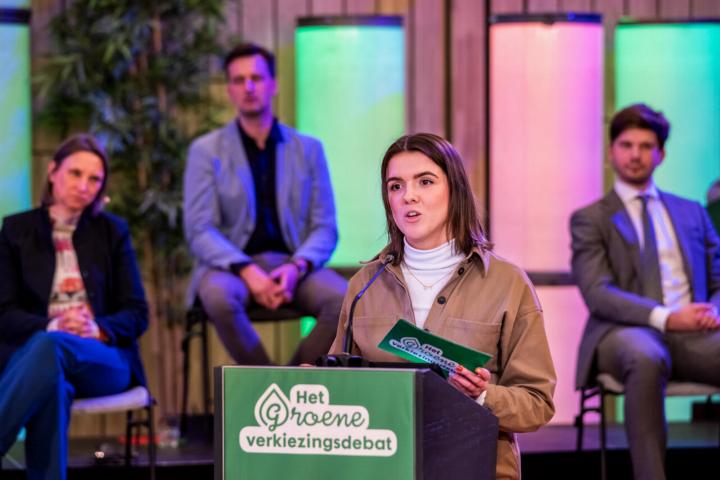
One of the most impactful aspects of JongerenXNaturalis was the opportunity for participants to engage directly with policymakers. The manifesto became a focal point for a series of debates with politicians and stakeholders. These discussions were not about grandstanding or empty promises—they were about accountability, clarity, and actionable commitments.
Corine emphasised how critical it was for the museum to facilitate these discussions in a way that was respectful yet firm. The museum acted as both a neutral host and a passionate advocate, ensuring that young people’s concerns were not diluted or dismissed.
The presence of a respected institution like Naturalis added weight to the conversations. Politicians listened not just because young people were speaking, but because the museum provided a credible and authoritative platform for their voices.
Lessons Learned: Authenticity and Alignment
One of the key takeaways from Corine’s presentation was the importance of authenticity. For a museum to successfully engage in social issues, its actions must align with its core mission and values. Naturalis, with its deep roots in biodiversity research and conservation, was uniquely positioned to speak on these topics with authority.
However, Corine also acknowledged the challenges. Taking a public stance on social issues can be met with resistance, both internally and externally. Museums must navigate complex dynamics—balancing scientific integrity, public opinion, and political sensitivities.
At the heart of Naturalis’ success is a commitment to transparency and collaboration. The museum did not position itself as a lone voice in the debate but rather as a facilitator, empowering young people to lead the conversation.
Practical Steps for Other Museums
Corine’s presentation provided valuable insights for other museums looking to adopt a similar approach. Some key recommendations included:
- Start with Your Strengths: Museums should focus on social issues that align with their expertise and collections.
- Collaborate with Stakeholders: Partnerships with schools, youth organisations, and policymakers can amplify impact.
- Empower Your Audience: Whether it’s young people, community groups, or visitors, museums can act as platforms for their voices.
- Stay Authentic: Engagement must feel genuine and rooted in the museum’s mission.
- Be Prepared for Challenges: Advocacy is rarely without friction, and institutions must be ready to navigate resistance.
For further practical ideas, explore supporting young climate campaigners.
Connecting advocacy to the museum’s mission
The manifesto gave JongerenXNaturalis a bridge between collaborative workshops and public discussion. Young people worked with museum expertise before taking their concerns into conversations with politicians, giving the project a sequence that other institutions can examine. The most relevant starting point is the connection to Naturalis’s own biodiversity research: the museum could offer subject knowledge as well as a platform. The account describes those opportunities for dialogue, but does not establish which political commitments or policy changes followed.
–
This article is based on the presentation, "A Liveable World is a Matter of Choice – How Does a Museum Fulfill its Social Role?", by Corine van Impelen, Head of Communication at Naturalis Biodiversity Center at the Green Museums Summit 2022 organised by MuseumNext.


About the author – Manuel Charr
Manuel Charr is a journalist working in the arts and cultural sectors. With a background in marketing, Manuel is drawn to arts organizations which are prepared to try inventive ways to reach new audiences.


