Fresh ideas from museums around the globe in your inbox each week

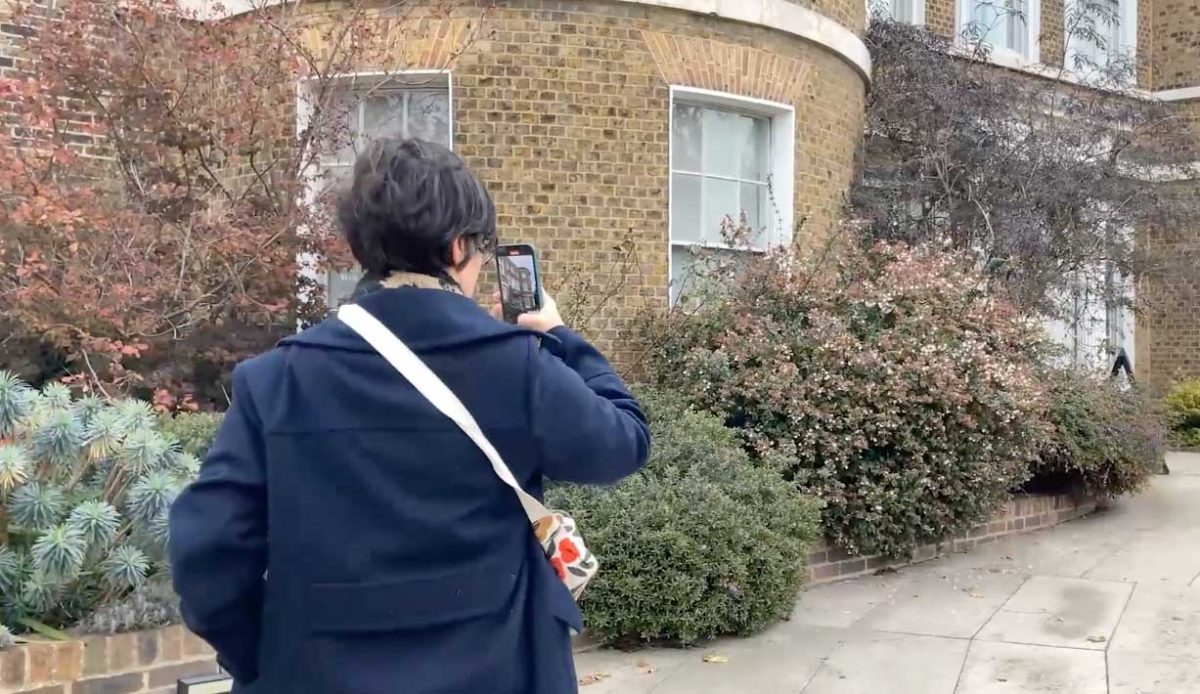
What if the most powerful voice for your museum wasn’t a celebrity, but a local parent sharing their weekend visit on Instagram? Micro-influencers have quietly reshaped the marketing world by turning personal experiences into trusted recommendations. Vyki Sparkes, founder of the award-winning blog Museum Mum, shared her decade of experience in this space during a recent MuseumNext presentation. Her talk offered practical strategies for cultural organizations to build impactful influencer partnerships.
Authenticity Beats Fame
Micro-influencers—those with 10,000 to 100,000 followers—thrive because of their relatability. Unlike celebrities or mega-influencers, they balance their online presence with everyday life, making them appear authentic and approachable. “Micro-influencers are powerful because they are seen as ‘people like us,’” Sparkes explained. “They build trust and a sense of connection with their audience.”
This “pseudo-intimacy,” as researchers call it, makes audiences feel like they know influencers personally. Their recommendations carry the same weight as advice from a friend. For cultural brands, this authenticity opens the door to new and niche audiences, often at a fraction of the cost of larger campaigns.
Beyond Likes: Measuring True Impact
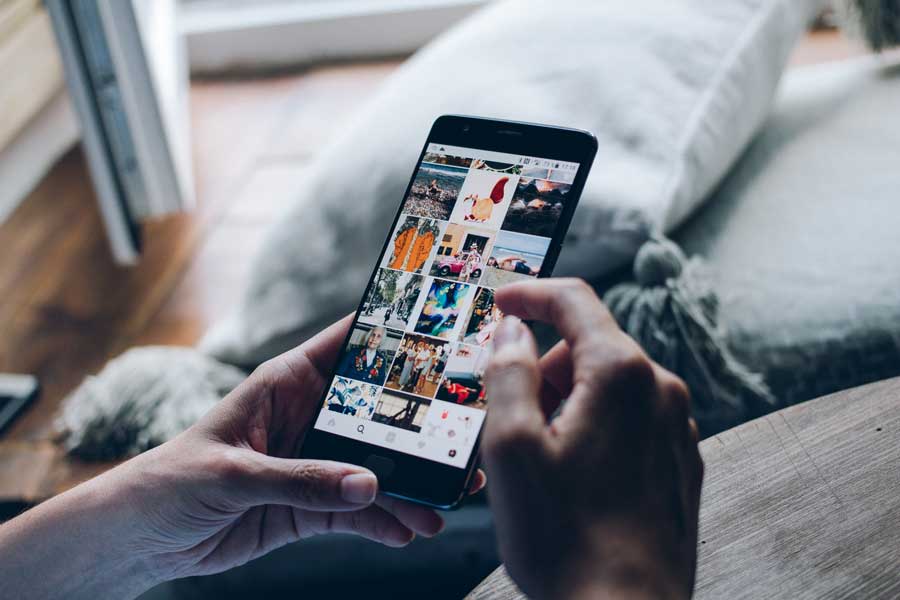
While many brands fixate on metrics like engagement rates, Sparkes warned that these can be misleading. “Engagement can be bought, but impact cannot be faked,” she said. Tactics like purchasing followers, paying for likes, or joining engagement pods can inflate numbers but don’t reflect meaningful audience engagement.
Sparkes urged cultural organizations to focus on what they truly want to achieve. “Ask yourself: What do you want to happen? Is it action, like people showing up in person or buying something? Is it reframing your brand to reach new audiences or challenge perceptions?”
Real success comes from tracking outcomes such as promo code redemptions, UTM link clicks, or even changes in audience demographics. “Reach and engagement can be bought,” Sparkes reiterated, “but impact cannot be faked.”
Finding the Right Influencer
Choosing the right influencer takes thoughtful consideration. Sparkes recommended starting by asking your target audience who they already follow. Reviewing your museum’s social media tags and mentions might also reveal influencers already engaged with your brand.
“Look for experts in their niche, as their authority lends weight to their recommendations,” she advised. It’s also important to think broadly. “This is a chance to reach diverse audiences by mixing up channels and voices.”
When evaluating potential collaborators, Sparkes suggested checking whether their content is visually appealing, engaging, and relevant to your target demographic. “Look for signs of fake followers—spammy names, sudden follower spikes—and assess whether their audience interacts meaningfully in the comments,” she added.
Building Genuine Partnerships
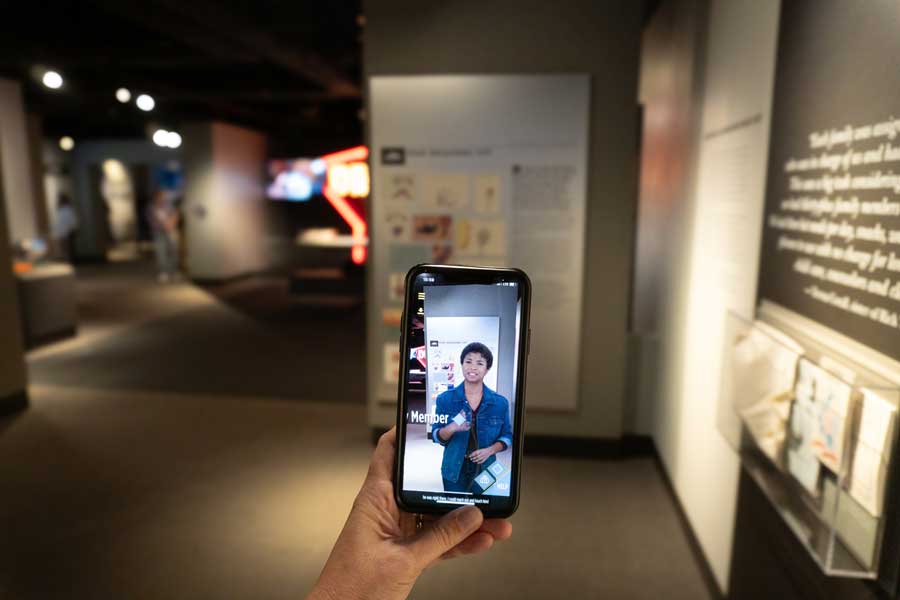
Reaching out to influencers should be strategic and personal. “Engage with their content early to put yourself on their radar,” Sparkes recommended. This might include liking, commenting, or sharing their posts.
When making contact, use their first name and keep your message relevant. “Send a personal, relevant message…include a quick pitch,” she advised. If the project is complex, request their email to share more details. Sparkes acknowledged that low response rates are common but encouraged persistence.
Paying for Influence—Fairly
While some influencers may accept unpaid collaborations if the experience is compelling enough, Sparkes stressed the importance of fair compensation. “For unpaid collaborations, don’t demand guaranteed outcomes—make the experience appealing so they naturally want to share.”
For paid partnerships, she recommended setting clear expectations with a detailed brief covering deliverables, key messages, deadlines, and payment terms. She also suggested using templates like the ISBA influencer contract for a professional approach.
Boosting influencer-created content is another underutilized tactic. “If content resonates, consider paying to whitelist or boost it to reach more audiences,” she advised. Affiliate programs can also be valuable, allowing influencers to earn commissions while driving measurable results.
Rethink Your Influencer Strategy
By selecting the right influencers, setting clear expectations, and fostering long-term partnerships, cultural brands can build campaigns that inspire action rather than chasing vanity metrics. “Impact cannot be faked,” Sparkes reminded her audience. “It’s about building genuine relationships that drive real-world results.”
–
This article is based on the presentation, “A micro-influencer’s guide to cultivating successful cultural collaborations”, by Vyki Sparkes at the Museum Marketing Summit 2024 organised by MuseumNext.