Fresh ideas from museums around the globe in your inbox each week

April 09 2023
 By Manuel Charr
Loading the Elevenlabs Text to Speech AudioNative Player…
Meetup SNG began at the Slovak National Gallery in 2017 as a course for 13–16-year-olds to spend time with peers, explore art and express their own ideas.
The gallery’s educators described how Meetup SNG developed through adjustments to the format and collaboration with contemporary Slovak artists.
Since launching in 2017, this programme for 13–16-year-olds has built a loyal following. Participants return week after week. Some bring their friends. The sessions don’t revolve around polished final pieces or rigid learning outcomes. Instead, they offer space: to explore, to experiment, and, crucially, to belong.
Cracking the Code of Teen Engagement
The programme began with a simple aim: to make the gallery a place where teenagers could spend meaningful time with peers and with art. But the gallery educators behind Meetup SNG, quickly realised that the real task was more complex: designing a space that worked not for, but with, this age group.
The team’s account highlighted recruitment through former participants and their friends. This was their reported experience with Meetup SNG, rather than a comparison showing that one approach will outperform every marketing campaign.
The takeaway? If you want to reach teenagers, don’t start by broadcasting. Start by building trust.
Low Pressure, High Return
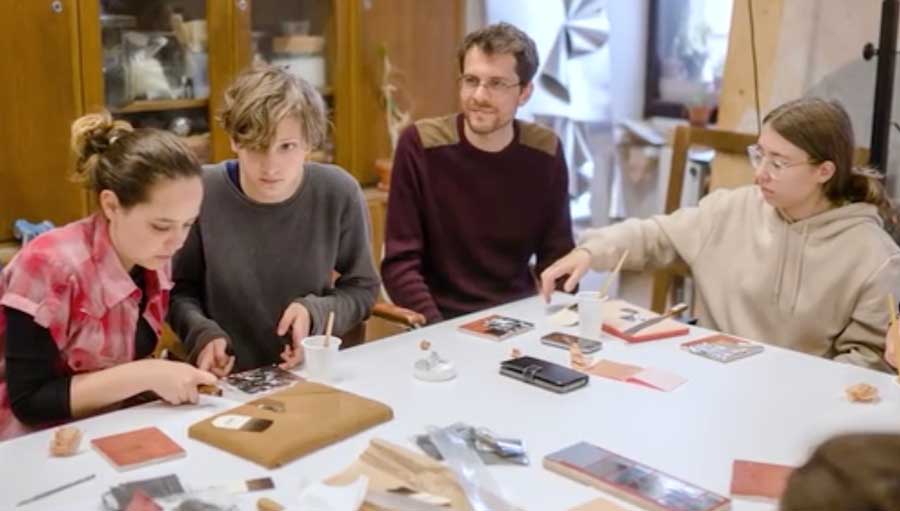
Each Meetup session runs for two hours on a Wednesday afternoon, with around 15 meetings in a series. The programme is intentionally small—typically 10 to 12 participants. That scale is deliberate: big enough for group energy, small enough for personal attention.
There’s no portfolio requirement, no technical threshold. The focus isn’t on artistic output. It’s on the process. Some sessions end in finished work; others don’t. And that’s fine.
What this creates is a low-stakes environment with high developmental return. Participants are free to experiment without the pressure to perform. It’s a format that feels radically different from school—and that’s part of its power.
The Artist as Catalyst
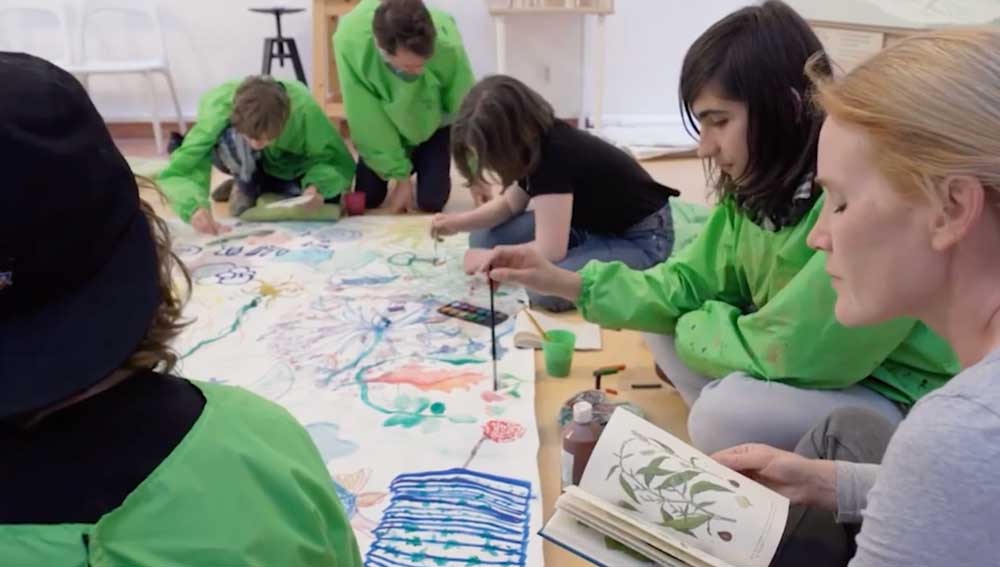
A defining feature of Meetup SNG is the involvement of young Slovak artists, designers, and creatives. They’re not just guest speakers. They help shape each session, working closely with museum educators to co-create workshops around a theme.
Some artists visit once. Others return multiple times, particularly when projects are layered or complex. The artists bring in not only their techniques, but their thinking—how they solve problems, interpret the world, and stay curious. This access to real working creatives offers participants an invaluable glimpse into the “why” behind the work.
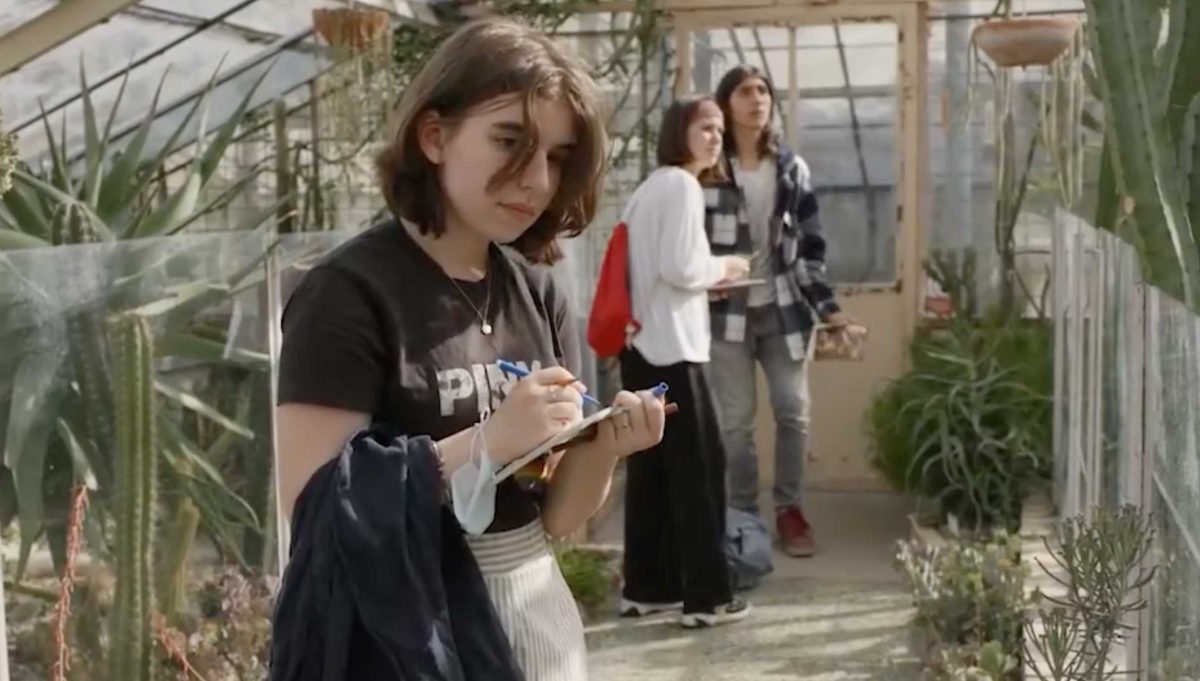
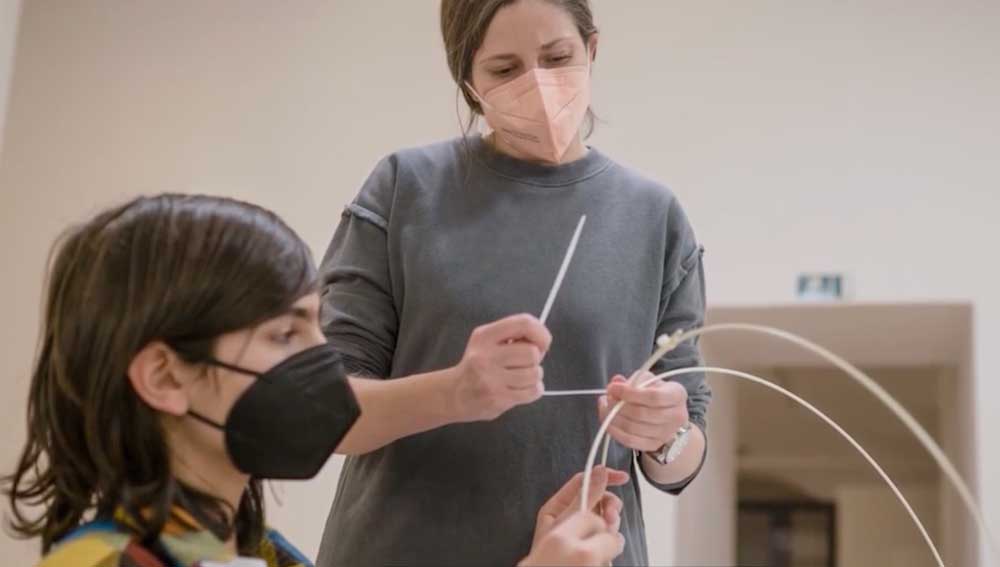
One week, a painter explores plants in a botanical garden. Another, an architect leads a session on space and fabric. A physicist brings sugar into the studio to illustrate change and form. The lesson? Art doesn’t have to be separated from science, ecology, or social questions. In fact, it’s richer when it isn’t.
Art as a Launchpad for Big Questions
While every session connects back to art, the content often reaches far beyond the canvas. Participants explore issues like biodiversity, authorship, restoration, and spatial design—not in isolation, but as part of a broader exploration of the world.
This cross-disciplinary approach gives participants different starting points for questions, discussion and creative work. Art becomes the vehicle for discussion, not the end point. One session might begin with drawing and end in debate. Another may look at the ethics of copying, or the politics of public space.
The emphasis is on critical thinking, collaboration, and conversation. And perhaps most importantly, on making space for silence, uncertainty, and open-ended exploration.
Creating a Third Space
The atmosphere is another crucial ingredient. Each session is carefully designed to feel safe, welcoming, and informal. Tea is offered. Music plays in the background. There’s time to linger if a piece isn’t finished. Nobody is forced to speak. But everyone is invited to contribute.
These seemingly small touches form the emotional infrastructure of the programme. They help establish a third space—neither home nor school—where teenagers can feel free to be themselves, explore ideas, and build confidence in their own voices.
This kind of space is increasingly rare in their lives—and they know it.
What Museums Can Learn from Meetup SNG
The real success of Meetup SNG lies not just in what it offers, but in how it listens. Museum educators regularly gather feedback and adapt sessions based on what participants need, want, or respond to. The programme evolves because it’s built on responsiveness, not prescription.
And that responsiveness pays off. Participants report feeling inspired, challenged, and supported. They come away not just with skills, but with a sense of belonging—and a new way of seeing both art and themselves.
The artist’s contribution is part of the programme design, not just a guest appearance. Workshops can let participants encounter how someone develops an idea, responds to materials and works through uncertainty. The gallery’s experience suggests starting with what young people want to explore and leaving room for the format to change as the group develops.
Musea Brugge’s youth programmes show different ways to share responsibility through creative projects and institutional feedback.
–
Miroslava Mišová and Peter Pivoda from Slovak National Gallery spoke at the Creative Museums Summit 2023.


About the author – Manuel Charr
Manuel Charr is a journalist working in the arts and cultural sectors. With a background in marketing, Manuel is drawn to arts organizations which are prepared to try inventive ways to reach new audiences.