Fresh ideas from museums around the globe in your inbox each week

July 13 2024
 By Jim Richardson
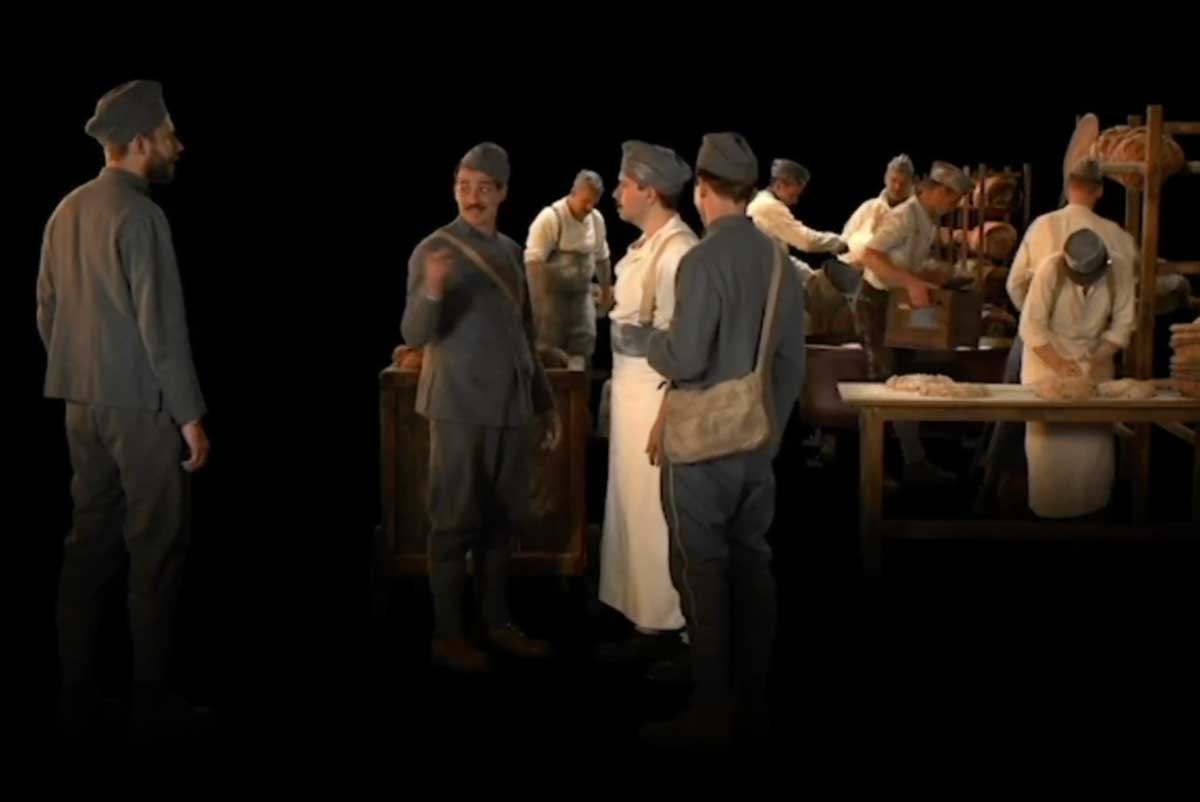
The Underground Citadel of Verdun, a pivotal site from the First World War, has been reimagined as an immersive visitor experience through cutting-edge Augmented Reality (AR) and multimedia technology. This innovative project offers museum professionals a wealth of lessons on using technology to engage audiences, overcome interpretative challenges, and create memorable experiences.
At the Museum XR Summit, François Roirand from Mazedia who developed the multimedia experience for the historic site shared the story behind the project.
Breathing New Life into Historic Spaces
The Citadel of Verdun once housed up to 2,000 soldiers during the brutal Battle of Verdun, a year-long conflict that claimed 300,000 lives. With its empty galleries and haunting history, the site posed a challenge: how could it convey the realities of wartime life to modern visitors?
To meet this challenge, the team behind the project, Mazedia developed a multimedia experience that integrates AR glasses, video projections, soundscapes, and even scents. This approach transformed the empty spaces into immersive narratives, making history tangible and emotionally impactful.
Visitors experience the route in wire-guided cars. Wearing AR glasses, they encounter the history of the Citadel and the lives of the soldiers stationed here through digital imagery, projections and special effects.
“It is 13th September 1916, and day is breaking over the Citadel of Verdun, a grey dawn with rain showers. A small group of tired poilus, coming from Fleury, are making their way towards Verdun. Louis, Camille, Emile and Jean have been ordered to leave the front line and descend to the Citadel, to take part in a ceremony about which they know nothing…”
Four men, four different destinies, four impressions of the war to describe, through their eyes and their emotions, the story of a conflict which will long haunt our collective memory…
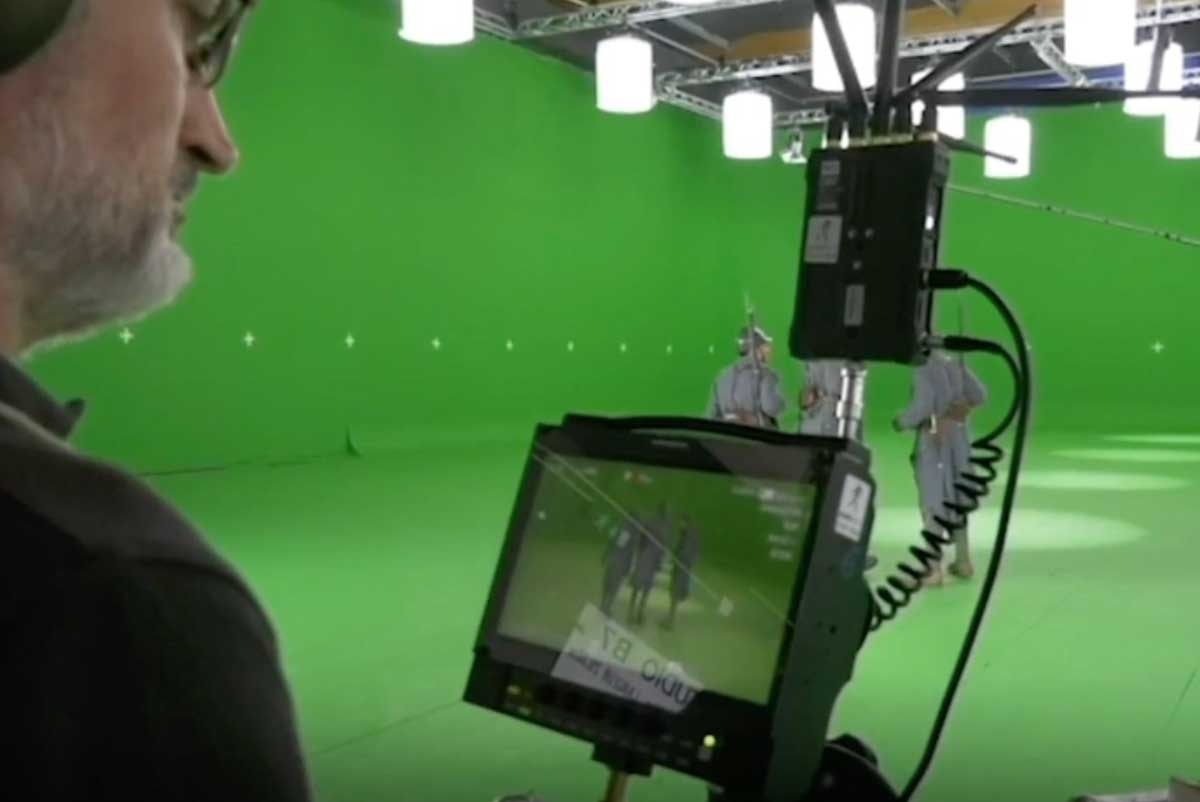
Test the route before installation
For museums interested in adopting similar technologies, this project serves as an excellent case study. Here are the key steps that brought this ambitious vision to life:
- Plan and Collaborate: The project required interdisciplinary collaboration between architects, historians, and technologists. Partnering with Anker Architect for the interpretation centre and using in-house software for 3D simulations ensured the creative and technical visions aligned.
- Test and Iterate: The team employed a rigorous iterative process, using 3D simulations to pre-test AR elements and ensure seamless integration into the physical space.
- Focus on Accessibility: A specialised vehicle for visitors with mobility challenges, audio descriptions, subtitles, and a Virtual Reality (VR) hub provided alternative ways to experience the site.
- Create a Robust Operational System: An administrative interface allowed staff to monitor AR glasses, ensure functionality, and manage visitor experiences in real-time. This emphasis on operational reliability guaranteed consistency.
What Did Success Look Like?
This six-year project has transformed the visitor experience at the Citadel. Through AR glasses, visitors see actors in historical costumes, filmed against green screens, brought to life within the galleries. The 26-scene tour, lasting 45 minutes, includes video projections, soundscapes, and smells like coffee in the refectory to deepen the sensory immersion.
The results? Visitors are not just informed but emotionally engaged, gaining a profound understanding of the soldiers’ experiences.
Budget and Funding: What Museums Should Know
The presentation did not disclose the project’s exact budget or funding mix. Museums planning comparable work should budget for development, testing and ongoing operations.
Monitor equipment and provide alternative access
For museums embarking on AR projects, the Citadel’s experience highlights the importance of anticipating challenges:
- Technical Readiness: The team developed bespoke software to simulate AR environments and test hardware.
- Site Limitations: The underground location presented logistical difficulties, but iterative testing ensured that projections and AR elements worked seamlessly.
- Visitor Management: Real-time monitoring systems allowed staff to troubleshoot issues immediately, enhancing the visitor experience.
Practical Advice for Museums
For museum professionals considering similar projects, François Roirand emphasised the importance of creating a structured development process. Start small, involve interdisciplinary teams, and focus on creating a visitor-centred experience.
Here’s a quick checklist for getting started:
- Identify the story you want to tell and assess how technology can enhance it.
- Collaborate with experts in AR and immersive media to explore feasible solutions.
- Budget for development, testing, and operational maintenance.
- Prioritise accessibility from the outset to reach a wider audience.
- Test technologies thoroughly in your space before going live.
Conclusion: Reimagining the Role of Technology in Museums
François Roirand’s account of Verdun connects immersive interpretation with the work needed to operate it. The route combines recorded performers, projection, sound and scent across 26 scenes, while simulations helped the team test digital elements against the physical site. Staff can monitor equipment through an administrative interface, and the article describes accessible vehicles and alternative interpretation. For heritage teams, these details belong together: a compelling route needs a testing process, a daily support system and ways for visitors to participate when the main format does not suit them.
For a related case study, see operating mixed reality at Hangar Y.


About the author – Jim Richardson
Jim Richardson is the founder of MuseumNext. He has worked with the museum sector on digital and innovation projects for almost thirty years and now spends his time championing best practice through MuseumNext.




