Fresh ideas from museums around the globe in your inbox each week

The Minneapolis Institute of Art (Mia) team reported that its special-exhibition mobile guide reached more than a third of visitors after a year of iteration. The practical changes were modest but connected: shorter audio, visible instructions, handouts and staff who could explain the offer. Treat that as a result from this programme and audience, rather than a benchmark every museum guide should be expected to match.
During their Museum Digital Summit 2023 presentation, Mia’s Gretchen Halverson (Manager of Digital Engagement and Access) and Anna Dilliard (Adult Programme Specialist) shared the story behind the guide’s success, alongside Rosalind Stobart from CultureConnect, the platform provider.
A Mobile Guide for Modern Audiences
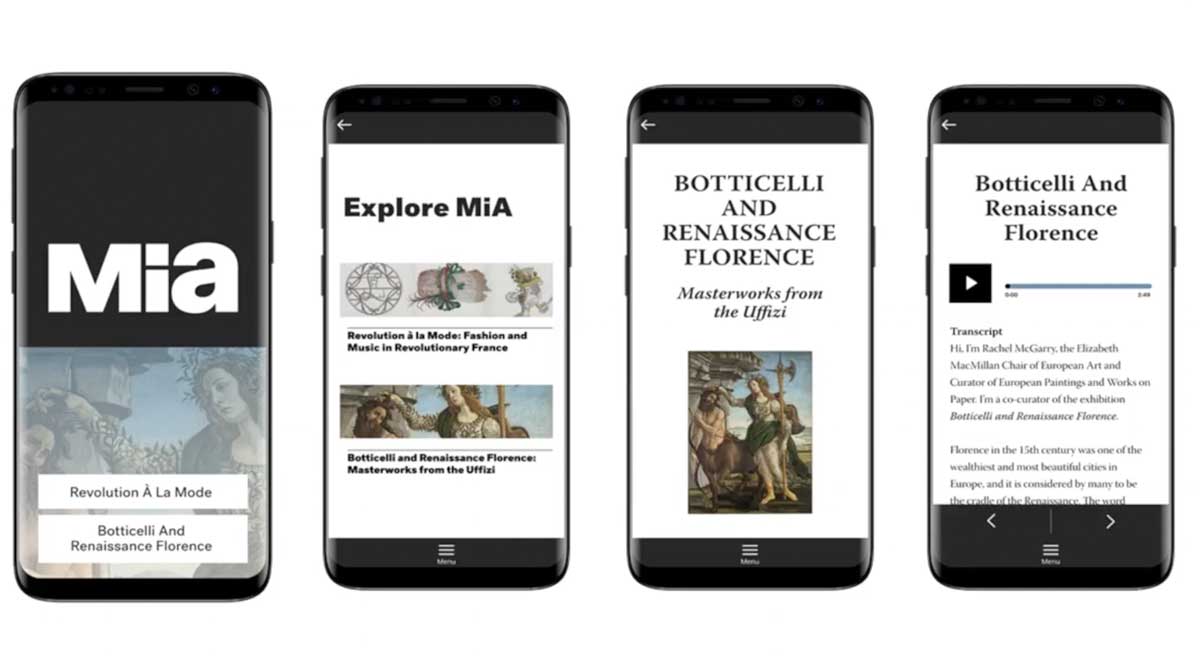
Recognising the growing reliance on smartphones, Mia adopted a ‘bring-your-own-device’ approach. This model allowed visitors to access the guide directly from their web browser—no app downloads required.
The mobile guide offered:
- Curator-led audio tours with detailed insights into artworks
- Musical experiences, such as Baroque harpsichord recordings paired with original engraved scores
- Cultural connections, like a specially curated Beyoncé playlist linking Renaissance themes to modern pop culture
The format offered different routes into the exhibition, from curator commentary to musical connections. The concept alone does not establish who used it or whether attendance became younger or more diverse.
Key Insights for Museums
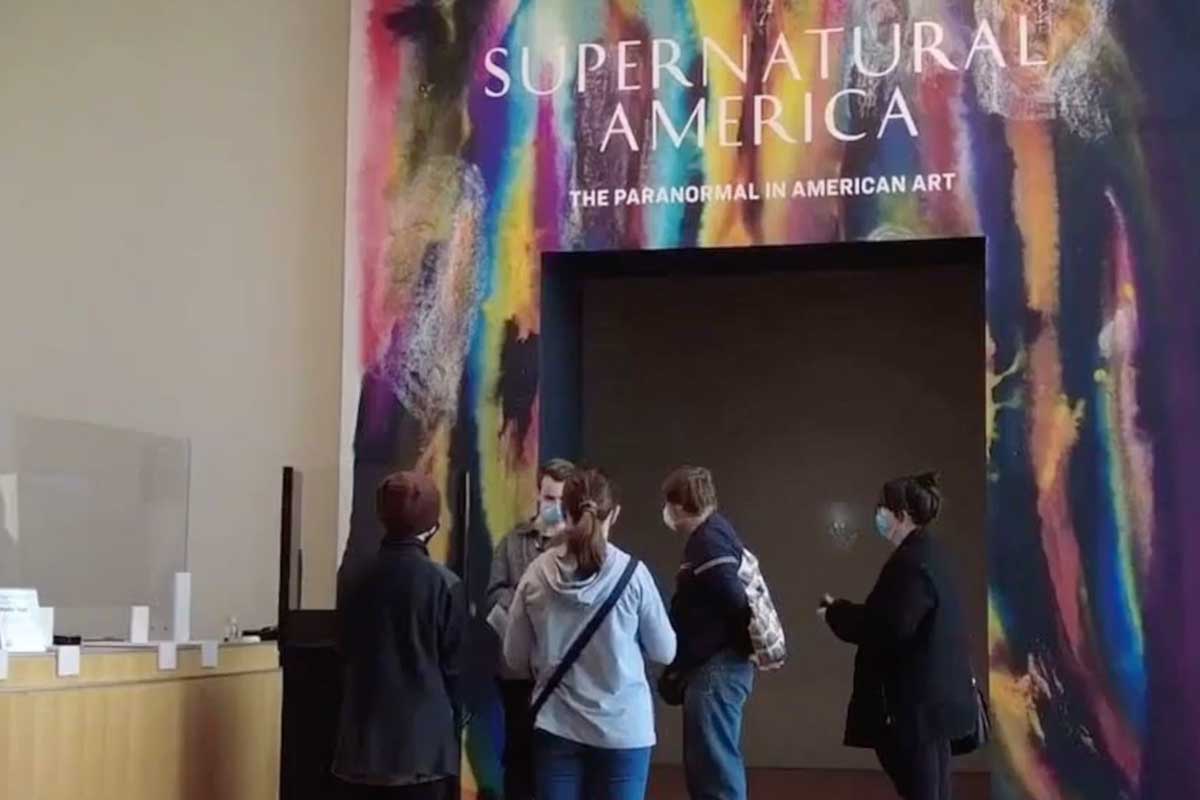
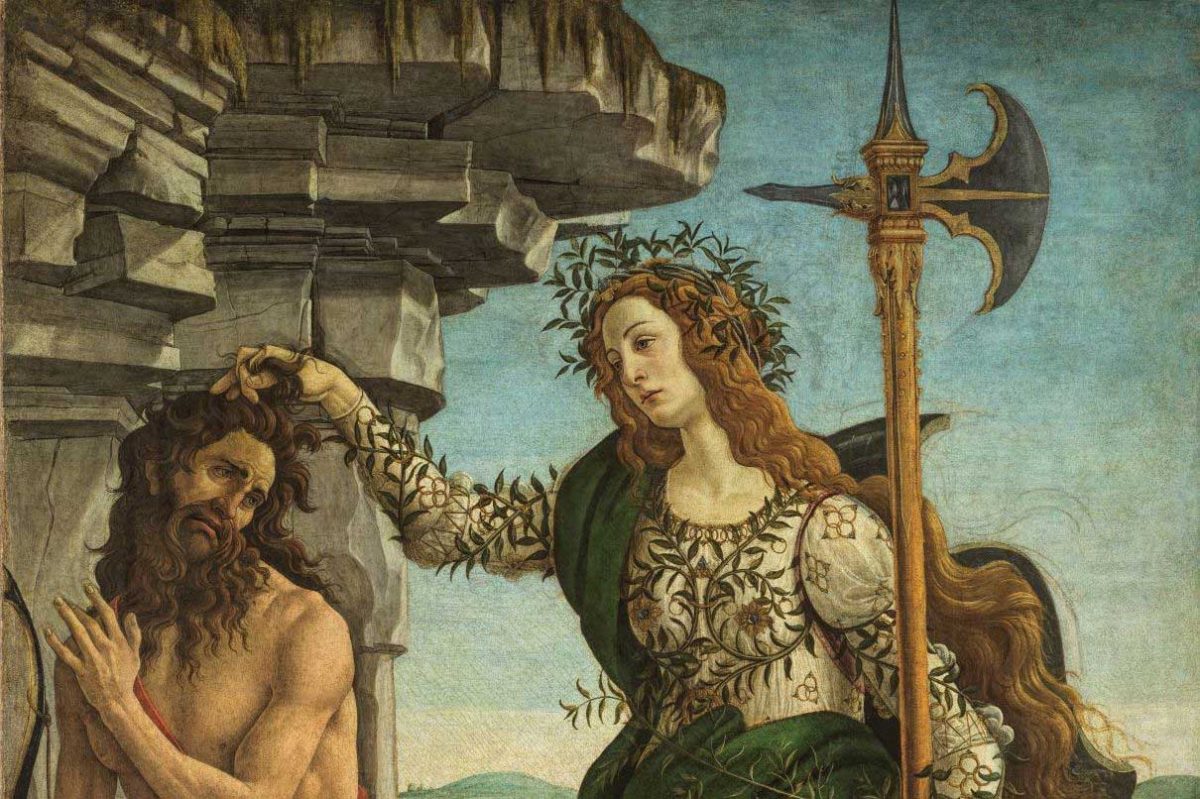
Mia’s success didn’t happen overnight. Through three major exhibitions—Supernatural America, Revolution à la Mode, and Botticelli and Renaissance Florence—the team continuously refined their approach. Here’s what they learned:
1. Keep Content Concise
The team’s first guide, for Supernatural America, featured stops averaging seven minutes. By Botticelli and Renaissance Florence, they had shortened stops to just over two minutes. This was a choice developed through this programme, rather than a universal optimal duration.
Test length and pacing with the intended audience, then use feedback and guide-use data to refine the stops.
2. Make Access Effortless
A great tool means little if visitors struggle to find or use it. Mia prioritised clear and consistent communication, including:
- Prominent signage with easy-to-scan QR codes
- Step-by-step handouts distributed at the entrance
- Staff training to ensure front-line teams could assist visitors and champion the tool
Tip for Museums: Make instructions visible, intuitive, and repeat them at multiple points in the visitor journey.
Placing and explaining museum QR codes is part of making a mobile experience discoverable.
3. Innovate to Attract New Audiences
To broaden appeal, Mia introduced creative content that bridged classical themes with modern culture. The standout example? Botticelli and Beyoncé, a supplemental tour that paired Renaissance art with Beyoncé’s Renaissance album. Each artwork connected to a lyric, linking historical art to contemporary music via Spotify and Apple Music playlists.
The playlist offered a contemporary point of connection with the exhibition; demographic impact would require separate audience evidence.
Tip for Museums: Don’t shy away from creative connections—modern cultural references can make traditional collections more relatable.
Getty Villa’s character-led audio tour offers another example of giving visitors a distinct reason to choose audio.
Reported special-exhibition guide take-up
The 2023 presentation reported more than 33% reach for the special-exhibition guide after its early-2022 launch. This article’s account of Botticelli and Renaissance Florence also reported:
- 33% of exhibition visitors used the mobile guide, with over 27,000 users reported
- Average listening time was reported as 13 minutes
The precise definitions of “users” and “listening time” are not specified in this account. Keep those figures as presentation-reported measures rather than treating them as interchangeable with sessions, active listening or learning outcomes.
Takeaways for Museum Professionals
Mia’s approach provides a clear roadmap for museums looking to enhance their exhibitions with digital tools:
- Plan access: A web-based guide can reduce download friction; it still needs access testing and support for visitors who cannot use their own device.
- Refine content: Keep multimedia experiences concise, relevant, and easy to navigate.
- Invest in visibility: Use clear signage, distribute printed instructions, and train staff to support visitors.
- Think outside the box: Leverage contemporary culture or innovative formats to engage new audiences.
Mia’s reported take-up shows what the team achieved through this special-exhibition programme. It offers a case to learn from, rather than a benchmark for every museum guide.
–
This article is based on the presentation “How Mia gets 33% of visitors to their app with help from Beyonce” by Gretchen Halverson, Anna Dilliard and Rosalind Stobart at the Museum Digital Summit 2023, organised by MuseumNext.